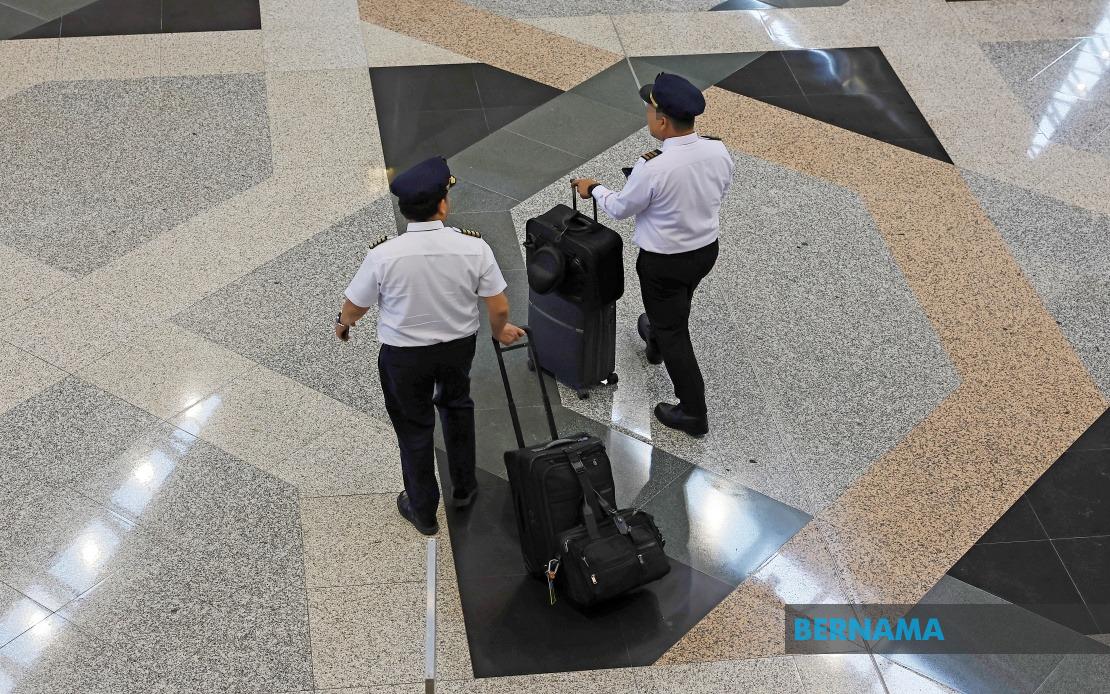
Tan Sri Lee Lam Thye, chairman of the Alliance For A Safe Community, has demanded that authorities conduct a thorough examination of security screening protocols at Kuala Lumpur International Airport following the apprehension of a Malaysian pilot at Jakarta's Soekarno-Hatta International Airport. The 39-year-old pilot was detained at Terminal 3 after Indonesian officials alleged he attempted to transport 25 kilogrammes of narcotics, sparking fresh concerns about the effectiveness of Malaysia's aviation security infrastructure and the adequacy of screening measures for flight personnel.
While acknowledging that the pilot must be presumed innocent pending legal proceedings, Lee highlighted that the incident exposes potentially significant vulnerabilities within existing security frameworks. His intervention underscores a growing anxiety within Malaysia's civil society regarding whether current protocols are sufficiently robust to detect contraband and whether certain categories of airport staff may inadvertently benefit from less stringent oversight. The case has triggered uncomfortable questions about whether the presumed familiarity and trust afforded to aviation personnel might inadvertently create blind spots in the security architecture.
Lee's central concern revolves around how contraband allegedly managed to escape detection during routine security screening at KLIA before the pilot's departure. The question of whether standard scanning equipment, X-ray systems, and physical inspections functioned optimally, or whether procedural lapses allowed the suspected narcotics to pass through undetected, has become a focal point of public scrutiny. These questions carry particular weight given Malaysia's reputation as a global aviation hub and the critical importance of maintaining international confidence in the country's security standards.
The Alliance For A Safe Community chairman has specifically called upon enforcement agencies—including airport security operators, police authorities, and the Civil Aviation Authority of Malaysia—to undertake a systematic evaluation of current screening procedures with particular attention to personnel working within airport environments. Lee emphasised that flight crew and airport staff should face identical security protocols as regular passengers, with no occupational exemptions that might compromise the integrity of screening procedures. This inclusive approach reflects international best practice, where human psychology and the potential for insider threats represent recognised vulnerabilities in any security ecosystem.
Lee stressed that maintaining public confidence in Malaysia's aviation security apparatus is not merely an administrative concern but a matter of national interest and international standing. The confidence that both domestic and international travellers place in Malaysian airports directly influences passenger preferences, airline operations, and the country's competitiveness as a regional aviation centre. Any perception that security measures are inconsistently applied or that certain individuals receive preferential treatment threatens this vital confidence.
The incident also carries implications for Malaysia's broader law enforcement strategy. The detection of large quantities of narcotics at Jakarta's airport suggests that organised trafficking networks may be actively utilising Malaysian aviation as a transit route, with potential links to international drug syndicates. This development necessitates enhanced intelligence-sharing between Malaysian and Indonesian authorities and a comprehensive reassessment of how airport security integrates with broader anti-narcotics operations and border security frameworks.
From a regional perspective, the case underscores vulnerabilities within Southeast Asia's aviation security infrastructure. Airlines operating across the region face pressure to maintain efficient operations while meeting escalating security standards. Malaysia, as a major regional aviation hub hosting airlines from across the world, must ensure that its security protocols meet or exceed international standards established by bodies such as the International Civil Aviation Organization. Any lapses could affect Malaysia's security ratings and influence how international aviation partners assess operational risks.
Lee's call for systematic review also reflects broader governance principles regarding accountability and institutional transparency. Security agencies must be prepared to examine their procedures openly and implement corrective measures when weaknesses are identified. This approach builds organisational resilience and demonstrates to stakeholders that systems are subject to continuous improvement rather than remaining static or resistant to scrutiny. Such transparency, when balanced with legitimate operational security considerations, strengthens rather than weakens security outcomes.
The timing of this intervention matters significantly within Malaysia's current security environment. The country has faced previous incidents involving contraband trafficking through aviation channels, and the cumulative effect of such cases shapes public perception of whether authorities have genuinely learned from past lapses. Each incident that reaches public attention becomes a test of institutional responsiveness and the seriousness with which authorities treat security breaches.
Moving forward, the outcome of investigations into both the pilot's alleged activities and the airport's security procedures will provide crucial insights into systemic deficiencies. Authorities will need to determine whether the incident reflects isolated human failure, procedural inadequacy, or systemic gaps that require substantial remediation. The findings will likely influence policy decisions regarding security staffing levels, technology investment, training protocols, and the frequency of security audits conducted at Malaysian airports.
The Alliance For A Safe Community's intervention demonstrates how civil society organisations serve important watchdog functions in democratic systems, maintaining pressure on authorities to prioritise public safety and institutional integrity. Lee's statements reflect legitimate public interest in understanding whether systems designed to protect travellers are functioning as intended. The path forward requires balanced examination of security procedures, recognition of competing operational demands, and genuine commitment to addressing any identified weaknesses without undermining aviation efficiency or creating excessive bureaucratic obstacles.

