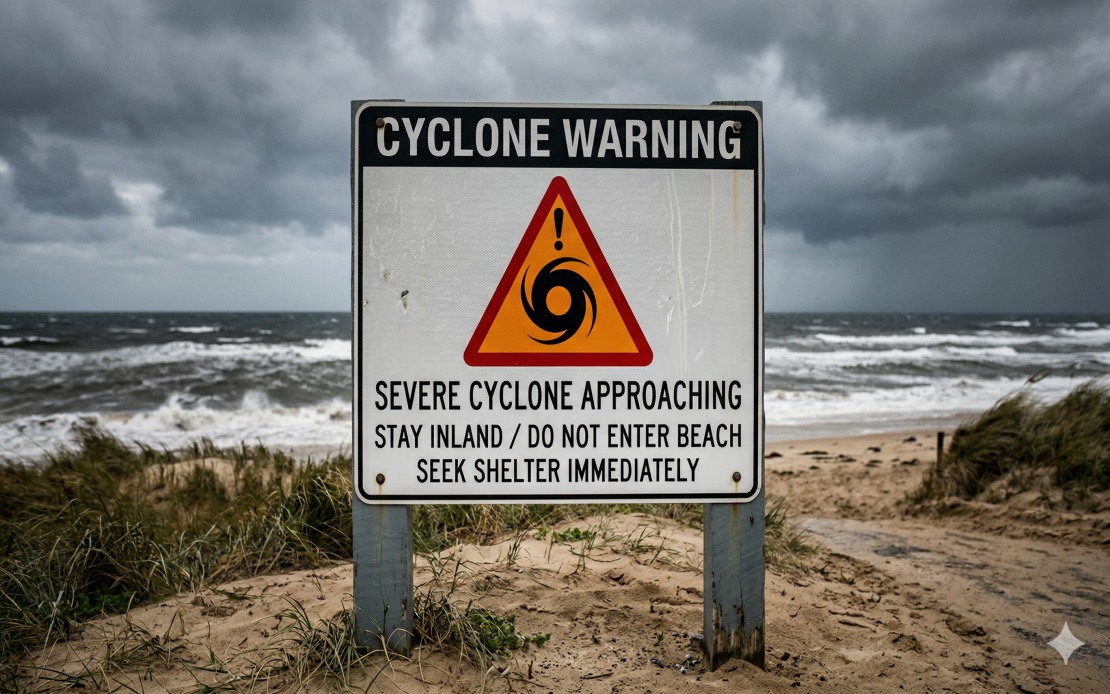
The Baltic nation of Latvia has escalated its emergency preparedness to the maximum level following forecasts of a severe cyclone system moving across the region this weekend. The Latvian Environment, Geology and Meteorology Centre issued a red-level alert on Friday, signalling imminent danger to residents and infrastructure across multiple districts in central Latvia. The warning specifically targets areas encompassing the capital Riga and the city of Jelgava, with the most critical period anticipated between 8 am on Saturday and 1 am on Sunday, though meteorologists cautioned that affected zones may shift as models are refined.
The approaching storm system presents multifaceted hazards that extend well beyond precipitation alone. Authorities have warned that the intense rainfall accompanying the cyclone could trigger widespread inundation across residential properties, transportation networks, agricultural lands, and gardens throughout the alert zone. Officials noted with particular concern that some thoroughfares may become completely impassable, effectively isolating communities and disrupting supply chains. The compounding effect of saturated ground and overwhelmed drainage systems poses additional risks to critical infrastructure, with power distribution networks and water supply systems vulnerable to extended service interruptions.
Beyond the immediate flooding threat, the cyclone's structural winds present a secondary hazard that could exacerbate existing dangers. Falling branches and uprooted trees commonly accompany such weather systems, creating hazards for both people and power lines. Telecommunications infrastructure, increasingly critical for emergency coordination and information dissemination, faces potential disruption that could hamper response efforts precisely when residents most need emergency alerts and guidance.
In response to the escalating threat, Latvia's State Fire and Rescue Service has issued comprehensive guidance urging residents to minimize outdoor activities during the critical period. The service specifically recommends securing any loose objects that could become airborne projectiles, charging personal electronic devices to ensure communication capability during potential outages, and stockpiling essential supplies. These precautionary measures reflect standard protocols for high-impact weather events but underscore the seriousness with which authorities are treating the forecast.
The economic and social implications of such severe weather extend beyond the immediate danger period. Throughout Latvia, event organizers have made the difficult decision to cancel outdoor gatherings and public activities scheduled for the weekend, representing a significant disruption to social life and commercial activity. These cancellations reflect both the genuine hazards posed by the cyclone and the precautionary mindset that has increasingly characterized Baltic European responses to extreme weather.
Lithuania's northern neighbour Estonia faces parallel threats from the same weather system, demonstrating the regional scale of the approaching disturbance. Estonia's environmental authorities have similarly warned of heavy precipitation and powerful gusts across the country. The Estonian electricity distribution company Elektrilevi has specifically flagged the risk that wind-driven tree falls could compromise power infrastructure, potentially leaving significant portions of the population without electricity for extended periods.
The convergence of threats facing Latvia and Estonia reflects the broader vulnerability of Baltic infrastructure to intense weather events. The region's relatively flat terrain and infrastructure density mean that flooding can spread rapidly across wide areas, while the prevalence of extensive forests means that wind damage can cascade through power systems with surprising speed. Climate models suggest such extreme weather events may become more frequent across Northern Europe, raising questions about long-term resilience planning.
For Malaysia and Southeast Asian observers, the Latvian emergency response offers instructive parallels to regional flood management challenges. While tropical and temperate storm systems differ in character, the fundamental challenge of coordinating emergency response, protecting vulnerable populations, and maintaining critical services during extreme weather remains universal. Latvia's emphasis on advance public communication and precautionary infrastructure hardening reflects best practices increasingly relevant to monsoon-dependent economies across Southeast Asia.
The incident also highlights interdependencies within European infrastructure networks. Power system failures in one Baltic state can create cascading effects across regional grids, while disrupted transportation networks impact trade flows extending far beyond national borders. Such regional vulnerability to weather-driven infrastructure collapse presents ongoing policy challenges for Baltic governments and European Union authorities coordinating response frameworks.

