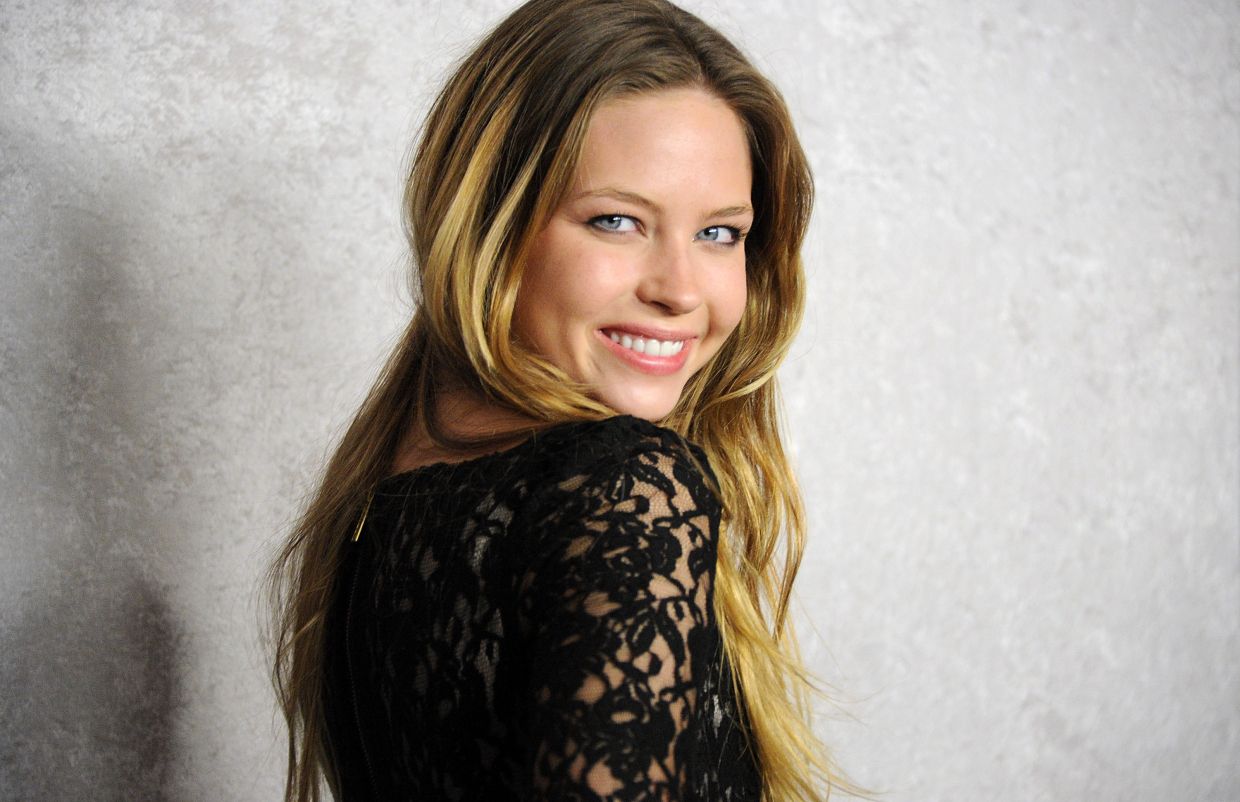
Daveigh Chase, the former child star recognised globally for lending her voice to Lilo in Disney's beloved animated feature, left behind a substantial financial legacy despite spending her final years living without stable housing. The late actress, who died at age 35 in a Los Angeles hospital on June 16, had accumulated assets worth approximately RM1.6 million—a stark contrast to the street poverty that characterised her existence in the months before her death. Her mother, Cathy Chase, has initiated probate proceedings in Los Angeles Superior Court to be named administrator of the estate, filing formal requests with the court system this month.
The probate hearing is set to take place on August 12, during which the court will evaluate the administration application and related matters concerning the distribution of the deceased's assets. As part of the standard legal process for managing estates of this magnitude, Cathy Chase has requested that the court approve a US$400,000 bond—a financial guarantee required in many jurisdictions to ensure the administrator's accountability in handling the estate's funds and property. This bond represents approximately 25 percent of the total estate value and is intended to protect beneficiaries and creditors during the administration process.
Chase's death marked the tragic conclusion of a difficult personal struggle that had unfolded over several years. According to reports from her father, the actress had been residing on the streets in the Los Angeles area immediately before her hospitalisation, living in close proximity to the medical facility where she ultimately passed away. This revelation shocked those who remembered her successful early career in entertainment, highlighting the sharp decline that can occur in the lives of child performers once the spotlight fades.
The Los Angeles County medical examiner determined that acquired immunodeficiency syndrome, commonly known as AIDS, was the primary cause of Chase's death. Mixed drug use was cited as a contributing factor in her passing, indicating the intersection of multiple health crises that had afflicted the actress during her later years. The official findings painted a picture of cumulative physical and social deterioration that had claimed her life at a relatively young age.
Chase's entertainment career had begun with considerable promise and visibility in the late 1990s and early 2000s. The animated film role that defined her public recognition came through the Disney franchise, where her vocal performance as the mischievous protagonist became familiar to millions of children and families worldwide. For a time, she appeared to be positioned for sustained success in the competitive Hollywood landscape, with opportunities for both voice acting and live-action work.
However, the trajectory of her professional life changed dramatically after the mid-2010s. By 2016, Chase had effectively withdrawn from the acting profession, stepping away from the industry altogether and declining further opportunities. That same year marked her final credited film roles, representing a deliberate or circumstantial exit from the entertainment world. The reasons behind this withdrawal have not been comprehensively documented in public discourse, but the timing coincided with what would become an increasingly difficult personal situation.
The following year brought additional legal troubles that further complicated Chase's circumstances. In 2017, she was arrested on suspicion of leaving the scene of an accident and abandoning an injured individual outside a hospital facility. While investigators determined that she was not implicated in causing the man's injuries or death, she was reportedly wanted on an existing outstanding warrant at the time of her apprehension. This incident represented another public acknowledgment of her deteriorating social and legal standing.
The contrast between Chase's substantial accumulated wealth and her homelessness raises important questions about financial management, access to support systems, and the particular vulnerabilities faced by former child actors. Despite possessing RM1.6 million in assets—a sum that could provide comfortable housing and living conditions—the actress found herself without stable shelter in the years preceding her death. This disconnect suggests possible complications involving mental health challenges, substance use disorders, fractured family relationships, or administrative barriers that prevented her from accessing or managing her own resources effectively.
For Malaysian and Southeast Asian audiences, Chase's story reflects broader concerns about the entertainment industry's treatment of child performers and the inadequate social safety nets available to individuals struggling with homelessness and health crises. Her case underscores how rapid fame and loss of relevance can destabilise even those with financial resources, and how systemic failures can prevent vulnerable individuals from accessing the assistance and care they desperately need. The probate process now underway will determine how her remaining assets are distributed, potentially providing some financial resolution for her family even as it highlights the tragic loss of a life that remained largely unassisted during her greatest period of need.

