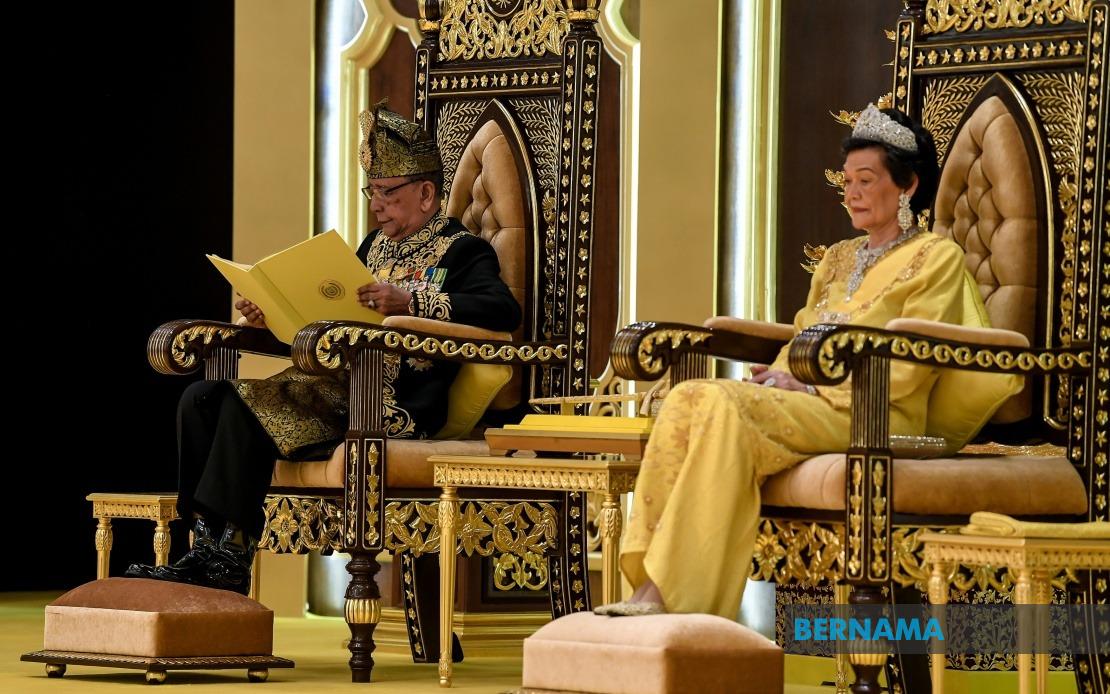
The Sultan of Kedah, Al Aminul Karim Sultan Sallehuddin Sultan Badlishah, has made a forceful case for Langkawi to forge its own developmental trajectory, rejecting the impulse to compete directly with established tourist powerhouses across Southeast Asia. Speaking at an investiture ceremony marking his 84th birthday in Alor Setar on July 5, the Sultan articulated a vision for the island that prioritises authenticity over imitation, positioning Langkawi's natural endowments and cultural heritage as its most compelling competitive advantage rather than its capacity to replicate the model deployed by destinations such as Phuket, Thailand, or Bali, Indonesia.
The remarks carry significant weight given Langkawi's status within Kedah's economy and Malaysia's broader tourism portfolio. The island functions as both a strategic economic asset and a flagship attraction for the northern region, generating substantial revenue through visitor spending and employment while contributing meaningfully to federal tourism targets. However, the Sultan's intervention suggests underlying anxieties about the direction and pace of Langkawi's expansion, particularly the risk that profit-driven development could homogenise what makes the destination genuinely distinctive within the regional marketplace.
Central to the Sultan's message is the assertion that Langkawi possesses intrinsic strengths rooted in its ecological diversity and heritage fabric. Rather than spending heavily to replicate the nightlife, resort infrastructure, and commercialised attractions that define competitors, the Sultan contends that sustainable development anchored in preservation of natural assets and cultural authenticity represents a more durable and defensible long-term strategy. This approach aligns with growing international consumer preferences for experiential and sustainable tourism, particularly among affluent demographics increasingly fatigued by mass-market beach destinations.
The Sultan also delivered a pointed warning to any stakeholder contemplating exploitative practices that could damage Langkawi's reputation and image. This formulation suggests concerns about specific proposed developments, regulatory shortcuts, or public statements that might undermine confidence in the island's governance or environmental stewardship. For Malaysian readers, the signal is unambiguous: the state's royal institution will not countenance development schemes that prioritise short-term extraction of value over long-term sustainability and community welfare.
Beyond tourism philosophy, the Sultan expressed serious frustration with implementation delays affecting critical infrastructure projects, most notably the Sungai Kedah and Anak Bukit flood mitigation plan. This project, which has languished incomplete despite its strategic importance, exemplifies a broader governance challenge in Malaysian development: the gap between announcement and delivery, between planning and execution. The recurring floods that continue to impact residents represent not merely an environmental problem but a failure of state capacity and political accountability.
The timing of the Sultan's comments is noteworthy. As Malaysia seeks to revitalise tourism revenue following pandemic disruptions, pressure mounts to accelerate Langkawi's expansion. State governments and federal agencies may prioritise rapid project completion and visitor volume growth over the measured, sustainability-conscious approach the Sultan advocates. The royal intervention suggests that Kedah's institutional leadership views such pressure as potentially counterproductive, risking damage to long-term competitiveness in pursuit of short-term metrics.
For Malaysia's tourism sector more broadly, the Sultan's position articulates an alternative to the generic beach-resort model that has dominated Southeast Asian tourism development. Rather than competing on amenities, price, or manufactured attractions, Langkawi could differentiate by emphasising ecological integrity, authentic cultural experience, and governance quality. This positioning appeals to conscious consumers and higher-spending demographics increasingly willing to pay premiums for destinations demonstrating genuine commitment to sustainability and community benefit.
The flood mitigation delays the Sultan highlighted point to deeper infrastructure challenges affecting Kedah's development agenda. These projects typically require coordination across multiple agencies, substantial capital investment, and sustained political will. Their incompletion frustrates not only residents facing recurring disasters but also undermines investor confidence in the state's capacity to execute development plans. The Sultan's public emphasis on this gap signals that further delays or excuses will not be tolerated, mobilising royal authority to drive bureaucratic urgency.
The composition of those present at the investiture ceremony—including the Raja Muda and other senior royal family members—reinforces that this represents an institutional position rather than personal commentary. This collective dimension magnifies the statement's political weight and suggests that Kedah's royal household has reached consensus regarding the direction development should take. For state and federal officials, the message carries unmistakable implications for future project approvals and resource allocation.
Looking forward, the Sultan's remarks establish a framework within which Langkawi's development should be evaluated. Proposals must demonstrate consistency with sustainable tourism principles, cultural preservation, and ecological stewardship. They must also show clear benefit distribution to local communities rather than concentrating gains among external investors and operators. This framework challenges conventional development models and raises the threshold for project justification beyond merely projecting visitor numbers and foreign exchange earnings.
The Sultan's emphasis on Langkawi's distinctive identity reflects a maturation in regional tourism thinking. Earlier generations pursued undifferentiated resort development. Contemporary strategy recognises that authentic differentiation—grounded in genuine place character rather than constructed themes—offers more sustainable competitive advantage. Langkawi possesses the geological diversity, biodiversity, and heritage assets to support this positioning if developed with strategic discipline and integrity. The Sultan's intervention signals that Kedah's leadership intends to ensure precisely this outcome, notwithstanding pressure for faster, less discriminating growth.

