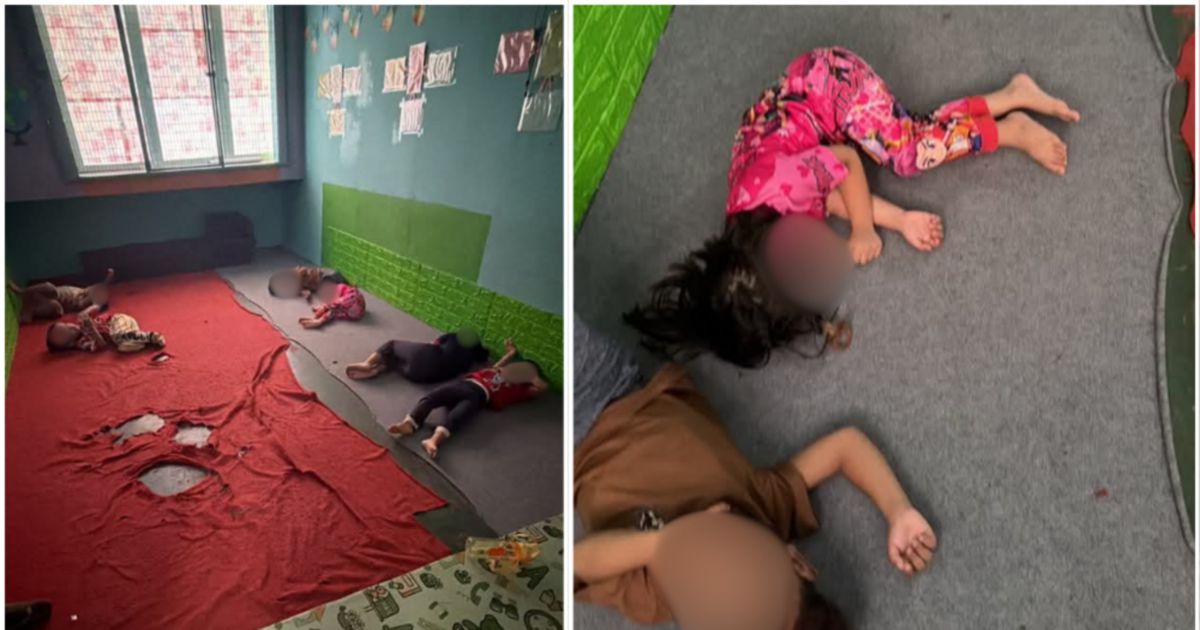
Police have opened a formal investigation into a childcare centre operating in Kuah, Langkawi, after receiving reports detailing severe mistreatment of children under its care. The allegations paint a disturbing picture of institutional abuse, with accusations that operators deliberately withheld food from young children and confined them to toilet facilities as a form of punishment or control. The case represents the kind of breach in child safety that continues to concern parents and child welfare advocates across Malaysia's tourism-dependent states.
The complaint against the Langkawi facility appears to have emerged through parental observations and concerns raised within the community, triggering law enforcement intervention. Such investigations are typically handled with urgency given the vulnerable nature of the victims involved and the potential for ongoing harm if the allegations prove substantiated. The Royal Malaysia Police have confirmed their involvement in examining the circumstances at the centre and gathering evidence related to the alleged incidents.
Institutional child abuse cases bring into sharp focus the broader challenges facing Malaysia's childcare regulatory framework. While urban centres like Kuala Lumpur and Selangor have relatively robust inspection mechanisms, facilities in tourist destinations and smaller towns sometimes operate with less oversight. Parents in Langkawi, which attracts significant domestic and international tourism, rely heavily on daycare services while they work in the hospitality and retail sectors. The accessibility of affordable childcare is essential to the local economy, yet quality assurance cannot be compromised in pursuit of convenience or cost savings.
The specific allegations of food deprivation and confinement suggest a pattern of deliberate harm rather than isolated incidents of poor management. Withholding meals from children constitutes a serious form of neglect with documented psychological and physical consequences, particularly for young children whose developmental needs are critical during early years. Locking children in toilet facilities represents both a psychological threat and a potential safety hazard, as it prevents rapid access to help in emergencies and can cause lasting trauma affecting a child's emotional development and sense of security.
This investigation comes amid broader concerns about standards across Malaysia's estimated 8,000 childcare centres. Registration and monitoring systems, while they exist in principle, sometimes struggle with consistent enforcement. Some facilities operate in residential premises with minimal space and resources, creating conditions where corners are cut and children's welfare becomes secondary to operational convenience. The Kuah incident raises questions about how thoroughly authorities inspect centres, how responsive they are to parental complaints, and what penalties are imposed when violations are discovered.
For families in Langkawi, the revelation of abuse at a local childcare centre creates immediate anxiety and uncertainty. Parents must suddenly question the safety of their children while they are at work, and many will be seeking alternative arrangements. This creates practical difficulties in a community where childcare options may be limited. Word travels quickly in tight-knit communities, and the reputation of legitimate, well-managed facilities in the area may suffer collateral damage, though this unfortunately seems a secondary concern compared to protecting children from confirmed abuse.
The investigation will likely examine multiple dimensions of the centre's operations, including staff qualifications, training records, facility conditions, dietary provisions, disciplinary practices, and communication with parents. Investigators will interview staff members, parents, and where appropriate, the children themselves to establish exactly what occurred. Establishing timelines and documenting evidence will be crucial for any potential prosecution, as will forensic assessment of the facility's physical conditions and resources.
Matters of child protection generally receive strong public support in Malaysia, but enforcement remains inconsistent. Previous cases of childcare abuse have sometimes resulted in light penalties that do not adequately reflect the severity of harm inflicted on vulnerable young children. This case will likely attract scrutiny regarding what consequences, if any, the operators face if allegations are substantiated. Criminal charges could be filed under the Children Act 2001 or Penal Code sections addressing abuse and neglect, potentially leading to imprisonment and fines depending on the severity of mistreatment proven.
The Langkawi case also highlights the importance of parental vigilance and community awareness. Parents observing sudden behavioural changes in their children, unexplained injuries, or reluctance to attend childcare should report concerns immediately to authorities rather than hoping issues resolve. Effective child protection systems rely on parents serving as frontline advocates for their own children, supported by responsive government agencies and law enforcement willing to act decisively on credible allegations.
Moving forward, this incident should prompt state authorities in Kedah and federal agencies to conduct broader audits of childcare facilities throughout Langkawi and comparable tourist-dependent regions. Investment in adequate inspection capacity, surprise visits, parental feedback mechanisms, and clear reporting procedures could prevent future incidents. Training for childcare workers should include not only child development and early education best practices, but also explicit instruction on appropriate discipline, nutrition, and safeguarding protocols. Ultimately, protecting Malaysia's youngest children requires sustained commitment to regulation, enforcement, and a cultural shift prioritising child welfare over convenience or profit.

