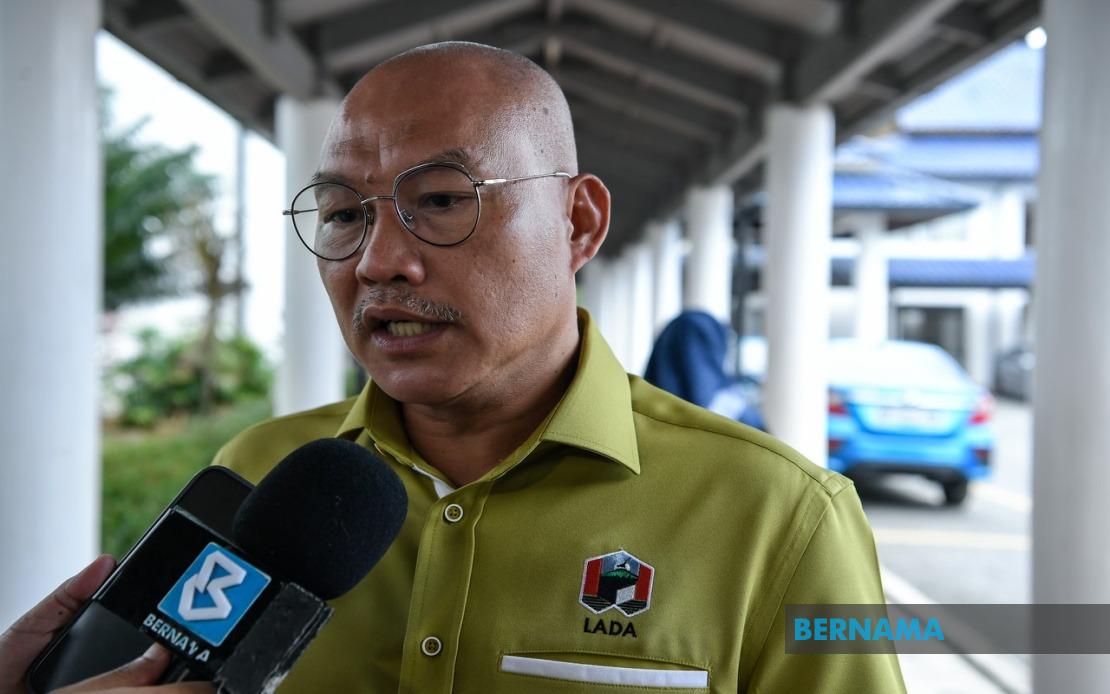
The Langkawi Development Authority (LADA) has embarked on a coordinated effort to eliminate a structural tax burden that is undermining the competitiveness of small and medium enterprises operating on the island. Datuk Seri Iskandar Mohd Kaus, the authority's chief executive, revealed that Finance Minister II Datuk Seri Amir Hamzah Azizan has tasked LADA with resolving a double taxation problem that entrepreneurs face when attempting to scale their operations beyond Langkawi's borders. This initiative represents a recognition that the island's economy requires diversification away from its traditional reliance on tourism revenue.
The crux of the problem lies in the paradoxical tax treatment that Langkawi entrepreneurs encounter. Goods imported into the duty-free zone incur taxation upon arrival, yet when those same goods are processed locally and subsequently sold outside Langkawi, they face additional taxation in peninsular and other markets. This dual levy effectively inflates operating costs, putting island-based businesses at a disadvantage relative to competitors on the mainland who only contend with a single layer of taxation. The cumulative effect of these levies substantially narrows profit margins and makes it difficult for Langkawi products to compete on price in external markets.
Iskandar explained that LADA has been mandated to collaborate closely with the Tax Division of the Ministry of Finance and the Royal Malaysian Customs Department to conduct a thorough examination of the problem and develop workable solutions. The authority plans to convene detailed discussions with industry representatives to map out specific challenges before presenting recommendations to both agencies. This consultative approach underscores the complexity of tax policy, which typically requires alignment across multiple government bodies before substantive changes can be implemented. The urgency of the matter has been emphasised, with all parties instructed to prioritise the review process given its direct bearing on business sustainability.
The significance of this issue extends well beyond immediate commercial considerations. Langkawi's tourism sector, while historically the economic mainstay, remains vulnerable to external shocks. When tourist arrivals decline due to geopolitical instability—such as regional conflicts or global travel uncertainties—the island's workforce and business community face economic hardship. By addressing the tax impediment, LADA is effectively creating an alternative income stream that can cushion the economy against tourism volatility. Supporting a thriving manufacturing and craft sector provides employment stability and reduces the island's structural economic fragility.
Handicraft production represents a particularly promising avenue for Langkawi's entrepreneurial growth. Currently, many local artisans and producers depend heavily on the footfall of tourists visiting the island to purchase their wares. While this direct sales model generates revenue, it inherently limits market size and growth potential. If double taxation barriers are removed, these producers could viably export their products to the Malaysian peninsula, other Southeast Asian nations, and potentially international markets. The resulting expansion would create new jobs in production, logistics, and business support services.
LADA's strategy involves broader institutional strengthening alongside tax reform. The authority intends to review available incentives in collaboration with relevant government agencies to further support SME expansion. Simultaneously, it aims to reinvigorate the Langkawi Craft Complex as a focal point for promoting locally produced goods. By combining tax relief with enhanced marketing infrastructure and institutional support, LADA is pursuing a comprehensive approach to market access improvement. This multi-pronged strategy acknowledges that removing tax obstacles alone is insufficient; entrepreneurs also require institutional ecosystems that facilitate product promotion and market linkages.
The resolution of Langkawi's double taxation challenge carries implications beyond the island itself. As a duty-free zone with special economic status, Langkawi's regulatory framework has always existed in a complex relationship with Malaysia's broader tax and customs system. How authorities resolve this tension will likely inform policy thinking regarding other special economic zones and free ports in the country. A successful resolution could serve as a model for addressing similar competitive disadvantages faced by entrepreneurs in other designated economic areas throughout Malaysia and the region.
For SME operators currently struggling under the weight of cascading taxes, this initiative represents meaningful progress toward a more equitable business environment. Many Langkawi entrepreneurs have expressed frustration that the island's duty-free status, which theoretically provides a competitive advantage, has paradoxically become a liability when they attempt to sell beyond its borders. The current effort to reconcile this contradiction demonstrates government responsiveness to legitimate business grievances and a willingness to engage in the administrative coordination necessary to address systemic problems.
The timeline for resolving these issues remains fluid, but the commitment from senior finance ministry officials suggests that this is not merely a peripheral concern. Given the stakes involved—both for individual business operators and for Langkawi's broader economic development—the authorities appear motivated to reach workable solutions relatively swiftly. However, tax policy changes typically require careful drafting to avoid creating unintended consequences or revenue shortfalls, meaning realistic expectations should account for the deliberate pace of formal policy revision.
LADA's framing of this initiative as central to economic diversification reflects sophisticated understanding of development challenges. Tourism-dependent economies risk becoming vulnerable to demand shocks and face structural limitations in wage growth and employment diversity. By nurturing manufacturing, handicraft, and value-added production sectors, Langkawi can build a more resilient economic foundation. The double taxation issue, while technical in nature, stands as a concrete barrier to this transition. Removing it would represent tangible government support for the kind of entrepreneurial dynamism that sustainable regional development requires.

