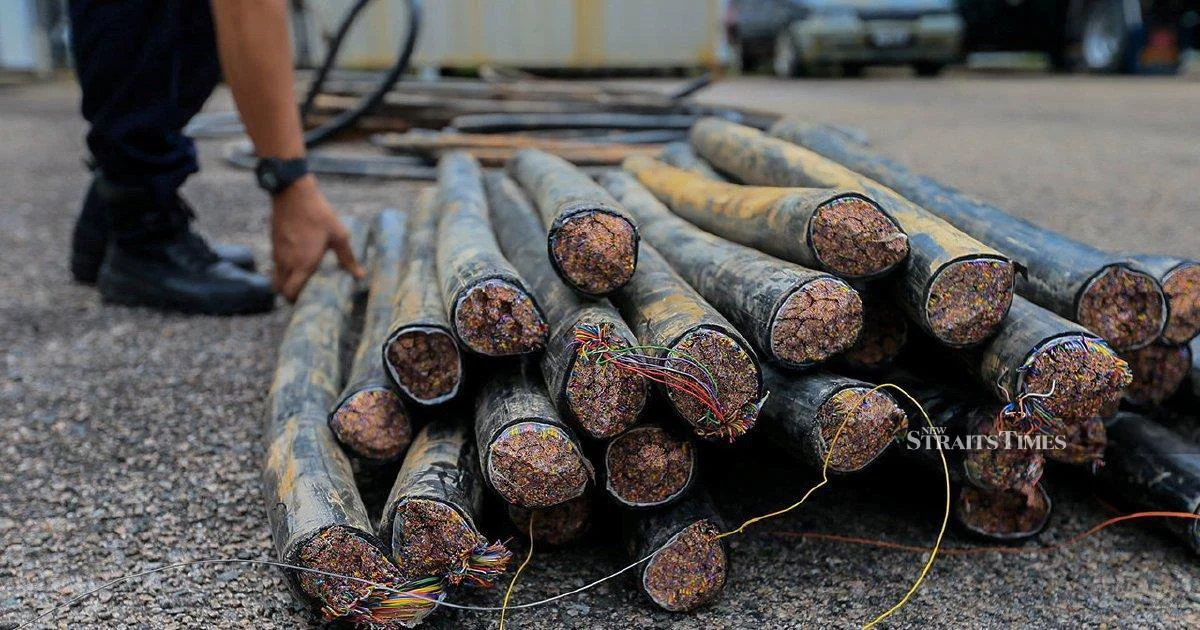
The Royal Malaysia Police have reported a substantial decline in cable theft incidents across Kuala Lumpur during the opening months of 2025, signalling potential success in enforcement strategies aimed at curbing what has become a persistent urban crime problem. Between January and May of this year, authorities documented 71 cable theft cases, a figure that represents roughly a third of the total recorded throughout 2024 when 205 such incidents were reported across the federal territory. This year-on-year reduction comes as police units intensify operations targeting organised theft networks that have long plagued the city's infrastructure and communications sectors.
The improvement in crime statistics reflects a concerted policing effort to dismantle criminal syndicates engaged in the systematic targeting of copper and fibre optic cables, which command significant value in scrap metal and illegal component markets. Police have arrested 85 suspects in connection with cable theft activities so far this year, representing meaningful progress in identifying and prosecuting individuals involved in these offences. These arrests encompass both perpetrators directly engaged in theft operations and intermediaries within supply chains that facilitate the conversion of stolen materials into cash through black market channels.
Cable theft has emerged as a significant challenge for Malaysian authorities in recent years, particularly in urban centres where dense telecommunications and electrical infrastructure creates abundant targets for organised criminal groups. The impact extends beyond mere property loss; disruptions to power supply, telecommunications services, and internet connectivity can have cascading consequences for businesses, hospitals, and residents who depend on uninterrupted utility services. For Kuala Lumpur specifically, where economic activity and digital connectivity are paramount, even localised outages caused by cable theft can impose substantial costs across multiple economic sectors.
The nature of cable theft typically involves coordinated teams operating under cover of darkness or during periods of reduced surveillance, using cutting equipment and vehicles to extract valuable materials from accessible locations. Many incidents target cables running through less populated areas, construction sites, and industrial zones where detection risks remain comparatively low. The stolen materials—primarily copper from electrical cables and valuable metals from telecommunications infrastructure—are subsequently sold to scrap dealers, metal recyclers, or international buyers, creating a demand-driven cycle that encourages repeated offences.
The decline in reported cases during January to May 2025 suggests that enforcement initiatives are producing tangible outcomes. Enhanced patrols in identified hotspots, cooperation between police and utility companies to secure infrastructure, and targeted investigations into fencing operations that purchase stolen materials appear to have created greater risk for would-be thieves. Additionally, improved coordination between the Royal Malaysia Police and private sector security providers managing telecommunications and power distribution assets has likely contributed to faster incident response and apprehension of suspects at crime scenes.
However, security analysts caution against premature celebration, noting that crime statistics can fluctuate seasonally and that criminal enterprises frequently adapt their methodologies to evade enforcement pressure. The five-month snapshot, while encouraging, requires sustained monitoring over longer periods to confirm whether the downward trend represents a genuine disruption to organised theft networks or a temporary shift in criminal activity patterns. Some theft operations may have simply relocated to less vigilantly patrolled areas or adjusted their target selection to avoid heightened police presence.
The financial dimensions of cable theft remain significant motivators. A single substantial copper cable haul can yield thousands of ringgit when sold to receptive buyers, providing attractive income for individuals facing economic hardship or recruited into criminal syndicates. Addressing the root causes requires not only enforcement but also measures addressing the demand side—strengthening penalties for purchasing stolen materials, improving transparency in scrap metal industries, and creating economic alternatives for populations vulnerable to criminal recruitment.
Utility companies operating in Kuala Lumpur have increasingly invested in anti-theft technologies including surveillance systems, cable markers, and rapid-response protocols following thefts. These preventative measures work in conjunction with police operations to create a hostile environment for theft activity. The visible decline in cases may reflect cumulative benefits from these combined approaches, demonstrating how public-private security collaboration can yield measurable crime reduction outcomes.
Looking forward, maintaining the current downward trajectory will depend on sustained resource allocation and tactical consistency. Police commanders have indicated that operations will continue focusing on identified syndicate members, supply-chain intermediaries, and geographic areas where cable theft remains concentrated. The 85 arrests recorded so far represent individuals removed from immediate circulation within these networks, though the sustainability of reduced crime rates depends on whether replacement recruitment and reorganisation occur at slower rates than police apprehension can sustain.
For Malaysian residents and businesses, the significance of this crime reduction extends beyond statistics into tangible improvements in utility reliability and urban security. Cable theft creates genuine public safety concerns beyond property loss, as damaged infrastructure can pose electrocution risks and compromise emergency communication systems. The police force's demonstrated ability to reduce these incidents over a five-month period provides grounds for optimism while underscoring the importance of continued vigilance as criminal enterprises inevitably evolve their operational approaches.