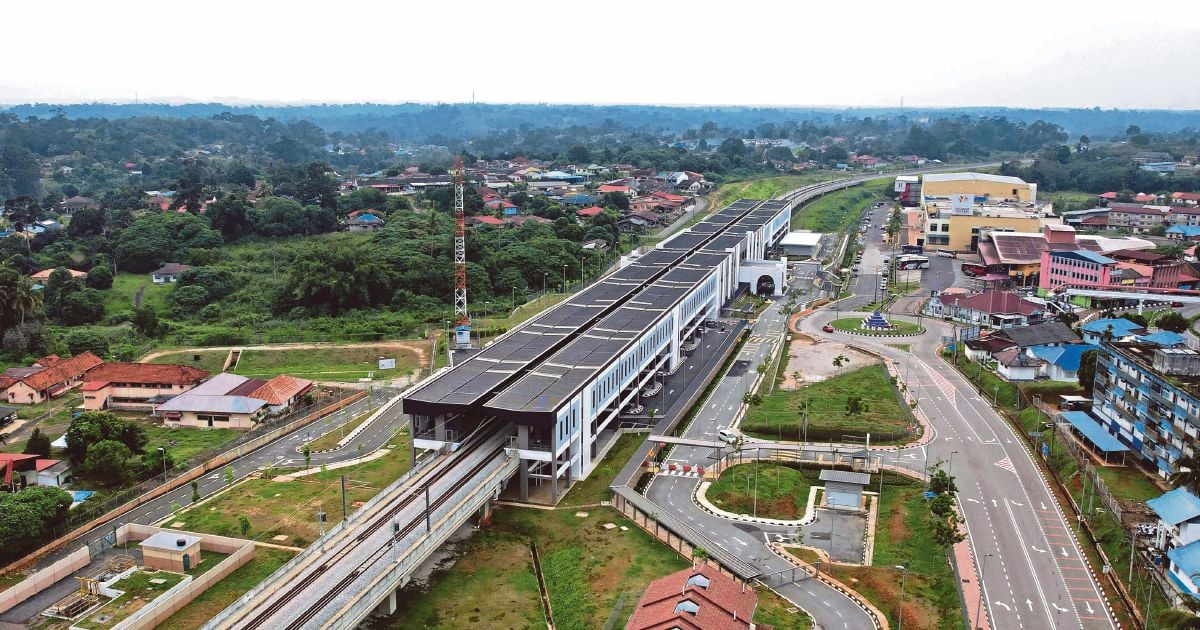
Keretapi Tanah Melayu Berhad (KTMB) is mobilising its southern Electric Train Service network to handle elevated passenger demand during this weekend's Johor state election, deploying approximately 7,464 extra seats across multiple scheduled services. The move reflects the operator's strategic response to anticipated transport surges when voters travel to and from polling stations throughout the southern state.
The 20 percent fare reduction applies to passengers holding valid voting credentials, substantially lowering travel costs for eligible electors making the journey. This pricing incentive acknowledges the importance of facilitating democratic participation while reducing barriers to ballot access, particularly for voters residing outside their home constituencies or those travelling from neighbouring areas. The discounted fares will be available on all designated ETS services within the southern corridor during the election period.
The southern sector ETS operates across critical trunk routes connecting Kuala Lumpur to key Johor population centres including Seremban, Kuala Lumpur Sentral, and extending toward the southern terminal at Johor Bahru. Given the corridor's heavy reliance on rail infrastructure for long-distance connectivity, supplementary capacity becomes essential during events that generate concentrated travel demand. Election weekends traditionally witness sharp increases in rail patronage as voters mobilise, making advance planning crucial for maintaining service reliability and passenger safety.
KTMB's capacity augmentation strategy involves scheduling additional train formations and potentially extending service hours to accommodate the predicted surge without compromising journey times or causing undue crowding. This operational flexibility requires careful coordination between dispatch centres, crew scheduling, and maintenance facilities to ensure vehicles remain roadworthy throughout the intensified service period. The additional 7,464 seats represent substantial reinforcement when distributed across multiple service windows spanning the election weekend.
From a regional mobility perspective, this initiative demonstrates how Malaysian transport infrastructure manages peak-demand scenarios linked to major civic events. For Southeast Asian readers, the approach illustrates practical mechanisms through which developing nations integrate electoral facilitation with existing public transport networks—a consideration increasingly relevant across the region as urbanisation and democratic participation intersect with infrastructure capacity. The model provides operational insights applicable to similar challenges in neighbouring countries experiencing comparable demographic and electoral dynamics.
The discount policy itself carries broader implications for transport equity and political access. By reducing fare barriers, authorities acknowledge that cost-prohibitive ticket prices can implicitly discourage participation among lower-income voters who must travel significant distances. The 20 percent reduction, while modest in absolute terms, may prove meaningful for marginal travellers calculating discretionary spending during election periods. This approach contrasts with passive service provision by actively incentivising rail usage during politically sensitive periods.
For KTMB operationally, such election-driven demand management presents recurring planning challenges. The operator must maintain capacity reserves sufficient to accommodate periodic surges without permanently inflating its fleet—an expensive proposition given capital constraints facing public transport operators across Southeast Asia. The scheduling flexibility demonstrated here suggests capacity margins exist within the existing vehicle fleet but remain underutilised during normal demand periods, raising questions about overall route profitability and pricing strategies.
Passengers should anticipate moderately busier conditions despite supplementary capacity, particularly during morning and evening transit windows when commuter and electoral traffic overlap. Station congestion at major hubs like Kuala Lumpur Sentral may intensify, though platform redesigns completed in recent years have improved passenger flow management. KTMB has advised early arrival and reserved-seat bookings during peak hours to mitigate crowding impacts.
The initiative extends KTMB's corporate social responsibility positioning ahead of the election. While transport provision serves immediate practical needs, it simultaneously generates positive publicity and positions the operator as supportive of democratic processes. For a government-linked company, such visible collaboration with electoral infrastructure enhances public perception and demonstrates alignment with national development priorities.
The southern sector's demographic composition—encompassing urban Johor Bahru, industrial Pasir Gudang, and rural inland constituencies—means rail accessibility disproportionately benefits certain voter populations. Urban and suburban residents with convenient rail access gain clearer advantages compared to rural voters dependent on bus networks or personal vehicles. This infrastructural disparity, though unintentional, subtly influences electoral logistics and campaign reach patterns across Malaysia's diverse geography.
Looking forward, the demand data generated during this election weekend will provide KTMB valuable insights into capacity utilisation patterns, service reliability under stress conditions, and customer preferences during high-demand periods. Analytics from this period may inform long-term southern corridor investment decisions and help calibrate future election-period service levels. For transport planners across Malaysia and the broader region, such real-world operational evidence proves increasingly valuable as cities expand and democratic participation intersects ever more complexly with transport infrastructure.

