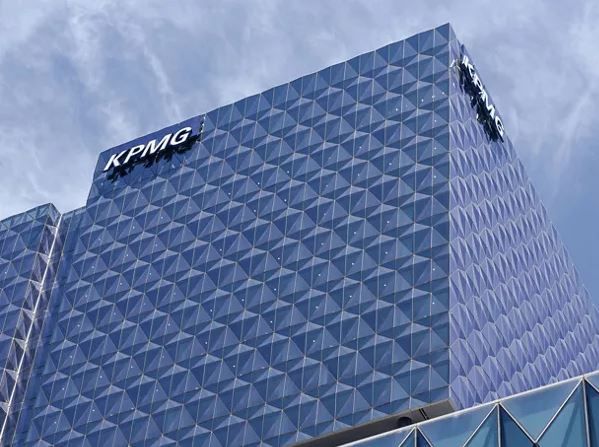
The latest chapter in KPMG Australia's unfolding governance crisis deepened on Tuesday with the resignation of Chairman Martin Sheppard alongside two prominent audit partners, Paul Rogers and Eileen Hoggett. Their departures compound what has become an institutional reckoning at one of Australia's most prominent professional services firms, following earlier exits of the chief executive and head of audit. Interim CEO Stan Stavros characterised the moves as both necessary and immediate, acknowledging that the firm had fundamentally failed to uphold the standards its reputation depends upon.
The resignations stem directly from allegations that KPMG improperly accessed and weaponised confidential board papers belonging to major property developer Lendlease to strengthen competitive bids in pursuit of significant audit contracts. The whistleblower who exposed this misconduct publicly aired these claims in March, triggering a sequence of investigations and internal reckonings that have now claimed multiple members of the firm's senior leadership. For Malaysian and Southeast Asian observers, the episode underscores how reputational damage at global professional services firms can cascade rapidly, with implications for their regional operations and client relationships across Asia.
Rogers and Hoggett occupy a particularly exposed position within this scandal, having been directly identified by the whistleblower as the lead partners orchestrating the audit work on the Lendlease engagement where the alleged misconduct occurred. Beyond their resignations, both remain subjects of formal investigation by the Australian Securities and Investments Commission, the nation's corporate regulator, suggesting that potential legal jeopardy may extend well beyond employment consequences. The positioning of these two senior figures at the centre of the controversy created an untenable situation for the firm's governance structures, as continued presence of individuals facing regulatory scrutiny would have compounded questions about institutional accountability.
The pattern of departures—now encompassing the chief executive, the audit chief, the chairman, and two senior audit partners—suggests that internal investigations have uncovered systemic rather than isolated lapses in professional judgment and ethical practice. Stan Stavros, operating in an interim capacity, articulated explicit recognition that KPMG's conduct fell materially short of professional expectations, a remarkable admission from any major accounting firm but particularly significant given these firms' central role in maintaining trust throughout the broader financial system. His statement referenced impacts extending beyond the immediate parties involved, acknowledging harm to the whistleblower who triggered scrutiny, employees within the organisation, existing and prospective clients, and the broader Australian business community.
For regional context, this scandal arrives at a moment when questions about audit quality and professional services firm governance have gained prominence across Southeast Asia. Malaysia's own corporate accountability frameworks have come under scrutiny in recent years, particularly regarding oversight of major professional services firms operating here. The KPMG Australia situation provides instructive lessons about how quickly institutional credibility can erode when allegations of improper information handling emerge, particularly where such behaviour undermines the fundamental independence that audit relationships demand.
The allegation that KPMG accessed Lendlease's confidential board materials strikes at the heart of what makes audit relationships valuable to investors and regulators. Audit partnerships depend on client organisations sharing sensitive strategic and financial information with the auditor, with the implicit understanding that such material will be treated with strict confidentiality. When an accounting firm weaponises this privileged access to win additional business from the same client, it corrupts the audit function and transforms a governance tool into a vehicle for potential manipulation. The Lendlease case demonstrates how this breach of trust can be particularly damaging when directed at a major corporate entity.
In response to the crisis, KPMG Australia announced structural reforms designed to signal renewed commitment to governance principles. The firm committed to appointing an independent chairman role and expanding independent representation on its Australian board, moves that reflect recognition that existing governance architecture failed to prevent or adequately manage the conduct at issue. These structural adjustments, however, represent only partial responses to the underlying failures. Rebuilding institutional trust will require sustained demonstration of cultural and behavioural change, particularly within the audit division where the misconduct centred.
For Malaysian companies and investors, the KPMG Australia crisis carries relevance beyond schadenfreude or academic interest. Many Malaysian corporations, particularly those listed or seeking international capital, rely on the professional services ecosystem that KPMG and similar global firms inhabit. When major audit firms experience governance failures of this magnitude, it raises broader questions about the reliability of audit work performed across their international operations. While Australian and Malaysian regulatory regimes differ, the underlying professional standards that should govern conduct remain consistent across KPMG's global footprint.
The whistleblower's decision to publicise these allegations rather than relying on internal channels underscores a critical point about governance failures: institutional mechanisms sometimes prove inadequate to address serious misconduct. This dynamic has become increasingly evident across major organisations globally, where external exposure often proves necessary to catalyse meaningful leadership change. In the Malaysian context, where corporate governance frameworks and whistleblower protections continue evolving, the KPMG case illustrates both the necessity and the risks inherent in publicising sensitive institutional failures.
Moving forward, KPMG Australia faces the substantial challenge of rebuilding confidence among corporate clients who may now question whether their confidential information has been adequately protected. The firm's capacity to compete for major new mandates will depend significantly on whether clients view the leadership departures and governance restructuring as sufficient accountability measures. Simultaneously, the firm must manage internal dynamics among remaining partners and staff, some of whom may harbour resentment about the crisis or concerns about their own professional standing given the firm's damaged reputation.