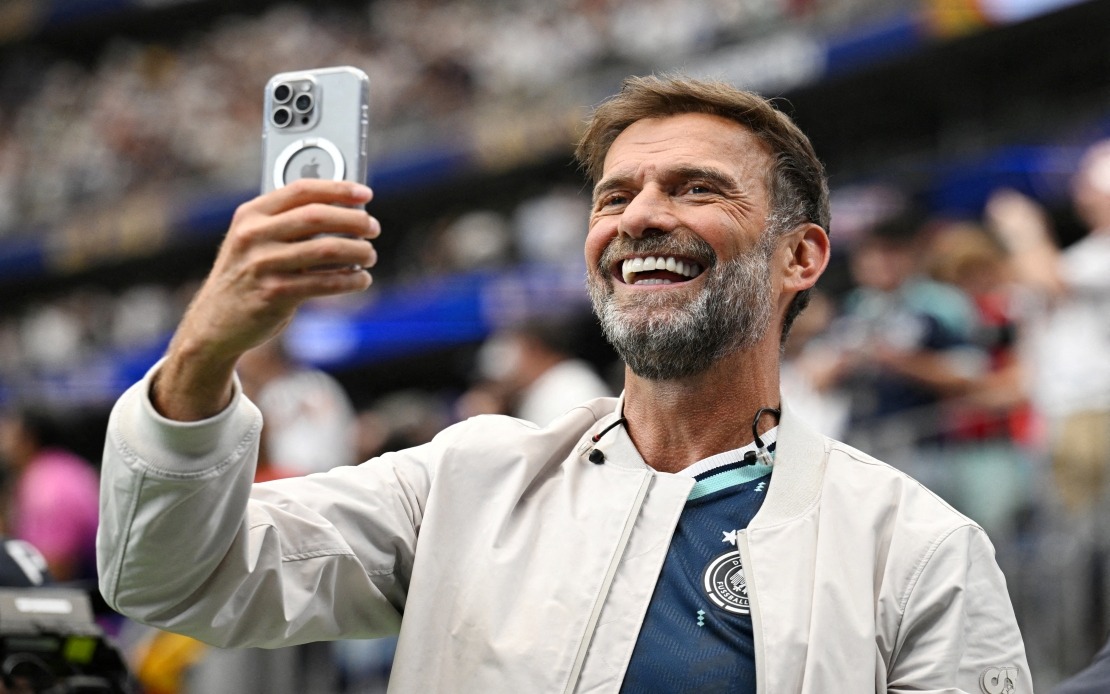
Jürgen Klopp has officially confirmed that he is in advanced discussions with the German Football Federation regarding the vacant national team coaching position, as the federation seeks a successor to Julian Nagelsmann following Germany's disappointing World Cup campaign. Speaking publicly on MagentaTV, the former Borussia Dortmund and Liverpool tactician acknowledged that formal negotiations are underway but cautioned that reaching a final agreement will require substantial time and intensive dialogue given the complexity of the situation facing German football.
Nagelsmann's departure came after nearly three years in charge, with his tenure ending in disappointment when Germany exited the tournament at the group stage following a penalty shootout defeat to Paraguay. The loss marked a significant setback for the national programme and prompted the DFB to initiate its search for fresh leadership. Despite Nagelsmann's track record and reputation as an innovative coach, the federation determined that a change was necessary to address systemic issues within the team and its preparation structures.
Klopp's emergence as a leading candidate represents a significant moment for German football. The 57-year-old has been out of active coaching since departing Liverpool in summer 2024, but has remained engaged with football in his capacity as Head of Global Soccer at Red Bull, a position that has allowed him to maintain perspective while stepping away from the daily pressures of club management. In recent interviews, Klopp has indicated that his extended break has left him energised and prepared to take on a major new challenge at the international level.
During his public remarks, Klopp praised Nagelsmann's coaching abilities and acknowledged that circumstances rather than performance alone drove the federation's decision. He noted that the outcome against Paraguay might have been entirely different had the result swung in Germany's favour, suggesting that both the coach and the federation's decision-making were significantly influenced by the tournament's specific outcome. This diplomatic framing reflects Klopp's awareness that Nagelsmann remains a respected figure within German coaching circles.
The complexity of securing Klopp's appointment extends beyond simply convincing him to accept the role. He remains bound by a contract with Red Bull that runs until 2029, creating significant logistical and financial hurdles that require negotiation between multiple parties. Klopp has stated that he consulted with his Red Bull superior Oliver Mintzlaff about the possibility, recognising that any agreement must satisfy all stakeholders involved in the arrangement.
Klopp has publicly emphasised that any eventual solution must preserve Red Bull's reputation and commercial interests. He framed the ideal outcome as one where all parties emerge as winners, suggesting that the federation, Red Bull, and Klopp himself could each benefit from a carefully structured arrangement. This constructive approach indicates his willingness to find creative solutions rather than simply abandoning his existing obligations, though such arrangements in modern football often require substantial negotiation and compromise.
The potential appointment carries significant weight for German football at a critical juncture. The national team faces the challenge of rebuilding its squad and tactical approach following the World Cup disappointment, and the federation must signal competent leadership to stakeholders, sponsors, and fans who have grown frustrated with recent performances. A figure of Klopp's stature and accomplishments could provide the reassurance and direction that the programme requires during this transitional period.
For Southeast Asian football observers, this development highlights how European national teams operate differently from club football, where reputational concerns, financial obligations, and long-term strategic planning intersect. Klopp's methodical approach to negotiations, rather than rushing into an agreement, reflects mature football thinking about institutional stability and mutual benefit. His insistence on thorough talks rather than accepting a role based on prestige alone demonstrates the substance that characterises elite-level decision-making in football management.
The DFB's pursuit of Klopp underscores the federation's determination to appoint someone with the experience and gravitas to reshape German football's trajectory. His Liverpool achievements, including ending the club's 30-year Premier League title drought and winning the Champions League, position him as someone who has demonstrated the ability to rebuild struggling institutions and maximise talent within constrained circumstances. Such credentials carry considerable weight when addressing a national team programme facing questions about its direction and identity.
Coming at a time when international football continues to evolve tactically and strategically, Klopp's potential appointment would represent a significant moment of change for German football. The ongoing negotiations will determine not only whether a deal can be struck between the federation and Red Bull, but also whether Klopp himself believes the timing is right for a move into international management after his successful spell with one of English football's most prestigious clubs. The resolution of these talks will likely shape German football's competitive outlook for the next several years.

