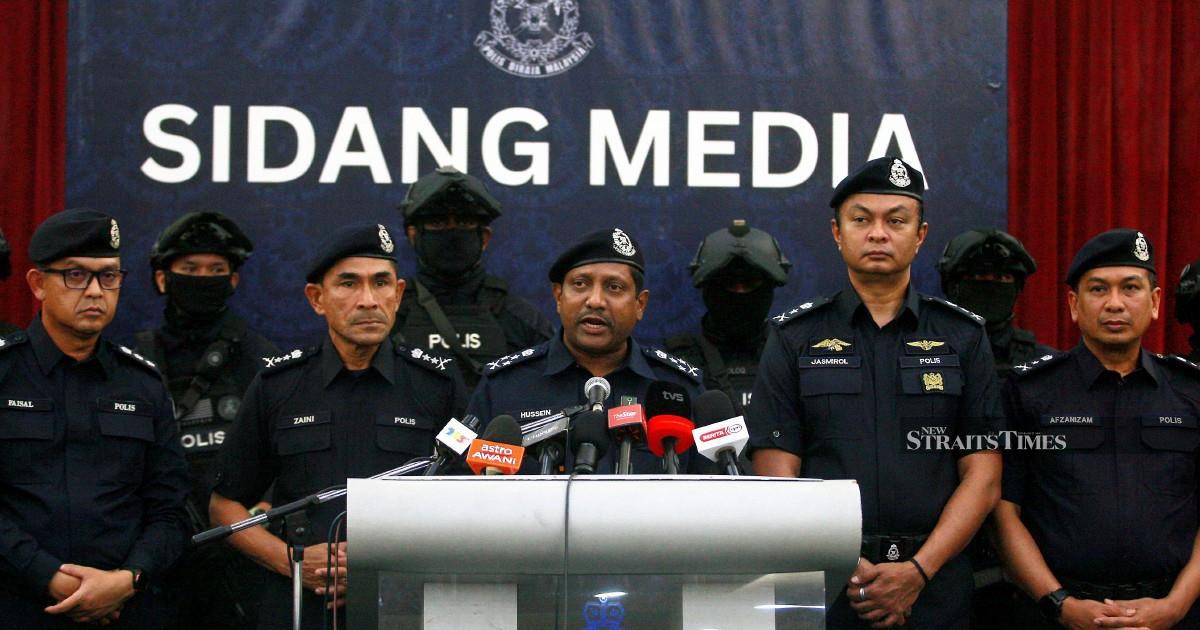
Law enforcement officers have brought in a Kuala Lumpur International Airport staff member for questioning as their inquiry deepens into how a Malaysian pilot ended up detained in Jakarta carrying controlled substances. The questioning represents a significant expansion of the case beyond the initial arrest, as investigators attempt to establish whether airport personnel may have played a role in the incident, though officials caution that no concrete evidence has yet emerged pointing to internal involvement.
The questioning of the KLIA worker signals that police are systematically exploring all avenues that might explain how the pilot came into possession of the drugs prior to departure. Investigators are examining whether someone working at Malaysia's premier aviation hub could have facilitated access to narcotics or provided assistance that enabled the substances to move through the airport undetected. The timing and nature of the employee's involvement, if any, remain unclear pending further investigation.
So far, the evidence gathered has not definitively demonstrated that an insider at KLIA deliberately assisted in moving illicit cargo. Police officials have stressed that while the questioning was necessary to rule out institutional connections, findings to date do not conclusively point toward coordinated action between airport staff and the pilot. The distinction matters significantly for airport operations and security protocols, as confirmation of insider involvement would suggest systemic vulnerabilities requiring immediate remediation.
The case has intensified scrutiny of security procedures at KLIA, one of Southeast Asia's busiest aviation hubs handling millions of passengers annually. With Indonesia's stringent drug enforcement laws, the pilot's arrest in Jakarta carries serious implications that extend beyond Malaysia's borders. Jakarta has become increasingly unforgiving toward drug offences in recent years, and individuals convicted there face lengthy sentences that can span decades. The pilot's situation thus represents not merely a domestic legal matter but a pressing diplomatic and human concern for Malaysian authorities.
Investigators are reconstructing the pilot's movements in the days preceding the arrest, mapping out his interactions with colleagues, airport vendors, and other individuals who might have supplied him with narcotics. This painstaking approach requires corroborating statements from multiple witnesses and reviewing security footage to identify anyone who may have transferred items to the pilot. The complexity of airport environments, with thousands of personnel moving through restricted and public zones daily, makes pinpointing culpability a challenging undertaking.
The arrest has prompted broader conversations about drug smuggling networks operating within aviation sectors across the region. Pilots and airline crew members occasionally become targets for traffickers because their international mobility and airport access present trafficking opportunities that are difficult for conventional law enforcement to intercept. Understanding whether the pilot in this case was a willing participant or unwitting courier—or whether he was approached by someone connected to KLIA—fundamentally changes the nature of the threat assessment.
Airport authorities have likely enhanced monitoring protocols and employee background verification procedures following the incident. KLIA management will need to demonstrate to federal authorities and the public that internal controls are sufficiently robust to prevent similar situations. This may include additional security training, random audits of access privileges, and heightened scrutiny of employee conduct, particularly among staff with sensitive clearances.
The investigation's outcome will carry implications for Malaysia's international standing regarding drug enforcement and airport security. Other nations, particularly Indonesia and Australia, closely monitor how Malaysia handles cases involving narcotics and cross-border compliance. A finding that KLIA facilitated drug movement would damage Malaysia's credibility in regional counternarcotics partnerships and joint security initiatives.
Meanwhile, the pilot's legal position in Jakarta remains precarious. Malaysian authorities are presumably in contact with Indonesian counterparts to ensure consular access and fair legal proceedings. The Malaysian government may be exploring whether diplomatic channels can influence bail conditions or sentencing recommendations, though Indonesia maintains strict independence in its judicial processes and typically resists external pressure in drug cases.
Police have indicated that questioning will continue with other individuals who may have relevant knowledge about the pilot's activities. The investigation timeline remains fluid, with no announced conclusion date. Officials acknowledge that establishing definitive proof of insider involvement—or conclusively ruling it out—may take weeks or months given the volume of evidence requiring analysis.
The broader aviation industry in Malaysia will be watching this investigation closely. Pilots, crew members, and airport workers alike understand that the outcome may result in new regulations or security measures affecting their daily operations. Balancing security vigilance with operational efficiency presents an ongoing challenge for airport management and regulatory agencies overseeing civil aviation.

