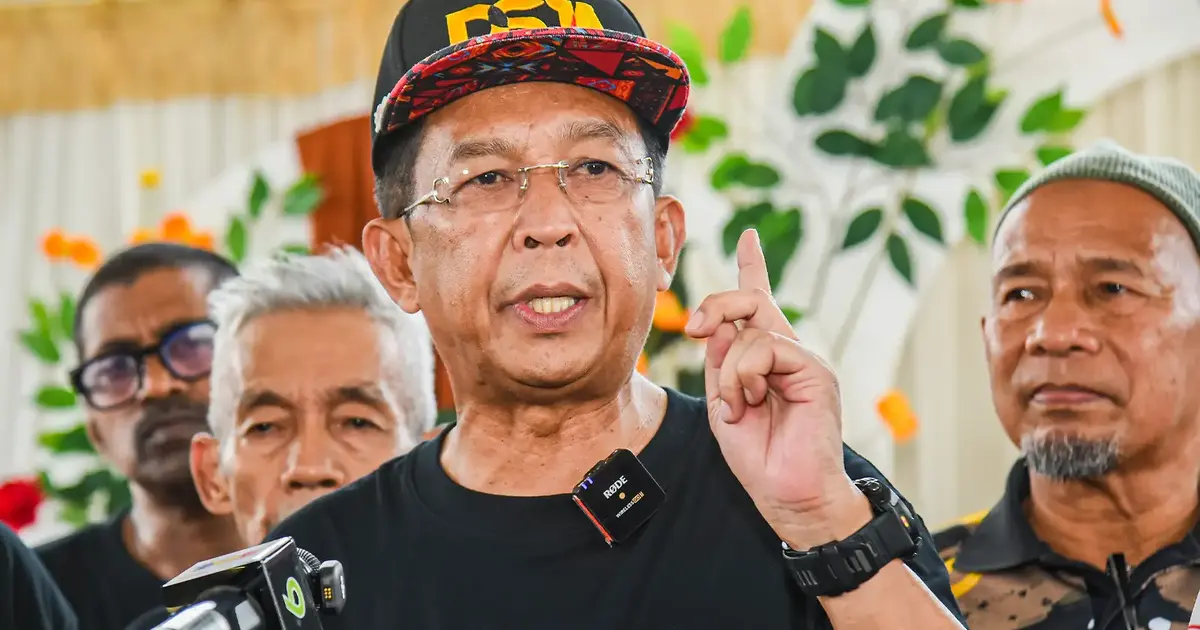
A polling centre operated by Barisan Nasional in Klawang has been shut down following internal dissatisfaction with the electoral arrangement between BN and Perikatan Nasional, according to Selangor's Umno chief Jalaluddin. The closure represents a visible manifestation of the tensions simmering within the coalition ahead of elections, as grassroots members grapple with seat-sharing decisions made at leadership level.
Jalaluddin characterised the protest as stemming from certain quarters within the party who are displeased with how the BN-PN electoral deal has been structured in their locality. Rather than escalating the situation, the state Umno leadership has adopted a measured approach, signalling confidence that operations at the facility will resume within a short timeframe. This apparent pragmatism reflects an effort to contain the fallout from what appears to be a broader pattern of discontent among party cadres regarding their competitive positioning in the forthcoming polls.
The Klawang incident illuminates the delicate balancing act that BN faces in managing its partnership with PN. While national-level leadership has determined that the coalition arrangement serves the broader strategic interests of both groupings, the implementation at constituency level often generates friction. When local party members perceive that their traditional strongholds have been surrendered to coalition partners, morale can suffer and operational commitment may waver. The closure of a polling centre, though temporary, sends a signal of internal protest that cannot be entirely dismissed as inconsequential.
Seat allocations within pre-election coalitions have long been contentious in Malaysian politics. Umno, historically accustomed to contesting most parliamentary and state assembly seats, has had to recalibrate its expectations in recent years. The BN-PN arrangement represents an attempt to consolidate anti-opposition voting, but it necessarily requires territorial compromises that do not always sit comfortably with party members who view certain constituencies as rightfully theirs. Klawang, while not necessarily a flagship seat, carries symbolic weight for local activists invested in maintaining party presence across their operational turf.
The broader context of BN-PN cooperation remains complex. Both coalitions emerged as serious contenders following the 2022 general election, and their occasional alliances at state and federal levels reflect the fragmented nature of contemporary Malaysian politics. However, such arrangements remain unpopular with sections of both coalitions' bases, who question whether partnership dilutes their distinct identities. Each instance of internal protest, whether through centre closures or grassroots grumbling, reinforces the inherent instability of coalition politics built more on pragmatic accommodation than ideological or organisational compatibility.
For Selangor specifically, the stakes are particularly high. As the nation's most developed state and a crucial electoral battleground, Selangor has seen intense competition between opposition and coalition forces over successive elections. The state's substantial urban and suburban population creates unpredictable voting patterns that cannot be reliably controlled through simple seat-sharing arrangements. When BN concedes seats to PN in this context, it risks enabling a rival coalition partner to entrench itself in areas previously thought to be secure.
Jalaluddin's apparent confidence that the centre will reopen suggests that state leadership has mechanisms to address such protests without requiring major policy reversals. This might involve negotiations between local party figures and PN counterparts, reassurances about campaign resource allocation, or messaging that reframes seat sacrifices as part of a larger strategic calculation. The fact that protests can be absorbed and centres can be brought back online indicates a degree of discipline within Umno's internal structures, though it also masks underlying dissatisfaction that could resurface if electoral outcomes disappoint.
The incident also reflects broader questions about coalition durability in Malaysian politics. Temporary alliances often create permanent resentments, particularly when they require established parties to yield ground they traditionally dominated. Members who invested years in building party infrastructure in contested seats understandably feel abandoned when leadership makes unilateral decisions to cede those territories. This human dimension of electoral politics frequently gets overshadowed by strategic analyses of coalition mathematics, yet it directly impacts ground-level effectiveness.
Looking ahead, BN and PN leaders will need to manage such tensions carefully to prevent similar disruptions from accumulating into serious organisational challenges. While individual polling centre closures may seem minor, they represent data points indicating the health of coalition cohesion. Multiple such incidents across various constituencies could signal a coalition partnership that is fraying, potentially complicating the campaigns of both partners and benefiting opposition forces that do not face comparable internal divisions.
The Klawang situation ultimately underscores the difficulty of sustaining pragmatic political partnerships across grassroots levels. While national leaders may view coalition arrangements as rational responses to a crowded political landscape, party cadres often struggle with the compromises such arrangements entail. How effectively BN manages these tensions, particularly in strategically important states like Selangor, will significantly influence its electoral performance and longer-term viability as a coalition force in Malaysian politics.

