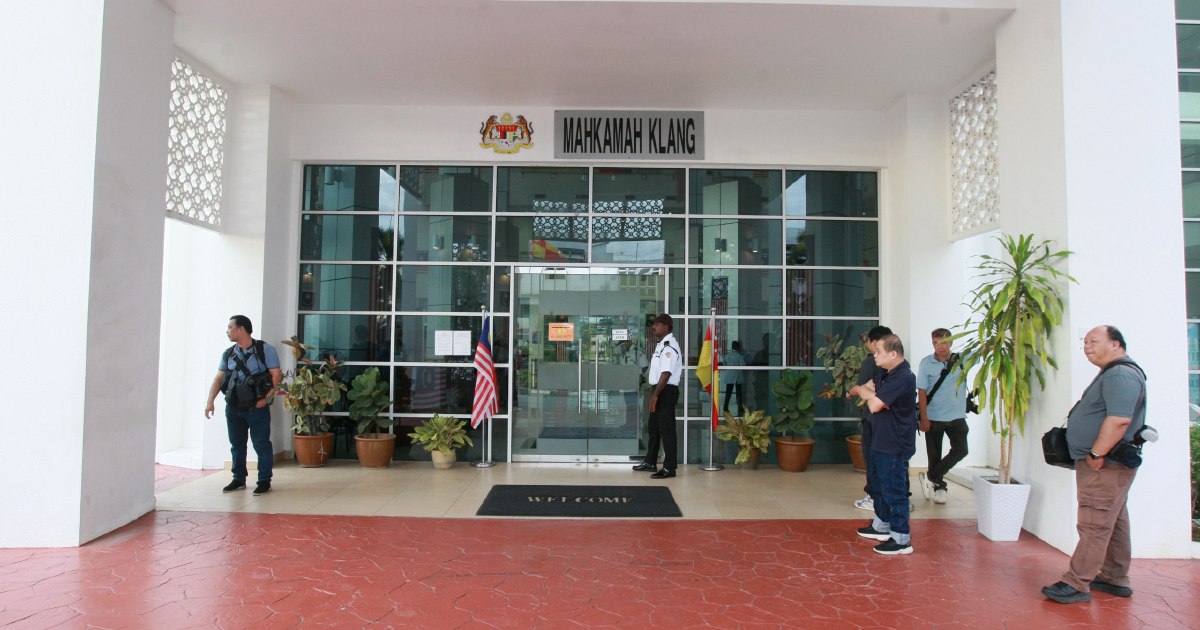
The Sessions Court in Klang proceeded with charges against a 24-year-old suspect connected to the death of Rocky, a dog whose case has captured considerable public attention across Malaysia. The court proceedings took place in a notably subdued atmosphere, with minimal crowds gathering outside the courthouse during morning hours, in stark contrast to the widespread social media engagement the incident had generated online.
The Rocky case represents a watershed moment in how Malaysian society discusses and addresses animal cruelty. The incident garnered extensive digital discourse and public commentary, reflecting evolving attitudes toward pet welfare and the treatment of animals in the country. What began as a local tragedy has crystallised into a broader conversation about legal protections available to animals and the adequacy of existing frameworks to prosecute those responsible for harm.
The relative quiet outside the physical courtroom stands in interesting contrast to the substantial noise the case generated in virtual spaces. This pattern highlights how modern criminal cases in Malaysia increasingly play out simultaneously in two arenas—the traditional judicial setting and the court of public opinion on social media platforms. The discrepancy between online engagement and physical courtroom attendance suggests that awareness of cases now spreads rapidly through digital networks, yet public participation remains limited to digital commentary rather than physical presence.
Under Malaysian law, animal cruelty cases typically fall under provisions designed to protect animals from deliberate harm and negligent treatment. The charging of the suspect represents an opportunity for the judicial system to clarify the boundaries of acceptable conduct toward domestic animals and to establish precedent regarding consequences for violations. The outcome of these proceedings will likely influence public perception of whether existing legal mechanisms adequately safeguard pet animals from harm.
The death of Rocky has intersected with broader conversations about responsibility among pet owners and custodians. The case has prompted discussions about what constitutes adequate care, the circumstances under which intervention becomes necessary, and the role of communities in monitoring animal welfare. These conversations extend beyond any individual prosecution to encompass systemic questions about how Malaysian society addresses animal protection.
For the suspect facing charges, the proceedings represent a critical juncture where the justice system will examine the facts and circumstances surrounding the incident. The court's assessment will determine whether the actions constitute criminal conduct and what appropriate penalties apply under current legislation. This determination carries implications not only for the individual defendant but also for the broader framework of animal protection jurisprudence in Malaysia.
The involvement of the Sessions Court in Klang indicates that relevant authorities have gathered sufficient evidence to move the case toward formal prosecution. The decision to proceed with charges suggests that investigators concluded the circumstances met the threshold for criminal liability under applicable animal protection statutes. The procedural progression through the court system will now involve examination of evidence, witness testimony, and legal arguments regarding responsibility and culpability.
Public interest in the Rocky case underscores growing awareness among Malaysians regarding animal welfare issues. The incident has served as a catalyst for broader discussions about how the country should approach the protection of companion animals, the role of regulatory bodies in oversight, and the adequacy of penalties for breaches. These conversations reflect a segment of society that prioritises animal protection and seeks stronger legal and social mechanisms to prevent cruelty.
The case also raises questions about how communities can better support one another in ensuring animal welfare. The incident has prompted some to reflect on the responsibilities of neighbours, friends, and acquaintances in identifying situations where animals may be at risk and responding appropriately. This communal dimension extends beyond law enforcement to encompass social responsibility for protecting vulnerable creatures.
As the Klang Sessions Court processes this case, the proceedings will likely attract continued attention from those invested in animal protection outcomes. The judicial determination of charges and any subsequent sentencing will be closely monitored by advocates and observers concerned with establishing clearer precedent in animal cruelty prosecutions. The case serves as a test of how comprehensively Malaysia's legal system addresses deliberate or negligent harm to companion animals.
The quiet courtroom atmosphere on the charging date stands as a reminder that significant legal and social consequences can unfold away from large public gatherings. The substantive work of the judicial system—examining evidence, hearing arguments, and determining legal culpability—occurs through specific procedural steps rather than dramatic public demonstrations. Nevertheless, the case's continued resonance online suggests that public investment in outcomes remains high, even if that interest manifests primarily through digital discourse rather than courthouse presence.

