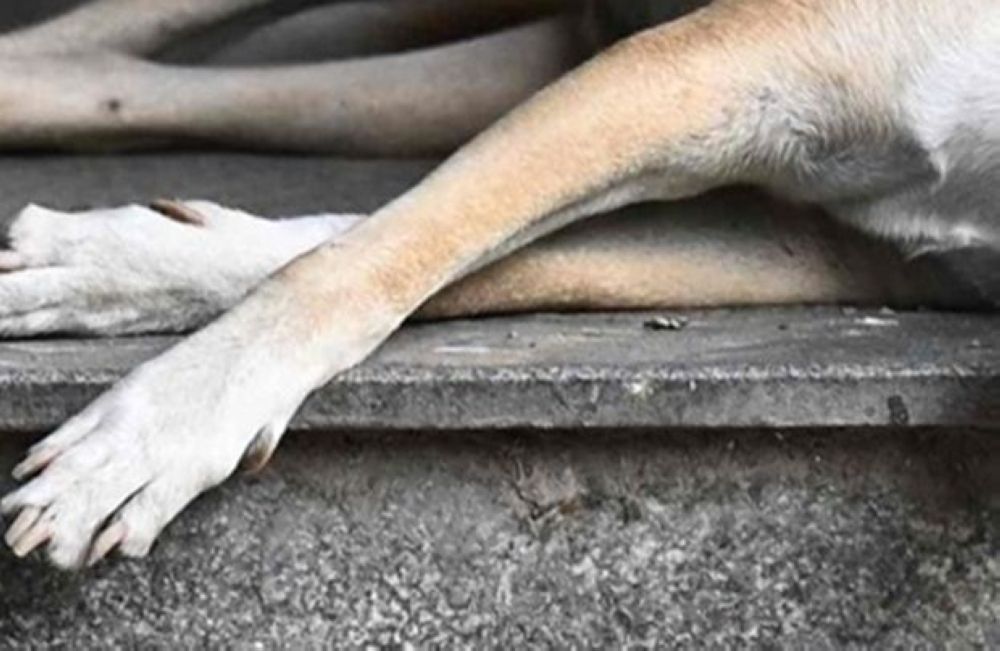
Police have summoned two officers from the Klang Royal City Council (MBDK) to provide statements in connection with the death of a stray dog known as Rocky, which occurred during an animal capture operation on July 29 in the Taman Teluk Gedung Indah neighbourhood of Port Klang, Selangor. The incident has drawn public attention amid growing concerns about animal welfare and the methods employed by local authorities in managing stray dog populations in residential areas.
The capture operation was substantial in scale, involving 11 MBDK enforcement personnel working alongside approximately 50 residents from the affected neighbourhood. The exercise commenced at 8.30pm and was designed to address persistent complaints about stray animals posing risks to public safety in the community. According to Klang mayor Datuk Abd Hamid Hussain, the entire operation adhered to standard operating procedures established by the Housing and Local Government Ministry, utilising approved animal capture equipment including catch poles and nets.
The tragedy unfolded during the attempted capture of the 13th dog in the operation. A woman who identified herself as the dog's owner intervened to prevent the animal's capture, leading to a physical struggle between her and the enforcement team. During this confrontation, Rocky became strangled, ultimately resulting in the animal's death. The incident underscores the delicate and sometimes fraught nature of stray dog management operations, particularly when owners believe their animals are being threatened by local authorities.
Mayor Abd Hamid defended the council's approach, emphasising that the operation was necessary to address legitimate public safety concerns rather than motivated by any desire to harm animals. He highlighted that the operation followed prescribed protocols and that the MBDK had coordinated with the local Rukun Tetangga to brief all participants on proper capture techniques. This procedural compliance represents an important backdrop to understanding the council's perspective on the incident, though it does not necessarily address broader public concerns about the safety and humaneness of such operations.
The operation itself was prompted by escalating complaints from residents about the stray dog population in the neighbourhood. The most severe incident motivating the capture operation involved a motorcyclist who sustained serious injuries following an accident allegedly caused by a stray dog. That victim remained hospitalised in intensive care at the time of the mayor's statement, demonstrating that the council was responding to genuine threats to public safety. The council receives approximately 50 complaints monthly regarding stray dogs, with many residents reporting repeated problems involving the same animals.
However, the MBDK faces significant operational constraints that have hindered its ability to respond promptly to such complaints. The council suffers from limited manpower and has been unable to engage private contractors to supplement its dog-catching capabilities. Despite repeated attempts to recruit private companies, no organisation has proven willing to undertake stray dog capture operations, leaving the burden entirely on the MBDK's stretched enforcement division. This staffing shortage has occasionally resulted in delays in responding to complaints, creating friction between the council and residents who expect faster action on safety issues.
The mayor acknowledged criticism regarding response times but positioned the delay problem within the context of resource limitations rather than negligence or indifference. The inability to access private sector support has become a critical bottleneck for the council's animal management functions across the Klang municipality. This structural problem affects not only the speed of response but potentially also the quality and safety of capture operations, as overworked enforcement teams may resort to hastily planned or inadequately resourced exercises.
The involvement of private citizens in the capture operation adds another layer of complexity to the incident. With 50 residents participating alongside 11 enforcement personnel, the operation resembled a community-coordinated effort to tackle a neighbourhood problem. However, the presence of untrained civilians during animal capture activities introduces unpredictability and potential risks, both to the animals and to the people involved. The participation of the dog's alleged owner in particular created a confrontational scenario that likely contributed directly to Rocky's death.
From a broader Malaysian perspective, this incident reflects systemic challenges facing local councils nationwide in managing urban stray animal populations. The tension between public safety concerns, animal welfare considerations, and limited municipal resources creates a trilemma that many local authorities struggle to resolve effectively. Port Klang and the wider Klang Valley have experienced rapid urbanisation, which has exacerbated conflicts between residential communities and stray animal populations, making incidents like Rocky's death increasingly likely without structural reforms.
The police investigation into this incident will be closely watched by animal welfare advocates and residents alike, as its findings may influence how councils across Malaysia approach future capture operations. Questions about training standards for enforcement personnel, protocols for handling situations involving owners, and the appropriateness of involving untrained civilians in animal capture will likely emerge from the investigation. These considerations extend beyond Klang and touch on how Malaysian authorities can balance competing public interests while maintaining both safety and dignity for animals.
As the MBDK awaits the investigation's outcome, the incident serves as a catalyst for broader discussions about resource allocation for local government services and the need for more humane and effective approaches to stray animal management. Whether the police investigation results in recommendations for procedural changes, additional training, or legal consequences remains uncertain, but the case has already highlighted gaps in Malaysia's approach to this recurring urban challenge.
The death of Rocky also raises questions about the involvement of owners during capture operations and whether protocols should be strengthened to prevent similar confrontations. Future operations may require clearer guidelines about how to handle situations where owners attempt to prevent capture, and whether alternative solutions such as community adoption programmes or animal shelters could reduce the necessity for such high-tension operations.

