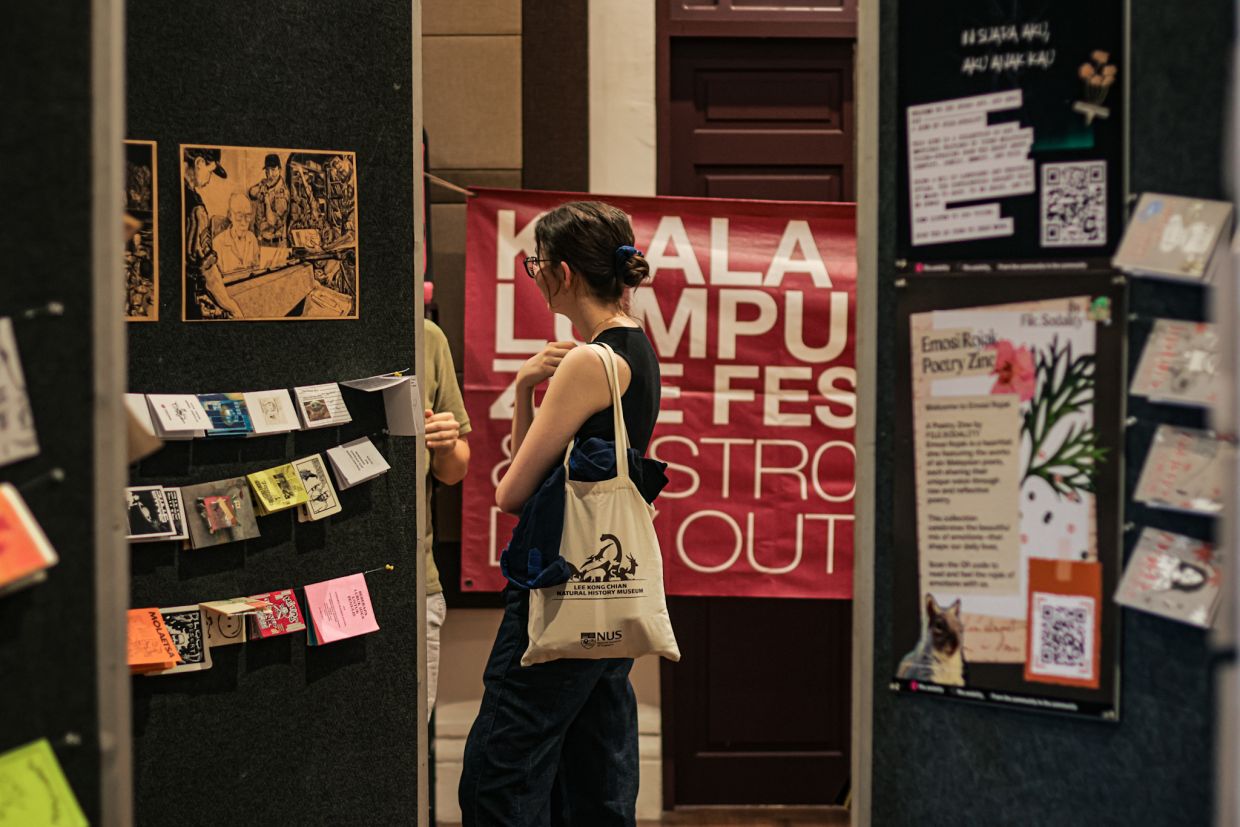
The KL Zine Etc festival is cementing its place as a vital platform for Malaysia's independent creative scene, returning this year with an expanded roster of artists, publishers and makers united around a powerful message of peace. The second edition of the event has nearly doubled its vendor count to over 50 participants, transforming the first floor of a heritage trade hall into a sprawling celebration of zine culture, self-published works and DIY artistic expression that exists entirely outside conventional publishing structures.
Built on the success of its inaugural outing, KLZE has grown into a showcase for a thriving ecosystem of independent creativity that continues to flourish despite—or perhaps because of—its distance from mainstream commercial interests. The festival embodies the merdeka spirit that has long animated zine culture globally: a commitment to artistic autonomy, personal expression and resistance to standardised narratives. This year's expansion reflects growing momentum in the local independent publishing community, with zinesters, printmakers, experimental publishers and artist-book creators finding increased space to present their work to receptive audiences.
The festival's programming spans three days of intensive engagement with DIY culture, featuring zine-focused workshops, hands-on creative sessions, film screenings and live music performances. Central to this year's identity is an anti-war themed exhibition that sets the conceptual tone for the entire event. Rather than addressing conflict in purely geopolitical terms, the organisers have interpreted the anti-war mandate expansively, encompassing the internal struggles that shape individual and collective experience—the conflicts born from mental health challenges, questions of identity, and ideological friction in increasingly polarised times. This thematic breadth invites visitors to consider peace not merely as the absence of military conflict but as a state of internal and interpersonal harmony.
Crucially, KLZE has introduced the concept of "ceasefire zones" to frame the festival's physical and philosophical space. Rather than treating the venue as a commercial marketplace, organisers frame it as a sanctuary for dialogue, contemplation and genuine human connection. These designated zones encourage both vendors and participants to approach reading, sharing and conversation as acts of peaceful resistance and reconciliation. By reimagining a cultural festival through this lens, KLZE positions independent publishing and artistic expression as inherently political acts capable of fostering understanding across difference.
The vendor lineup spans an impressive thematic range, with participating creators and publishers exploring contemporary fanzines, punk aesthetics, folk narratives, indigenous activism, comics, environmental issues, feminist discourse and role-playing games. This diversity reflects the multifaceted nature of contemporary independent publishing, where artists use the zine format to address virtually every conceivable social and cultural concern. Established vendors like Otter Is Reading, Tokosue, Paulitical Art and Gerimis Art sit alongside newer contributors including Kawak Buku, Lost Prints Community Studio and Bang Bang Zines, creating a dynamic mix of established practitioners and emerging voices.
Crucially, KLZE operates as a genuinely national platform, drawing independent publishers and creators from across Malaysia's states and regions. The participation of Kedai Hitam Putih from Kelantan, Pipit Press from Melaka, Shuren Press from Johor, Olivia JD from Sarawak and Borneo Komrad from Sabah demonstrates the festival's commitment to representing the country's geographically dispersed independent publishing landscape. This national reach is particularly significant in a Southeast Asian context where regional disparities in cultural infrastructure often concentrate artistic opportunities in major urban centres. By actively featuring creators from Peninsular Malaysia and East Malaysia, KLZE affirms the validity and visibility of diverse creative voices across the nation.
The festival has also evolved into an important regional meeting point, attracting independent publishers, zinemakers and artists from across Southeast Asia and beyond. Participants from Singapore, Indonesia, the Philippines, Hong Kong, China, Myanmar and Taiwan will converge in Kuala Lumpur, transforming the event into a transnational creative exchange. This regional dimension reflects the reality that independent publishing communities operate across borders, united by shared values around artistic autonomy and alternative storytelling rather than by national boundaries. For Malaysian audiences, this international presence offers exposure to diverse creative traditions and perspectives while positioning the local scene within a broader continental context.
The festival's multilingual offerings reflect this regional character, with displayed and distributed works appearing in Bahasa Malaysia, English, Mandarin Chinese and other languages. This linguistic diversity acknowledges the reality of contemporary Southeast Asian creative communities, where creators navigate multiple linguistic contexts and address audiences across language groups. For Malaysian readers, this multilingual approach mirrors the country's own linguistic plurality and suggests that independent publishing provides a vehicle for voices and narratives that might otherwise struggle to find platforms in commercially-driven media ecosystems.
Organisers emphasise that KLZE aims to create genuine spaces where local and regional zinemakers can encounter one another, share work and forge connections beyond the transactional. The festival framework prioritises the building of meaningful friendships, intellectual exchanges and collaborative possibilities that might extend far beyond the three-day event. This emphasis on relationship-building distinguishes KLZE from conventional commercial book fairs, positioning it instead as an incubator for creative community and future partnerships. For Southeast Asia's independent publishing scene, such connective spaces prove invaluable for sustaining momentum and developing the networks through which alternative culture circulates and evolves.
Practically, entry to the festival costs RM10, with visitors receiving a RM5 voucher redeemable toward zine purchases. This modest pricing strategy reflects the DIY ethos embedded in zine culture itself, ensuring that cost does not become a barrier to participation. The voucher structure directly supports independent publishers and makers, channelling festival revenue back into the community. For Malaysian audiences seeking authentic alternatives to mainstream publishing and a genuine sense of creative community, KLZE offers an increasingly essential gathering point.

