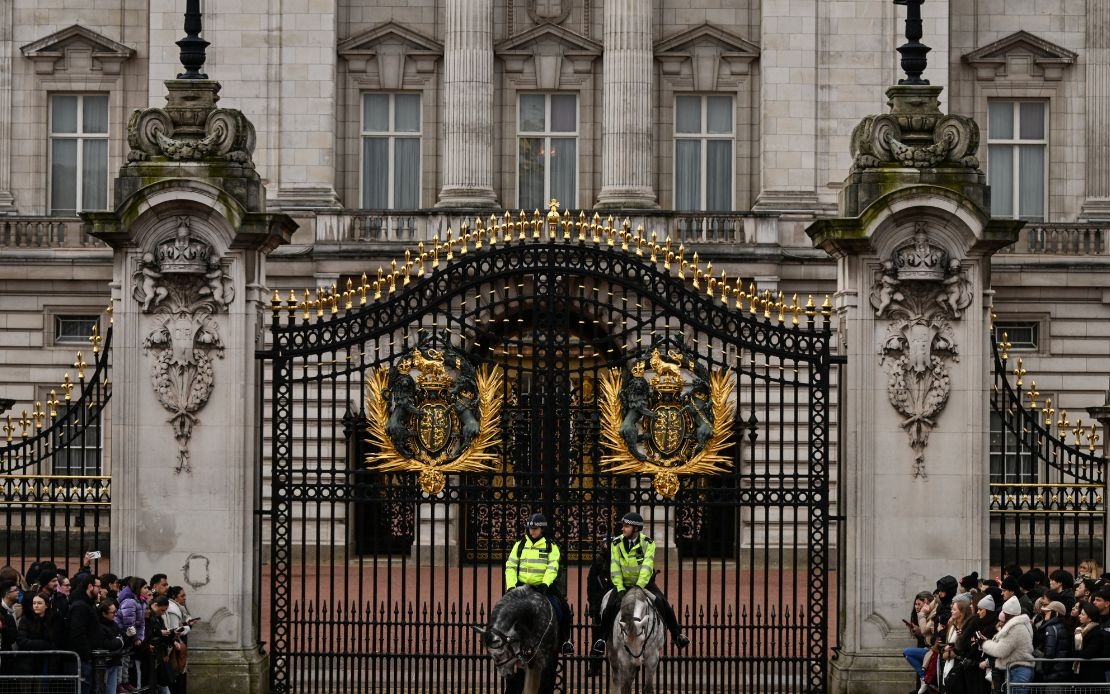
King Charles III and Queen Camilla have clarified their future relationship with Buckingham Palace, confirming the iconic London residence will serve as the ceremonial and official centre of royal operations while remaining closed as a private home. The Royal Household released the announcement on Thursday as part of its annual financial statement, settling questions about the role the palace would play once its extensive renovation programme concludes. The decision underscores the monarchy's commitment to maintaining Buckingham Palace as a working symbol of the British state rather than transforming it into a purely residential retreat.
The monarch and his consort intend to utilise the palace exclusively for hosting state ceremonies, official receptions, diplomatic functions, and other formal events required by the Crown's constitutional role. This arrangement reflects a pragmatic modern approach to royal life, where the distinction between public duty and private residence has become increasingly defined. By designating Buckingham Palace as the ceremonial centre of royal life, the household ensures that one of the world's most recognised buildings continues to serve its primary purpose as the principal workplace of the Royal Household and the focal point for Britain's constitutional monarchy.
For Malaysian and Southeast Asian observers, this decision carries broader significance regarding how Commonwealth realms and traditional institutions adapt to contemporary expectations. The choice to maintain Buckingham Palace in active public use, rather than relegating it to museum status or exclusive royal residence, demonstrates how hereditary institutions can balance heritage preservation with accessibility and democratic values. The palace remains a potent symbol of continuity within the Commonwealth, and decisions about its utilisation ripple through the broader network of royal engagement across member nations, including Malaysia.
The Buckingham Palace Reservicing Programme, a decade-long modernisation project aimed at updating the structure's systems and infrastructure, has now reached its ninth year of implementation. This comprehensive refurbishment addresses aging mechanical, electrical, and plumbing systems that would otherwise compromise the building's functionality and security. The extended timeline reflects both the complexity of maintaining a 775-room structure while keeping portions operational and the meticulous care required when renovating a building of immense historical and cultural significance. Completion of this phase represents a major milestone in ensuring the palace can continue serving official functions for generations to come.
The Royal Household's latest financial disclosures reveal the scale of public engagement through royal venues. During the 2025-2026 financial year, royal palaces hosted 827 distinct events attracting nearly 97,000 guests, demonstrating the continued demand for access to these institutions. These gatherings encompass state banquets, diplomatic receptions, charity functions, and cultural events that extend the monarchy's reach beyond ceremonial duties into broader public life. The substantial number of events hosted annually underscores why maintaining palaces in active operational status remains essential to the Crown's ability to discharge its constitutional and diplomatic responsibilities.
Public funding allocated to the monarchy through the Sovereign Grant has increased to £132.1 million for the 2025-2026 financial year, reflecting both inflation and the costs associated with maintaining multiple occupied royal residences. Within this allocation, £67.5 million has been designated specifically for preserving and protecting the palaces where the royal family conducts official business and occasionally resides. This investment represents a significant portion of public expenditure committed to heritage preservation and institutional maintenance, raising questions about value for money that continue to engage British taxpayers and Commonwealth observers alike.
The allocation reflects the reality that maintaining world-class facilities for state functions requires substantial ongoing investment. Beyond routine maintenance, the funds support security infrastructure, conservation efforts, and the operational systems necessary to host state visits and high-level international engagements. For a nation where the monarchy remains the head of state and symbol of national identity, these expenditures are framed as investments in institutional credibility and the ability to project soft power through ceremonial grandeur and heritage stewardship.
The decision to maintain Buckingham Palace as a working ceremonial centre rather than convert it into a museum or private royal residence addresses ongoing debates about royal property use and public access. By keeping the palace actively engaged in state functions, the household ensures it remains economically justified while fulfilling its historical role. This approach contrasts with alternative models where historic royal residences become heritage attractions under separate management, a distinction that matters for how public resources are allocated and justified.
For Southeast Asian nations maintaining constitutional links to the British monarchy, including Malaysia, the continued vitality of royal institutions in Britain carries symbolic weight. The monarchy's demonstrated commitment to maintaining ceremonial grandeur and public access through prestigious venues like Buckingham Palace reinforces the institution's relevance in an age of democratic accountability. The palace's future as an active ceremonial centre, rather than a monument to past glories, reflects modern thinking about how traditional institutions can remain contemporary while preserving their historical significance and constitutional function.

