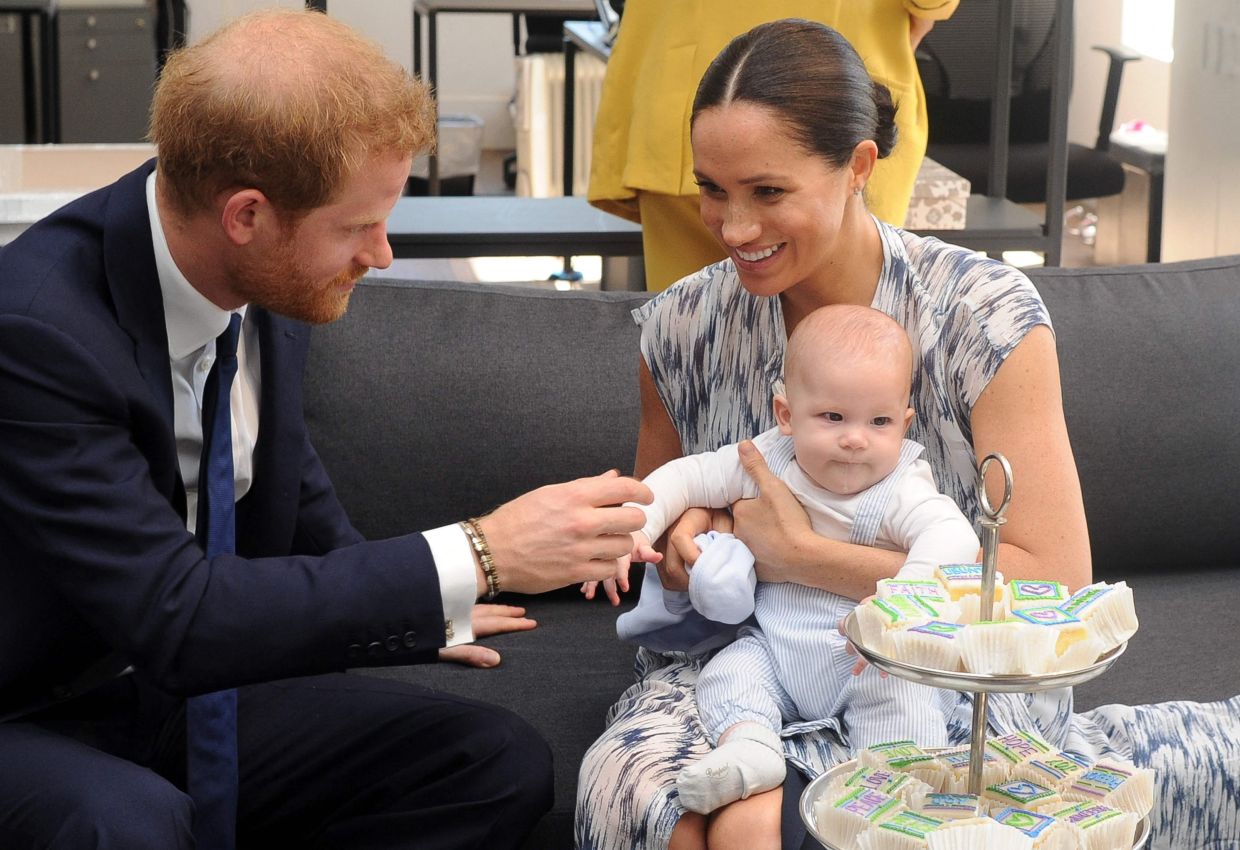
King Charles III brought together his estranged youngest son and his family for the first time in several years on Friday, as both sides attempt to bridge a widening chasm that opened when Prince Harry and Meghan quit their royal responsibilities and relocated to the United States six years ago. The meeting at Highgrove House, a countryside residence located west of London, involved Prince Harry, Meghan, and their children Prince Archie and Princess Lilibet alongside the king and Queen Camilla, according to confirmation from Buckingham Palace.
Harry's return to British soil on July 6 ostensibly centred on attending multiple charity functions, though speculation dominated media coverage about whether reconciliation with his father might occur during his visit. The extended period of separation meant that the possibility of a family gathering had become a matter of intense public interest, with commentators and outlets debating whether Meghan would travel alongside her husband and crucially, whether the couple would bring their children to visit the monarch for the first time in years.
The timing of such an encounter required significant coordination given the rigorous nature of royal scheduling, which typically involves planning commitments years in advance. The practical constraints were substantial—Archie and Lilibet would soon need to return to school before the autumn term, and both children reside permanently in California with their parents, creating a compressed window for meaningful interaction. These logistical realities heightened the pressure to finalise arrangements quickly, intensifying underlying tensions between Harry and royal officials throughout the week.
Those strains became publicly evident when palace representatives first extended an invitation for Harry to stay at Buckingham Palace, only to withdraw the offer when the prince hesitated in accepting promptly. The reversal highlighted the delicate negotiations surrounding the reunion and the weight of expectation accompanying Harry's homecoming. Beyond these administrative complications, Harry faced additional challenges during his visit, culminating in a legal defeat when a judge determined he had failed to substantiate privacy invasion claims against a major British tabloid publisher—a setback that underscored his ongoing frustrations with the media landscape he left behind.
The monarch himself faces health challenges that lend particular urgency to family reconciliation efforts. Charles, now 77, is undergoing treatment for cancer of an undisclosed nature, a reality that has informed Harry's stated desire to repair their fractured relationship. Earlier contact occurred in September when the two men shared tea during a brief London visit, representing their first encounter in more than a year. That interaction, while cordial, provided only limited opportunity for substantive dialogue or family bonding involving the younger generation.
For Harry's children, this visit held special significance. Prince Archie, aged seven, and Princess Lilibet, five, are sufficiently mature to retain memories of their grandfather, having previously encountered him during celebrations surrounding the late Queen Elizabeth II's Platinum Jubilee in 2022. At those earlier gatherings, the children were considerably younger and less likely to form lasting impressions. Now, at ages where memories typically begin taking root, the Friday meeting offered a more meaningful opportunity for familial connection. Although no photographs would be released publicly—the gathering having been designated private—the royal children presumably hoped to create lasting recollections with their grandfather.
The path to this reunion has been fractious and marked by serious breaches of trust and public accusations. When Harry and Meghan initially departed from their royal roles to establish themselves in California, they pursued ambitious media ventures and sought distance from what they characterised as the suffocating pressures of institutional monarchy. Their decision proved controversial within royal circles and prompted significant speculation about their motivations. The situation deteriorated substantially following Harry's publication of an exceptionally candid memoir that contained unflattering portrayals of various family members and forceful indictments of the relationship between the royal institution and British media outlets.
Particulously damaging were Harry's allegations regarding information-sharing practices within the family, where he suggested that senior royals deliberately leaked details about relatives to favourable journalists as part of coordinated image management campaigns. His criticism extended specifically toward Queen Camilla, whom he accused of transmitting confidential conversations to media contacts in order to rehabilitate her public standing following her extramarital relationship with Charles during his previous marriage. These revelations poisoned the atmosphere between the camps and appeared to render reconciliation impossible for an extended period.
Yet developments over recent months have shifted the tenor of discussion. After experiencing a legal defeat concerning security provisions—a matter Harry attributed to punitive treatment from the palace designed to discourage his departure from royal duties—he began publicly signalling openness to rebuilding familial bonds. In an interview with the BBC, Harry declared his willingness to pursue reconciliation despite the accumulated grievances, acknowledging that continued hostility served no constructive purpose. His comments reflected a sobering awareness of his father's mortality, with the prince acknowledging uncertainty about Charles's prognosis and longevity.
The Friday gathering at Highgrove represents a tangible manifestation of that reconciliatory intention, providing concrete evidence that both parties have determined that healing the breach outweighs the considerable difficulties involved. For Southeast Asian observers, this dynamic illustrates how even the world's oldest and most formalised monarchies must navigate contemporary family fractures intensified by generational divides, divergent values regarding public responsibility and personal autonomy, and the complicating influence of global media ecosystems. The meeting suggests that despite profound disagreements and public controversies, institutional pressures and human affection can gradually overcome entrenched positions, though substantive resolution remains uncertain and fragile.

