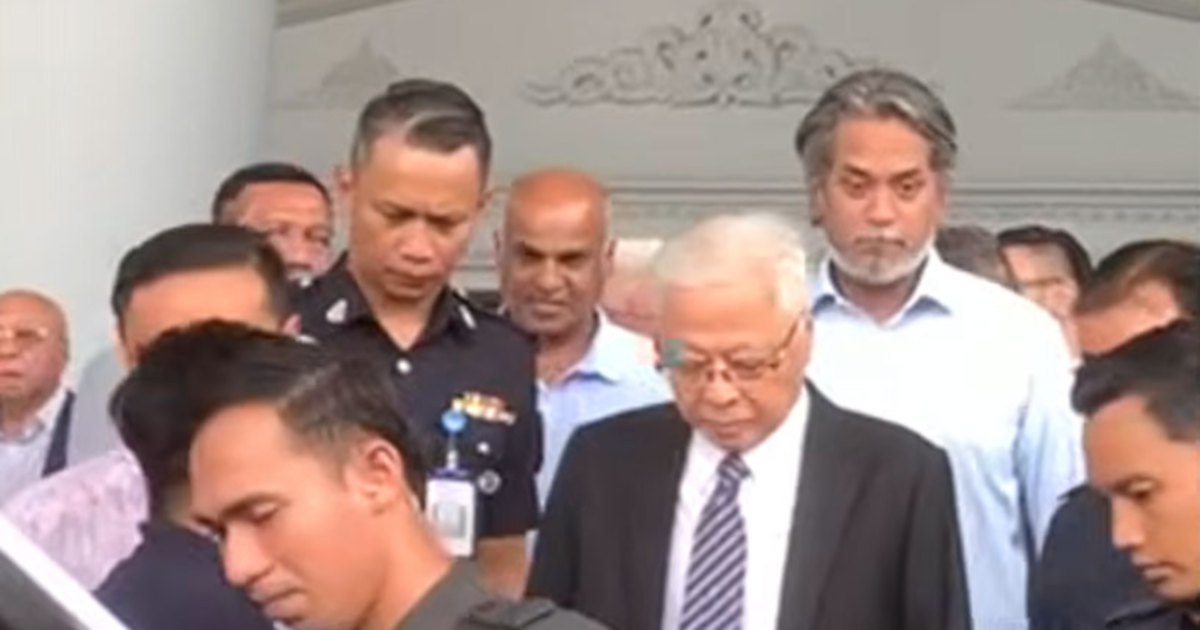
Former Umno Youth chief Khairy Jamaluddin's unexpected appearance at the Kuala Lumpur Court Complex during charge proceedings involving former Prime Minister Datuk Seri Ismail Sabri Yaakob drew considerable attention from observers, signalling a continued show of solidarity within Umno's fractured leadership structure.
The former youth leader's presence at the hearing represents a notable moment in the party's ongoing internal political dynamics, particularly as various factions navigate their positions following recent electoral performance and leadership transitions. Khairy Jamaluddin, who previously held significant influence within Umno's younger cadre, has remained visible in party circles despite shifts in party hierarchy and ministerial appointments in recent years.
Ismail Sabri's legal proceedings have attracted considerable scrutiny from political circles across Malaysia, given his status as a former occupant of the nation's highest office. The appearance of senior party figures at such hearings often carries symbolic weight, demonstrating the nature of relationships and allegiances within party structures at a time when such unity sends important signals to party grassroots and the broader public.
The timing of Khairy Jamaluddin's courtroom appearance reflects broader patterns of how senior Umno figures navigate public perception during legally sensitive periods. Such gestures typically communicate messages about party cohesion and leadership's willingness to stand together during challenging circumstances, though they may also be interpreted differently depending on observer perspective and party factional reading.
Within Umno, generational and ideological differences have created various alignments over the past decade. Khairy Jamaluddin's previous tenure leading the youth wing positioned him as a bridge between different party demographics, though his trajectory has evolved significantly. His continued involvement in high-profile party moments suggests he maintains relevance despite not holding formal leadership positions in the current structure.
The Court Complex gathering drew media and political observers eager to interpret what such public displays might signify about party unity or division. In Malaysian politics, where perception and symbolism often matter as much as substantive policy positions, attendance at such hearings becomes a form of political communication with multiple audiences.
For Ismail Sabri specifically, having fellow senior party members present during legal proceedings provides both practical support and symbolic reassurance to his constituency within Umno. Whether such appearances represent genuine solidarity or more calculated positioning remains subject to interpretation, reflecting the complex nature of factional politics within Malaysia's largest Malay-Muslim political party.
The incident underscores how Malaysian politics continues to operate within frameworks where senior figures maintain influence through networks and personal relationships even outside formal positions. Khairy Jamaluddin's presence serves as a reminder of these enduring connections and the ways key personalities remain relevant stakeholders in party dynamics.
As Umno navigates coalition politics within the ruling Perikatan Nasional arrangement, internal unity becomes increasingly valuable for the party's negotiating position and electoral prospects. Public gestures of support during legally challenging moments for prominent figures contribute to narratives about party strength and cohesion, factors that influence both internal morale and external political calculations.
The broader context matters significantly here. Umno has faced considerable challenges maintaining party discipline and unity across competing factional interests in recent years. Any demonstration of leaders standing together carries implications for how the party manages its image during a period when internal divisions have occasionally become public and damaging to institutional reputation.
Observers of Malaysian politics will likely continue monitoring such developments closely, as they provide indicators of the true state of relationships within Umno's senior echelons. While public courtroom appearances may seem relatively minor events, they accumulate into broader narratives about party stability and leadership cohesion that influence both internal party dynamics and external political calculations among coalition partners and opposition groups.
The incident also reflects how Malaysia's legal system intersects with political life, where high-profile cases involving former national leaders inevitably attract attention and become spaces where political messaging occurs alongside formal legal processes. Such moments reveal the interconnectedness of Malaysia's political and judicial spheres during sensitive proceedings.

