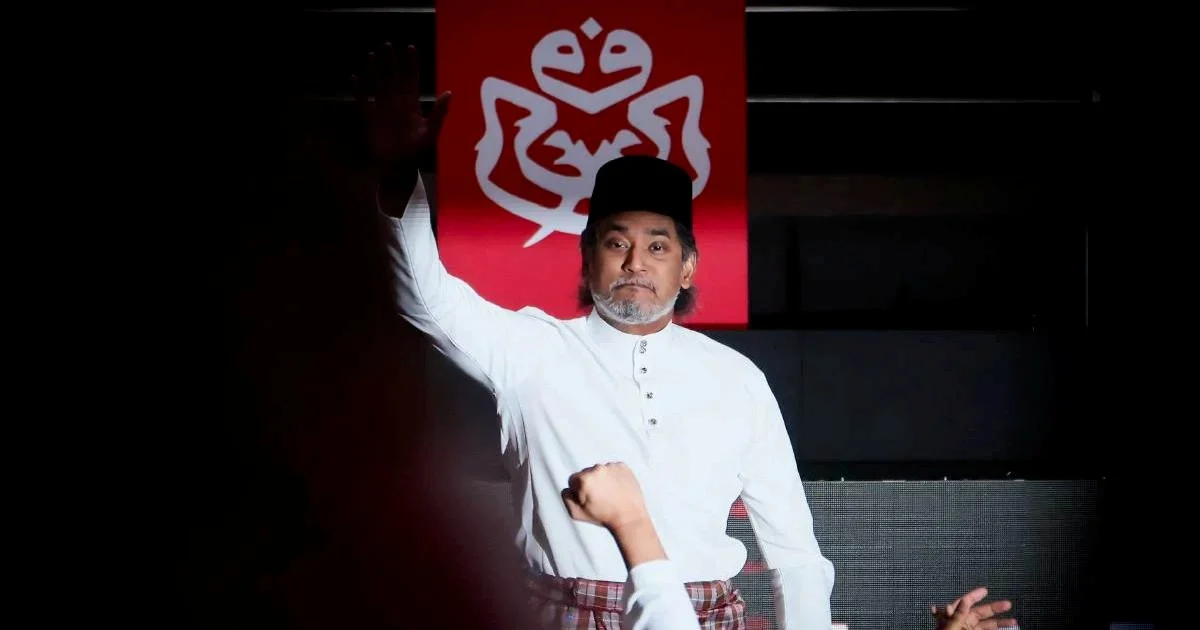
Khairy Jamaluddin, the former member of parliament for Rembau, has chosen to place the question of his political future in the hands of Umno's senior decision-makers rather than announcing his intentions independently. The development comes ahead of the Negri Sembilan state election scheduled for August 1, where the party will be fielding candidates across multiple constituencies in the state.
By deferring to the party leadership, Khairy has adopted a cautious approach that reflects the delicate internal dynamics within Umno as it prepares for the contest. This stance represents a departure from his earlier political trajectory, when he frequently made unilateral announcements about his career moves. The move suggests a recalibration of his relationship with the party hierarchy following his tenure as International Trade and Industry Minister, a position he held until recently.
The Negri Sembilan election represents a significant political test for Umno, which has been working to consolidate its position across the state. The party faces the challenge of balancing its incumbent MPs and state representatives with fresh candidates and those seeking to return to elected office. Khairy's status as a former federal minister gives him considerable appeal to voters but also makes his candidacy a matter of strategic importance to party planners.
The timing of Khairy's decision to defer his candidacy choice is particularly noteworthy. It comes as Umno undergoes internal discussions about seat allocations and candidate selections across multiple constituencies. By stepping back from the decision-making process, he has essentially signalled that he is open to party direction while avoiding the political cost of either declining a constituency or pushing for a particular seat.
For Umno leadership, Khairy's availability presents both opportunities and complications. As a former federal minister with a significant public profile, his presence on the ballot could strengthen the party's electoral prospects in competitive constituencies. However, his political background also comes with certain complexities, including his rivalry with other senior Umno figures and his relatively recent departure from the federal government.
The Negri Sembilan election has assumed greater importance within Umno's broader electoral strategy. The state has been a traditional stronghold for the party, though its control has faced challenges in recent electoral cycles. A strong performance in Negri Sembilan could reinforce Umno's narrative as a dominant force in Malaysian politics ahead of future national elections. Conversely, a poor showing could undermine the party's claims to electoral strength and influence.
Khairy's decision to place the matter with party leadership also reflects the evolving power structures within Umno. The party's top decision-makers must balance the interests of multiple factions and constituencies when determining slate allocation and candidate selection. By deferring to them, Khairy has positioned himself as a team player rather than a contestant, which may enhance his political standing regardless of whether he ultimately contests the Negri Sembilan election.
The former Rembau MP's move has broader implications for how Umno manages its political talent. The party has a significant pool of experienced politicians, many of whom have served in federal or state government. Managing the expectations and ambitions of this group while maintaining party cohesion requires careful handling by the leadership. Khairy's deferential approach suggests he recognises the importance of maintaining good relations with those controlling the party machinery.
For Malaysian voters and political observers, Khairy's stance illustrates the centralised nature of candidate selection within Malaysia's major political parties. While individual politicians may harbour ambitions for particular seats, the ultimate decision typically rests with party leadership. This system has advantages in terms of party discipline but can sometimes result in talented politicians being sidelined due to factional considerations or leadership preferences.
The August 1 election in Negri Sembilan will serve as an indicator of how effectively Umno can mobilise its resources and present a cohesive front to voters. The composition of the party's final candidate list, including whether Khairy will be among those nominated, will signal important messages about the party's strategic priorities and internal balance of power. His continued willingness to defer to party leadership may ultimately prove beneficial to his political prospects within Umno, even if he does not contest the upcoming state election.