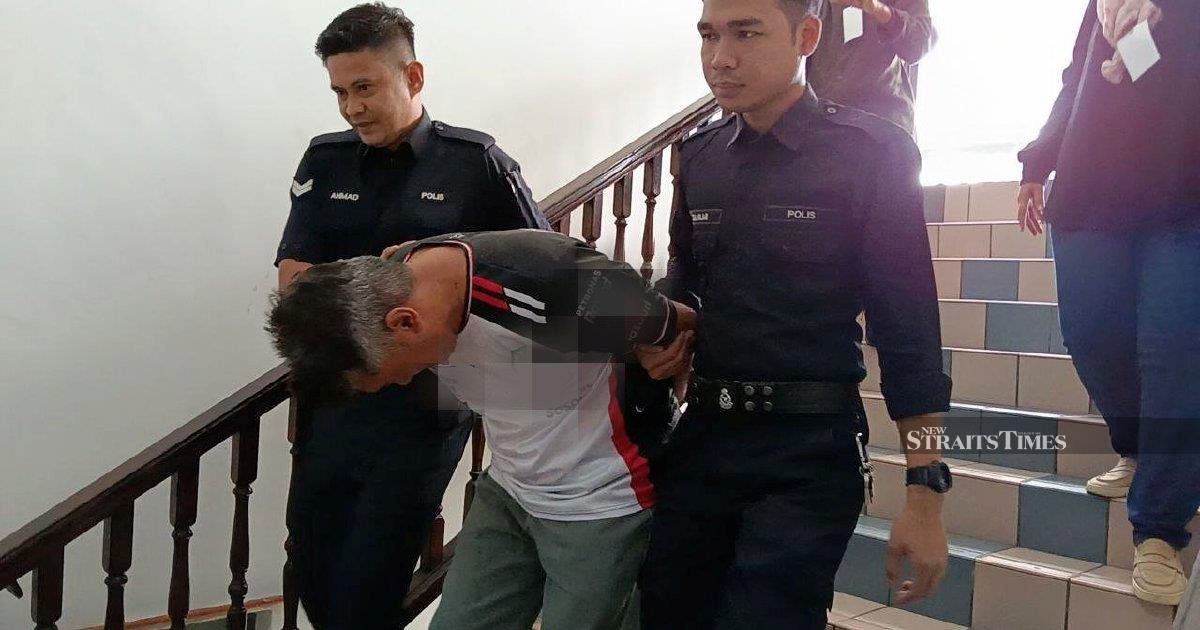
A Melaka merchant who earns her livelihood selling keropok now faces serious charges after authorities claim she deployed a drone to illicitly deliver tobacco products into a high-security correctional facility. The woman appeared before a magistrate in the coastal state last week on two counts: criminal trespass and trafficking contraband into Sungai Udang Prison. The incident underscores an increasingly sophisticated challenge confronting Malaysia's prison administration as inmates and their accomplices resort to unmanned aerial technology to circumvent security protocols.
The use of drones for prison smuggling represents a troubling evolution in inmate supply networks. Rather than relying on conventional smuggling methods such as corrupt officers, visit-time exchanges, or hidden compartments in deliveries, organised networks are now exploiting gaps in perimeter security monitoring. Unmanned aerial vehicles offer a contactless delivery mechanism that minimises personal risk to the smuggler, as the operator can remain at a distance while the drone navigates over prison walls and fences. Tobacco products, which command premium prices within correctional institutions due to scarcity and smoking restrictions, represent a lucrative contraband category that justifies such sophisticated operational methods.
The prosecution of this keropok seller signals that Malaysian authorities have recognised the drone smuggling threat and are taking enforcement action. However, the incident also raises wider questions about the adequacy of current counter-drone detection and interdiction capabilities at Malaysian prisons. Sungai Udang Prison, one of Melaka's major correctional facilities, presumably maintains perimeter surveillance systems, but these may not be optimised to detect small unmanned aircraft operating at altitudes below standard radar coverage. The technological disparity between custodial security infrastructure and increasingly accessible drone technology creates tactical opportunities for smuggling networks.
Tobacco smuggling into prisons carries multiple consequences beyond the immediate disciplinary breach. Tobacco currency in prison economies strengthens the bargaining power of certain inmate factions, potentially exacerbating internal power dynamics and fostering environments conducive to violence or coercion. Access to tobacco also creates leverage that corrupt officials or external supply networks can exploit to extract information or cooperation from inmates. The normalisation of contraband supply chains undermines rehabilitation objectives and institutional discipline, establishing precedents that encourage broader smuggling of progressively more dangerous items.
The prosecution framework appears to rely on both trespass statutes and anti-smuggling legislation. Criminal trespass charges address the unauthorised entry into prison grounds via unmanned device, while the smuggling count directly addresses the trafficking of prohibited goods. Malaysian courts will examine whether the defendant knowingly orchestrated the operation or whether she was a willing or coerced participant in a larger supply network. The distinction matters significantly for sentencing outcomes and whether enforcement efforts will cascade toward identifying upstream organisers.
This case also reflects the broader Southeast Asian context of prison security challenges. Regional correctional systems increasingly confront resource constraints, ageing infrastructure, and evolving criminal sophistication. Drone smuggling has been documented in prisons across Asia-Pacific jurisdictions, yet systematic regional responses remain fragmented. Malaysian authorities could benefit from intelligence-sharing arrangements with counterparts in Singapore, Thailand, and Indonesia regarding drone smuggling methodologies, enabling proactive security upgrades rather than reactive prosecutions alone.
The incident touches on Malaysia's regulatory vacuum surrounding domestic drone operations. While aviation authorities maintain oversight frameworks for commercial and recreational unmanned aircraft, enforcement in remote areas or during clandestine operations remains challenging. Strengthening drone registration requirements, developing geofenced exclusion zones around critical infrastructure including prisons, and enhancing detection technologies could establish meaningful deterrents. Currently, the cost and sophistication threshold for acquiring drone equipment has fallen sufficiently that supply networks view the technology as operationally viable despite legal risks.
For Malaysian prisons specifically, this case necessitates operational and technological reassessment. Sungai Udang and comparable facilities should undergo security audits examining vulnerabilities to aerial intrusion, particularly around perimeters where tree cover or building shadows might obscure detection. Countermeasures might include deploying counter-drone radar systems, establishing drone no-fly zones with active enforcement capabilities, or adapting existing perimeter lighting and surveillance to cover upper airspace. Intelligence functions should map local supply networks and identify which inmate populations or external criminal enterprises possess both motivation and resources to fund drone operations.
The keropok seller's prosecution serves a deterrent function, yet isolated criminal prosecutions rarely solve systemic security vulnerabilities. Rather, this case exemplifies how correctional institutions must evolve defensively as criminal methodology advances technologically. Malaysian authorities should view this incident not merely as an individual transgression but as evidence that prison perimeter security paradigms designed for twentieth-century threats require twenty-first-century technological adaptation.

