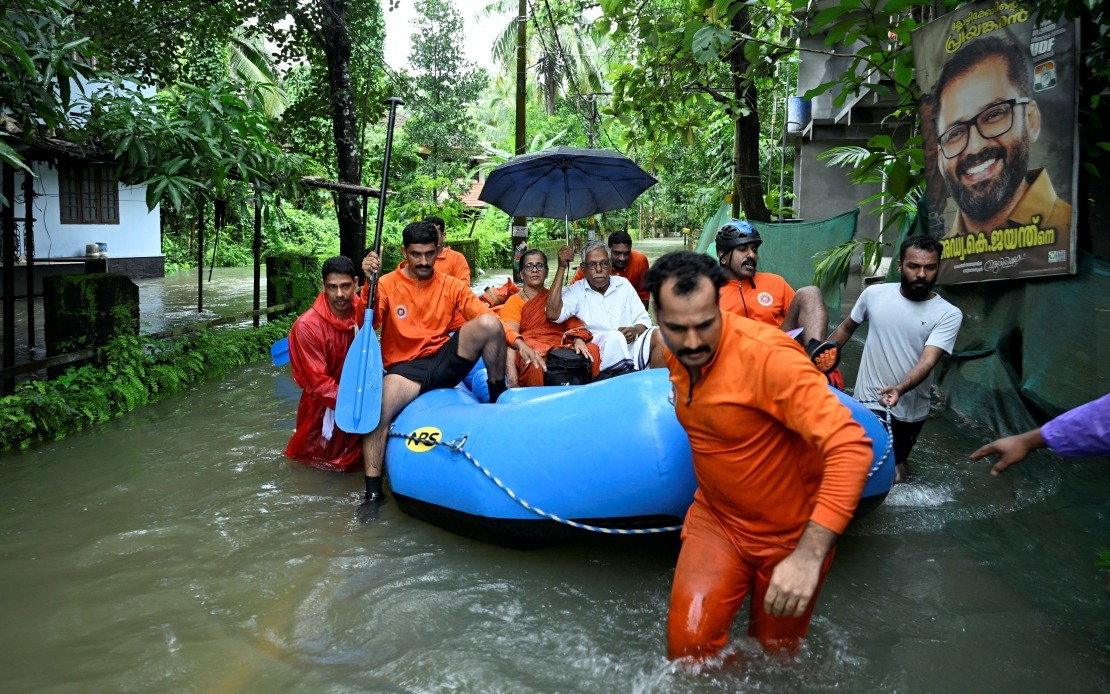
Southern India's Kerala state faces a mounting humanitarian crisis as devastating monsoon rains continue to wreak havoc across the region. State Chief Minister V D Satheesan confirmed on Wednesday that the death toll from rainfall-triggered disasters has reached 26, with an additional 11 people injured and four still missing. The figures underscore the severity of a weather system that has transformed communities across the state into disaster zones within days, highlighting the growing vulnerability of densely populated regions to extreme weather events.
The scale of displacement reveals the intensity of the monsoon's impact on civilian populations. Satheesan disclosed that approximately 27,048 residents have been forced from their homes, overwhelming the state's emergency response infrastructure. To accommodate this sudden refugee population, authorities have established 462 relief camps across Kerala, straining resources and creating logistical challenges for coordinating food distribution, sanitation, medical care, and temporary shelter in overcrowded facilities. This displacement figure raises questions about the adequacy of disaster preparedness systems in major population centres, particularly in monsoon-prone regions where seasonal flooding remains an ongoing threat.
The agricultural sector faces substantial losses that will likely ripple through Kerala's economy and food security outlook. Chief Minister Satheesan reported that crop damage spans 1,882 hectares of farmland, directly affecting the livelihoods of 23,537 farming families. This destruction occurs during critical growing seasons, potentially reducing yields for months and pushing vulnerable agricultural communities deeper into economic hardship. For a state where farming remains integral to rural economies despite rapid urbanisation, such widespread crop loss threatens food prices and farmer incomes across supply chains that feed urban and rural populations alike.
The geographic distribution of the disaster reveals infrastructure vulnerabilities in Kerala's northern regions. Northern parts of the state, particularly the high-range areas of Kozhikode and Kannur districts, have experienced the most intense rainfall since August 1, triggering both flooding in valleys and dangerous landslides in elevated terrain. This dual hazard pattern—combining water accumulation in low-lying zones with slope failures in hilly areas—creates complex rescue and recovery challenges. Floodwaters remain stubbornly high across numerous low-lying communities, with residential structures still submerged, preventing residents from returning home or salvaging possessions. The persistence of inundation suggests drainage systems are overwhelmed or damaged, potentially creating secondary health hazards through waterborne disease risks.
Meteorological forecasts indicate the crisis will intensify before conditions stabilise. India's Meteorological Department has issued an orange alert for Wednesday, the highest warning level below red alert status, signalling widespread and potentially dangerous rainfall ahead. The IMD's bulletin projects that Kerala, coastal Karnataka, and Telangana will experience substantial precipitation through August 11, meaning affected regions face six more days of weather stress. This extended forecast window means rescue and relief operations must intensify precisely when conditions remain treacherous, complicating efforts to reach stranded populations and deliver emergency supplies. The prolonged weather warning also suggests that cumulative rainfall will accumulate to dangerous levels, potentially triggering additional flooding and landslides in already saturated terrain.
State authorities have responded with compensatory measures aimed at easing immediate hardship for affected families. Satheesan announced enhanced relief packages targeting families who suffered fatalities, lost homes entirely, or sustained property damage from flooding and landslides. Though specific compensation figures were not detailed in his remarks, the announcement signals official recognition that recovery will require sustained financial support beyond emergency shelter and food provisions. These measures typically address funeral expenses, temporary housing allowances, and rebuilding grants, though implementation and adequacy remain ongoing challenges in disaster contexts where needs typically exceed budgeted resources.
The Kerala crisis carries implications extending beyond state boundaries into broader South Asian disaster preparedness concerns. Climate scientists and disaster management experts increasingly recognise that monsoonal systems across the Indian subcontinent are becoming more volatile and unpredictable, with intensified rainfall events occurring with greater frequency. Kerala's experience provides a cautionary case study for neighbouring countries including Malaysia, which shares tropical climate characteristics and monsoon seasonality. The state's response mechanisms, resource constraints, and recovery timelines offer lessons for Southeast Asian policymakers considering investments in early warning systems, evacuation procedures, and disaster relief infrastructure.
The human and economic costs of this single weather event underscore the urgent need for climate adaptation strategies across vulnerable regions. With 26 confirmed deaths, thousands displaced, significant agricultural losses, and infrastructure damage still being quantified, the monsoon season demonstrates how quickly natural hazards transform into humanitarian emergencies in populous areas. For Malaysia and other monsoon-dependent economies, the Kerala situation exemplifies risks that economic development and urbanisation can amplify if disaster resilience does not keep pace with growth. The response mechanisms activated by Kerala's government, while substantial, appear stretched by the scale of simultaneous emergencies across multiple districts, suggesting that even moderately resourced state administrations face coordination challenges during major natural disasters.

