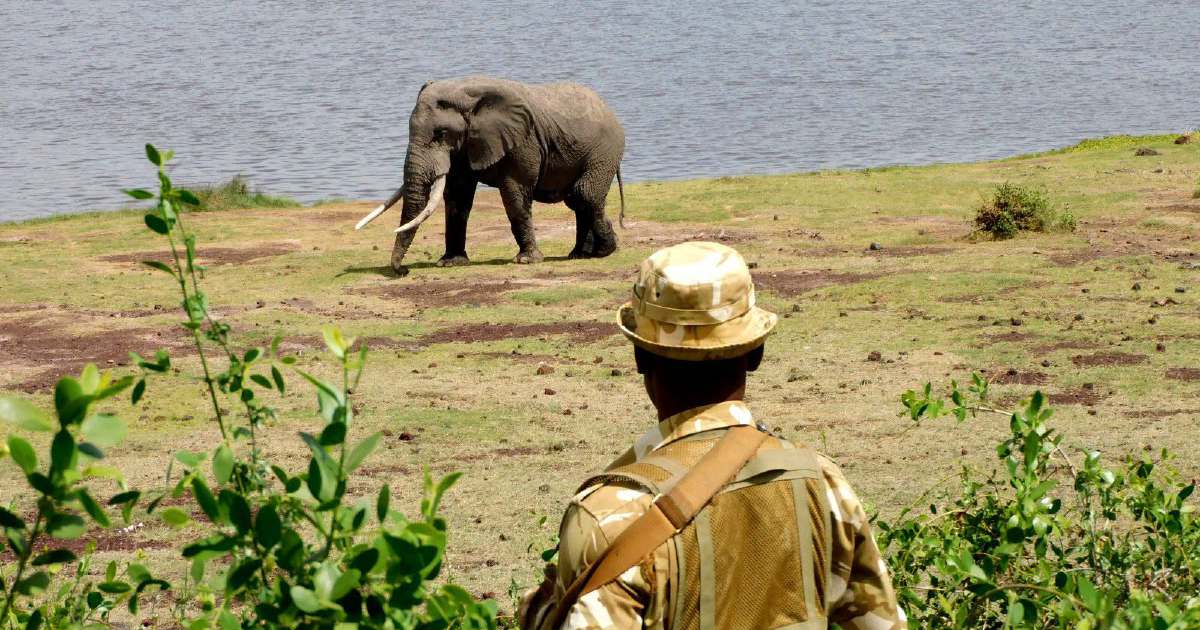
Kenya's wildlife management authorities have launched a formal investigation into a troubling cluster of elephant deaths at Amboseli National Park, where 15 of the protected animals perished within just one month. The Kenya Wildlife Service announced the probe on Tuesday, signalling growing concern over what has become an unexplained mortality event at one of East Africa's most significant wildlife reserves.
Amboseli National Park, located in southeastern Kenya near the border with Tanzania, stands as one of the country's premier destinations for wildlife observation and conservation. The 392-square-kilometre reserve is home to one of Africa's largest elephant populations and serves as a critical refuge for numerous endangered species. The sudden loss of 15 elephants represents a significant blow to the park's elephant herd and has prompted immediate scrutiny from both local and international conservation stakeholders.
The deaths have sparked considerable alarm given their concentration within such a brief timeframe. Wildlife officials typically expect natural mortality in large animal populations, but the clustering of deaths in a single month suggests an underlying common cause rather than isolated incidents. This pattern has led investigators to explore multiple hypotheses ranging from disease outbreaks to poisoning, environmental contamination, or dietary deficiency.
Diseases affecting elephants present one significant line of inquiry. Anthrax has historically posed a threat to elephant populations across the African continent, causing periodic die-offs when environmental conditions favour bacterial proliferation in soil. Other infectious diseases including elephant endotheliotropic herpesvirus and various bacterial infections have similarly affected herds in the region. Laboratory testing of deceased animals will likely form a cornerstone of the investigation, with samples being analysed to identify any infectious agents.
Poisoning remains another serious possibility under consideration. Illegal poaching operations sometimes employ toxins to kill elephants for their ivory, though poisoning whole herds would be atypical. Agricultural runoff containing pesticides or industrial pollutants could also accumulate in water sources relied upon by the animals. The investigation will need to examine water sources, vegetation, and soil composition throughout the park to rule out environmental toxicity.
For Malaysian readers and Southeast Asian wildlife observers, this incident carries particular relevance. The region's own elephant populations—both the Asian elephant subspecies found across Southeast Asia and the now-extinct populations that once roamed the peninsula—face comparable conservation challenges. The causes and circumstances of unexpected elephant mortality in Amboseli offer valuable lessons for regional conservation strategies and wildlife management protocols.
The loss underscores the vulnerability of African elephant populations despite their status as megafauna commanding international protection. Amboseli's elephants are relatively well-monitored compared to populations in more remote regions, yet this incident demonstrates that even closely watched herds face serious, sometimes incomprehensible threats. The park's ecosystem, while protected, exists within a larger landscape shaped by human activity, climate variability, and interconnected biological systems that extend beyond formal park boundaries.
Conservationists emphasize that large-scale elephant deaths, when properly investigated, yield crucial insights into ecosystem health and emerging threats. The findings from this Amboseli investigation will likely inform wildlife management practices across Kenya and potentially throughout the broader East African region. Understanding what caused these deaths could reveal risks that other parks and reserves need to prepare for or prevent.
The Kenya Wildlife Service's decision to conduct a transparent investigation reflects international best practices in wildlife management. Rapid response investigations, coupled with transparent reporting of findings, demonstrate commitment to evidence-based conservation decision-making. Other African nations facing similar wildlife crises increasingly adopt comparable approaches, recognising that data collection and scientific analysis provide essential foundations for effective protective measures.
Climate factors warrant particular attention given Kenya's recent history of severe drought. Prolonged dry seasons stress elephant populations by reducing available vegetation and concentrating animals around limited water sources. Nutritional stress compromises immune function, potentially rendering herds vulnerable to diseases that might otherwise be manageable. The timing and geographical clustering of deaths may yield clues about whether environmental stress played a contributing role.
The incident also highlights the importance of continuous monitoring infrastructure within protected areas. Regular health assessments, population surveys, and environmental sampling create baselines against which sudden changes become immediately apparent. Parks with robust monitoring systems can detect emerging problems far earlier than those relying on periodic surveys, potentially enabling interventions before crises develop.
Stakeholders in Kenya's tourism industry also have vested interest in resolving this mystery promptly. Amboseli's reputation as a premier wildlife destination depends partly on the health and abundance of its elephant populations. A spike in unexplained deaths could concern potential visitors and damage the park's standing, with economic consequences for local communities dependent on tourism revenue.
As the investigation proceeds, the Kenya Wildlife Service will likely engage international experts and research institutions to assist in determining the cause of death. Comprehensive necropsies, toxicological analyses, and epidemiological investigations will provide the evidence base necessary to implement targeted responses. Whether the deaths resulted from natural disease, environmental contamination, human-caused harm, or an unforeseen combination of stressors, the findings will contribute significantly to continental conservation knowledge and inform protective strategies for vulnerable elephant populations across Africa and beyond.

