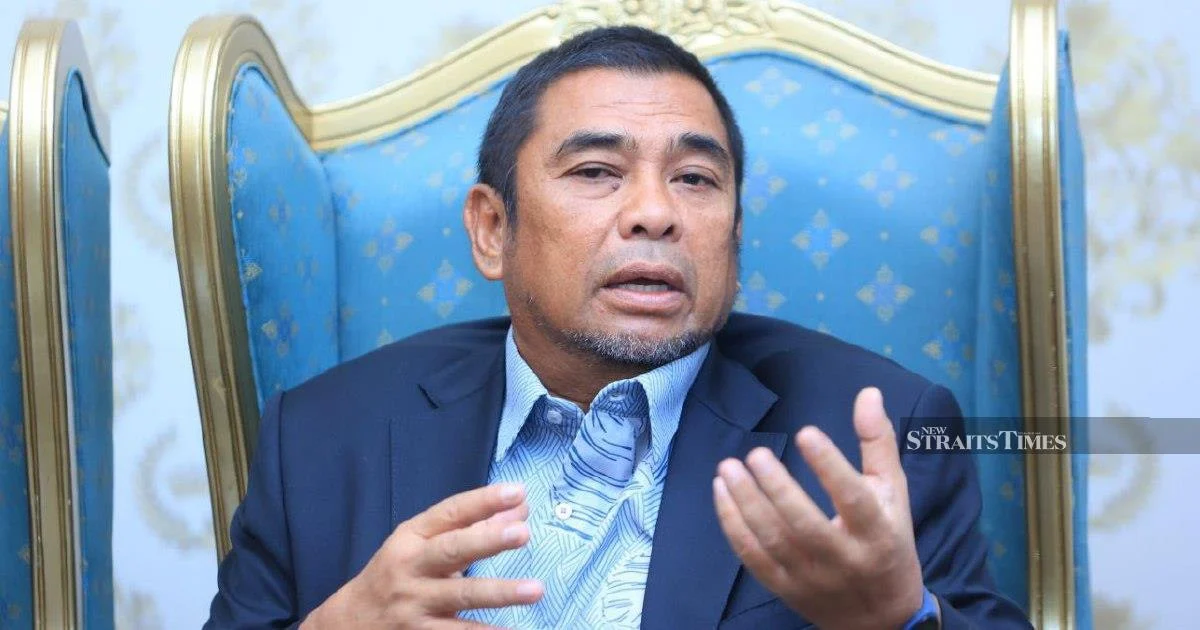
Kelantan Umno leadership has seized upon Pas's latest directive to its membership as evidence that longstanding accusations of collaboration between the two Malay-Muslim parties were nothing more than calculated political attacks. The party's response centres on Pas's instruction that members should actively support Barisan Nasional candidates competing in the forthcoming Johor state election, which Kelantan Umno interprets as a tacit admission that the "Umdap" label—a reference to alleged Umno-Pas alignment—lacked substantive foundation.
The "Umdap" accusation has dominated Malaysian political discourse for years, with opposition figures using the term to characterise what they describe as secret understanding or coordinated strategy between Umno and Pas despite public antagonism. Umno leaders have consistently denied the charge, characterising such allegations as baseless opposition rhetoric designed to undermine public confidence in both parties. The framing of Pas's Johor directive by Kelantan Umno representatives suggests they view the instruction as contradicting the very premise of the Umdap narrative—that these parties secretly work in tandem.
The Johor state election represents a critical political battleground where multiple coalitions are competing for voter mandate. By directing members to support BN candidates rather than fielding their own representatives or backing other coalition partners, Pas appears to be making a strategic calculation about electoral viability and political positioning. For Kelantan Umno, this development provides an opportunity to reframe the party's relationship with Pas in public discourse, moving away from defensive posturing to a more assertive stance on political legitimacy.
The timing of Pas's directive carries particular significance within Malaysia's complex political ecosystem. The party has historically maintained independence from BN despite periodic tactical alliances at state and federal levels. Recent years have seen shifting alliances and realignments across the Malaysian political landscape, with various coalitions forming and reforming in response to electoral opportunities and internal party dynamics. Pas's decision to direct member support toward BN candidates in this instance reflects broader calculations about competitive positioning and electoral mathematics in Johor.
Kelantan Umno's interpretation of these events reveals the ongoing struggle for political narrative control among major Malaysian parties. Rather than engaging with substantive policy differences or governance records, both parties appear focused on using electoral developments to score rhetorical points against their opponents. This reflects the intensely competitive nature of Malaysian politics, where perceptions of alignment or betrayal can significantly influence voter behaviour and party loyalty across constituencies.
The "Umdap" controversy has particular resonance in Kelantan, where Pas currently holds the state government while Umno represents the national ruling coalition. The state-level dynamics add complexity to national political narratives, as local governance records and constituency-level relationships often diverge from broader coalition messaging. Kelantan voters have repeatedly demonstrated willingness to support Pas despite national BN alignment, suggesting that local factors often override broader coalition dynamics in determining electoral outcomes.
For Malaysian observers tracking coalition politics and strategic partnerships, Pas's Johor directive raises broader questions about the stability and logic of political alliances. If Pas is willing to direct members to support BN in Johor, this invites scrutiny about the basis for such cooperation and whether it reflects principled alignment or pragmatic opportunism. Similarly, Kelantan Umno's eagerness to cite this as evidence against the Umdap label suggests both parties recognise how fundamentally this accusation damages their public legitimacy and internal party cohesion.
The Johor election itself carries implications extending beyond the state itself. As Malaysia's southernmost mainland state and a major economic contributor, Johor's electoral outcome influences national political momentum and can reshape coalition calculations for future federal-level elections. All major coalitions are likely investing significant resources in the campaign, making any evidence of tactical coordination between parties—or efforts to rebut such accusations—especially noteworthy.
Kelantan Umno's rhetorical strategy here represents an attempt to convert a Pas directive into evidence of innocence regarding long-standing accusations. However, critics might argue that directing members to support the opposition coalition's candidates, rather than standing candidates independently or backing fellow coalition partners, equally validates claims of tactical coordination. The interpretation of Pas's directive ultimately depends on one's prior assumptions about Umno-Pas relationships and the credibility of either party's public statements regarding their political relationships.
As Malaysian politics continues evolving through electoral cycles and coalition realignments, narratives about secret understandings and hidden coordinations will likely persist. Both Umno and Pas face ongoing challenges in establishing credibility with voters sceptical of their public pronouncements. For regional observers tracking Malaysian political trends, these developments illustrate how electoral competition remains fundamentally shaped by historical grievances, coalition dynamics, and competing narratives about political legitimacy rather than policy substance alone.

