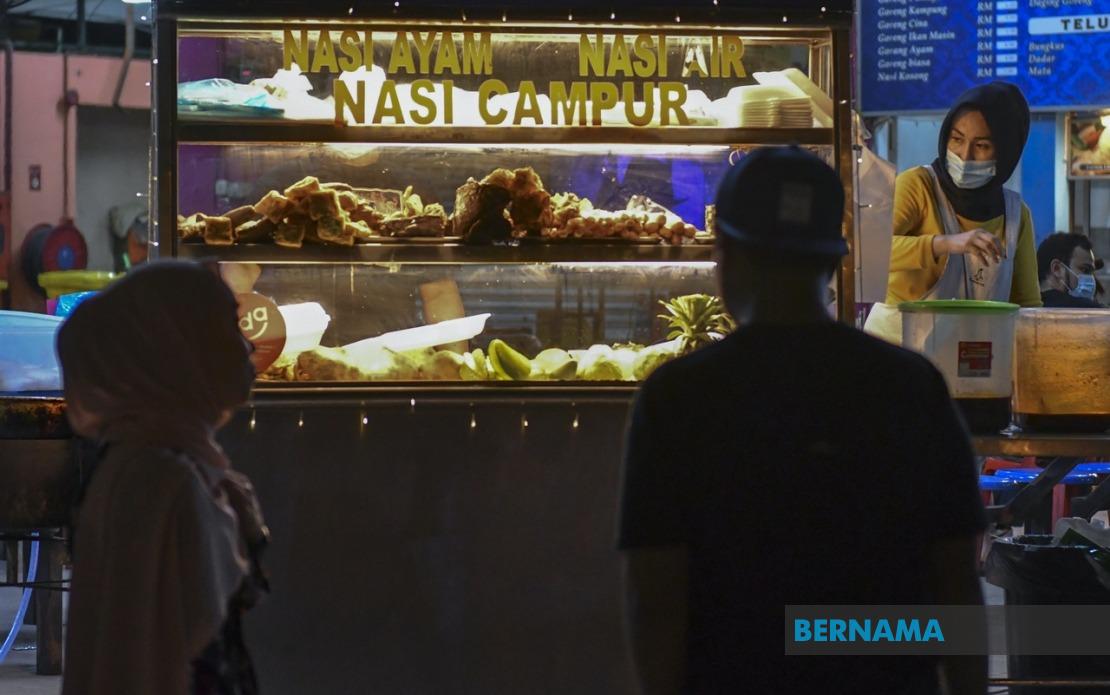
The Kelantan state government has pledged to strengthen its oversight of food establishments across the state, responding to growing public concerns about whether operators are maintaining proper halal standards. The commitment comes after allegations circulated widely on social media platforms, prompting questions about compliance in the catering sector, particularly among premises run by non-Muslim entrepreneurs serving Muslim customers.
Mohd Asri Mat Daud, who chairs the Kelantan Islamic Development, Dakwah, Information and Regional Relations Committee, announced the intensified monitoring approach during a press briefing following a halal certification ceremony in Kota Bharu on July 15. He emphasised that the state administration takes such allegations seriously and recognises the imperative to maintain consumer confidence in the halal ecosystem. The preliminary stage involves gathering comprehensive information before escalating enforcement measures, he explained, indicating a cautious but determined response to the allegations.
The enforcement infrastructure already exists within the state apparatus, with the Kelantan Islamic Religious Affairs Department holding primary responsibility for such oversight. Mohd Asri's office intends to work collaboratively with this department to coordinate investigations, pooling resources and expertise to ensure thorough examination of implicated premises. This interagency coordination reflects the gravity with which state leadership views potential breaches of shariah compliance in the food sector.
At present, Kelantan authorities have not received formal complaints through official channels regarding the specific allegations that sparked the social media discussion. Mohd Asri noted that when complaints do arrive, they will be processed according to established investigative procedures, ensuring due process and accountability. This measured stance balances the urgency of public concern with the need for verified evidence before taking enforcement action.
The allegations reportedly emerged from a Facebook disclosure detailing the halal certification status of several food operations owned by non-Muslim operators. These establishments reportedly attract Muslim clientele, creating a situation where religious compliance becomes particularly important for maintaining consumer trust. The viral nature of the posts suggests widespread anxiety among Muslim consumers about whether their food purchases align with shariah requirements, a concern that resonates across Malaysia's Muslim-majority population.
Mohd Asri issued a direct caution to food business operators, reminding them that the pursuit of financial profit cannot supersede the obligation to maintain shariah compliance. Such lapses, he warned, erode Muslim consumers' confidence in the food industry and potentially damage the reputation of the entire sector. The message carries an implicit acknowledgment that some operators might be tempted to cut corners on religious compliance to improve margins, necessitating both vigilance and persuasion.
The state government simultaneously launched an encouragement campaign for food premises to pursue Malaysia's formal halal certification scheme. Officials cited an efficiency target of processing applications within 30 days, contingent upon the applicant's organisational readiness and adherence to prescribed requirements. This incentive-based approach complements the enforcement angle, offering operators a pathway to demonstrate commitment to halal standards while benefiting from official recognition that strengthens market position.
Mohd Asri also appealed directly to the consuming public, urging greater discernment regarding the halal credentials of premises they frequent. This public education dimension acknowledges that consumer behaviour influences market dynamics—establishments earning Muslim customer loyalty through transparent halal compliance gain competitive advantage, while those perceived as non-compliant face reputational and commercial consequences. Informed consumers thus function as informal monitors of halal standards.
The situation illustrates broader dynamics within Malaysia's food industry, where the intersection of commercial operation and religious requirement generates recurring tension. Non-Muslim entrepreneurs often serve predominantly Muslim customer bases, creating legitimate questions about their familiarity with and commitment to shariah food laws. These questions intensify when social media allows rapid dissemination of allegations, sometimes with incomplete verification, triggering official responses and public anxiety simultaneously.
For Malaysian consumers and businesses, particularly in Kelantan, the intensified inspection regime signals clearer expectations around halal compliance documentation and practice. The development carries implications extending beyond Kelantan, as other states observe how the administration addresses similar concerns. The episode underscores that formal halal certification, while available, remains insufficiently universal across the food sector, leaving gaps where consumer doubt can flourish.
The Kelantan government's response combines enforcement strengthening with certification encouragement, attempting to address both the immediate allegations and systemic gaps that permit compliance questions to arise. Success will depend on whether intensified inspections yield meaningful improvements in verifiable standards and whether operators respond to the certification incentives. Ultimately, the approach reflects official recognition that maintaining halal integrity requires sustained institutional vigilance rather than episodic responses to viral allegations.

