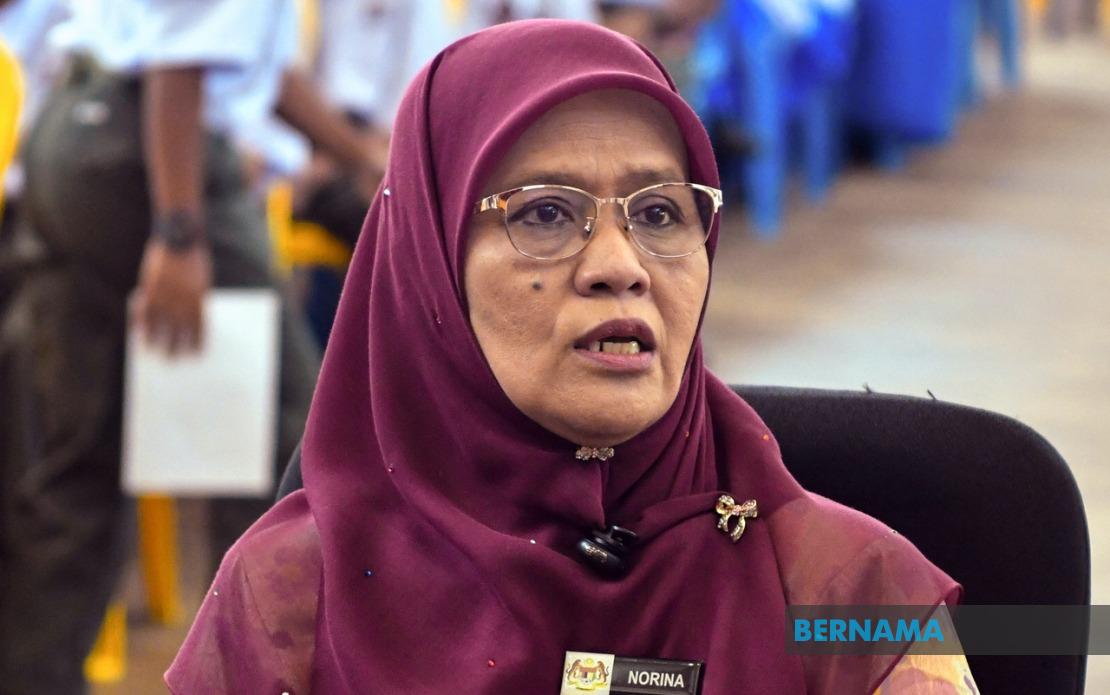
The Kelantan State Education Department has drawn a clear line between innocent banter and harmful conduct, declaring that rough horseplay culminating in student injuries amounts to bullying and should be eliminated from schools. Siti Norina Muhamad, the department's director, made the pronouncement while officiating the conclusion of the Hibiscus Student Safety Campaign at Sekolah Menengah Sungei Petai in Pasir Puteh, an event that brought together more than 500 students from seven secondary schools across the district.
The distinction matters because what many students dismiss as playful teasing or joking can rapidly escalate into serious harm, Siti Norina explained to journalists. She stressed that school administrators and educators must intervene when physical roughness enters the equation, regardless of whether participants frame their actions as humorous or innocent fun. This clarification addresses a grey area that often confuses young people and parents alike: determining when peer interaction crosses from acceptable behaviour into misconduct that violates bullying policies.
Siti Norina emphasised that student protection at school constitutes a non-negotiable priority for the Kelantan education system. The department has rolled out multiple initiatives and forged partnerships with external organisations to fortify safety protocols across institutions. This multifaceted approach reflects growing recognition that school safety demands coordinated effort rather than isolated interventions by teachers alone. The Pasir Puteh campaign exemplifies this strategy, bringing together government education staff and private sector partners to convey safety messaging directly to students.
Contemporary school safety challenges extend well beyond playground incidents, Siti Norina noted, encompassing physical, emotional, mental, social and digital dimensions. Modern students navigate risks that previous generations barely encountered, from cyberbullying conducted across social platforms to deliberate circulation of false information designed to manipulate opinion. Sexual crimes targeting young people, drug distribution within school communities, and the misuse of social media for harassment represent additional threats that demand institutional response and student awareness.
Equipping students with safety knowledge and decision-making capability has become essential, similar to literacy and numeracy skills in previous eras. Today's generation requires education in recognising dangerous situations, understanding appropriate responses, and seeking help from trusted adults when needed. Schools must teach not merely academic content but the practical wisdom necessary to navigate an increasingly complex and risky environment. This reframing positions safety education as foundational rather than supplementary.
The education department's emphasis on comprehensive wellbeing reflects broader understanding that safety encompasses more than preventing physical accidents. Emotional security, mental health support, social connection, and digital literacy all contribute to the complete picture of a secure learning environment. When students experience cyberbullying, witness misinformation campaigns, or encounter inappropriate content online, their overall wellbeing suffers even without physical injury. Schools addressing safety must therefore span these multiple domains.
Siti Norina underscored the necessity of involving diverse stakeholders in the safety agenda. Government agencies, private companies, non-governmental organisations, and community groups all play roles in creating protective environments for young people. No single institution possesses sufficient resources or expertise to address every threat. The collaborative model demonstrated through the Hibiscus campaign illustrates how coordinated effort strengthens effectiveness. HSSE Hibiscus Malaysia, the safety and worker welfare division bringing the campaign to schools, approached the initiative as corporate social responsibility directed toward community benefit.
The private sector partner's involvement carries particular significance. Ir Mohd Azwani Abdul Rani, safety and worker welfare manager for HSSE Hibiscus Malaysia, articulated the company's belief that safety culture development should commence during school years rather than waiting until workers enter employment. This preventative philosophy suggests that habits, attitudes, and reflexes developed during adolescence shape adult behaviour. Students who internalise safety practices and values during secondary education carry that orientation forward, ultimately creating workforces with stronger safety consciousness and reduced accident rates.
For Malaysian education stakeholders, the Kelantan department's stance carries important implications. As schools across the country grapple with bullying in various forms, clarifying that physically injurious roughplay constitutes bullying rather than acceptable joke-telling provides administrators with firmer ground for intervention. Parents likewise benefit from this framework when assessing their children's peer interactions. The distinction prevents normalisation of conduct that causes actual harm while preserving space for the humour and playfulness that characterise healthy youth development.
The Pasir Puteh campaign reaches a critical audience at a vulnerable time. Secondary school students, particularly in early years, undergo rapid physical and social development while experimenting with identity and social roles. Peer acceptance becomes paramount, sometimes leading students to tolerate or participate in rougher conduct than they find comfortable, rationalising it as joking. Educational campaigns that validate students' right to refuse participation in physically risky activities may empower them to set boundaries with peers more effectively.
Looking forward, the Kelantan education department's framework suggests that school safety initiatives must evolve beyond traditional focus on accident prevention toward encompassing interpersonal harm, digital threats, and psychological wellbeing. The integration of safety messaging across multiple platforms and age groups, with involvement from both government and private partners, indicates commitment to sustainability. As other states consider their own safety agendas, the Kelantan model demonstrates that comprehensive approaches incorporating diverse stakeholder participation and addressing contemporary challenges yield stronger outcomes than isolated programs.

