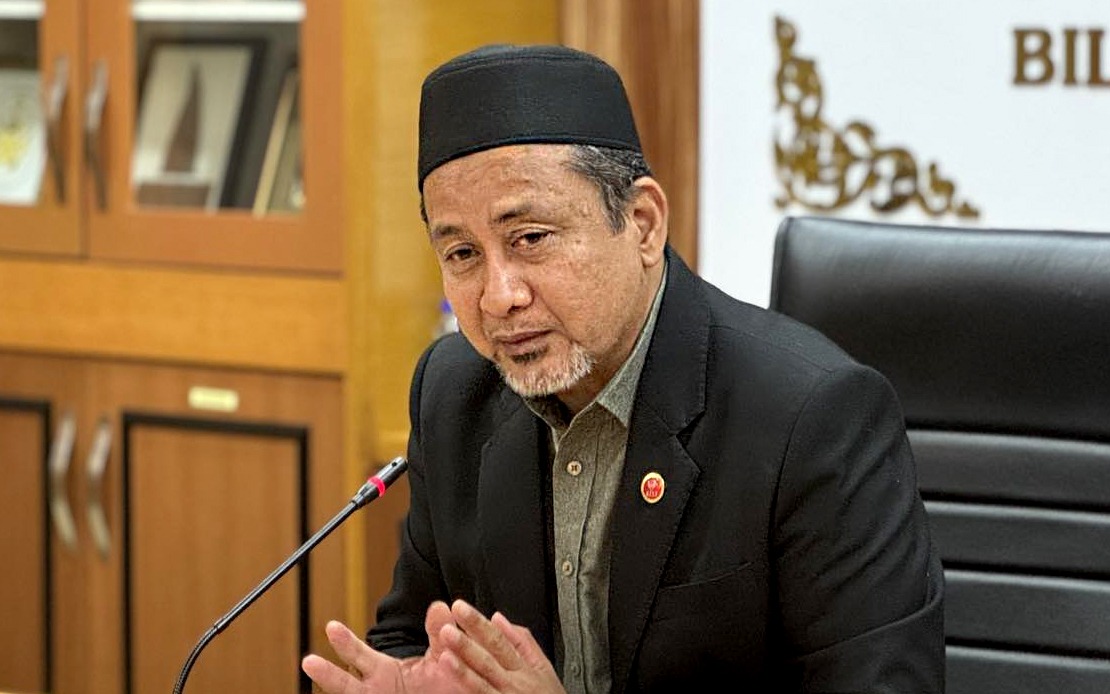
The Kelantan Sports Council has partnered with Yayasan Kelantan Darulnaim to create an integrated support framework designed to help gifted athletes balance competitive sport with higher education pursuits. The programme represents the state government's recognition that athletic development must coexist alongside academic achievement, rather than operate in isolation from it. By formalising this dual-track approach through direct collaboration between the sports authority and the state foundation, Kelantan is attempting to address a persistent challenge in Malaysian sports: the difficulty young athletes face in sustaining their education while training at elite levels.
Zamakhshari Muhamad, the State Youth, Sports, NGOs and Community Unity Committee chairman, outlined the scope of this educational initiative when discussing the partnership recently. According to him, the scheme targets athletes who wish to enrol at public universities, providing both loan facilities and scholarship opportunities to ease the financial burden of tertiary education. This targeted focus on public institutions signals the state's investment in developing human capital within the national higher education system rather than encouraging talent flight to private alternatives. The initiative also extends academic recognition beyond university level, with specific incentives reserved for athletes who achieve outstanding results in the Sijil Pelajaran Malaysia and Sijil Tinggi Persekolahan Malaysia examinations.
The support structure extends considerably beyond tuition assistance. Under the Special Programme administered by the Kelantan Sports Council, qualifying athletes receive monthly allowances through the Imtiyaz scheme, designed to cover living expenses and reduce the financial strain of competing at high levels. Competition funding is provided to cover participation costs in both domestic and international tournaments, removing a significant barrier that often forces talented athletes to withdraw from events due to budget constraints. Additionally, the programme supplies sports equipment and nutritional supplements directly, ensuring that athletes have access to the material resources necessary for optimal training and performance.
The holistic nature of athlete support extends into personal welfare dimensions that reflect broader social responsibilities. The state government provides targeted assistance during challenging life circumstances, including natural disasters, accidents, marriage, and bereavement. This welfare component acknowledges that athletic careers exist within the context of real human lives subject to unpredictable events, and that adequate support systems can mean the difference between an athlete continuing their development or being forced to abandon their pursuit due to personal hardship.
Zamakhshari emphasised that the design of these initiatives specifically creates space for athletes to excel academically without sacrificing their sporting ambitions. This dual-excellence model responds to a common criticism of Malaysian sports development: the tendency to prioritise athletic achievement at the expense of education, leaving athletes vulnerable to career disruption if injury, burnout, or changing circumstances interrupt their sporting trajectory. By institutionalising educational support alongside athletic funding, Kelantan is creating a more resilient pathway for young talent.
The initiative operates through a coordinated network of strategic partners that reflects the multisectoral nature of modern sports development. Involvement from the National Sports Council, state education and youth and sports departments, and both public and private higher education institutions demonstrates that success requires coordination across government agencies and educational providers. This partnership architecture suggests recognition that sustainable athlete development demands alignment across different institutional silos that typically operate independently.
For Malaysian athletes from Kelantan, the practical implications are significant. Many young sports talent face the genuine dilemma of choosing between pursuing competitive excellence and securing educational credentials that protect their long-term employment prospects. By reducing the financial friction between these two priorities through loans, scholarships, and direct stipends, the state government is removing one major obstacle that prevents talented individuals from fully developing their potential. This is particularly meaningful for athletes from less affluent backgrounds who might otherwise lack the family resources to support simultaneous sporting and educational advancement.
The scheme also reflects emerging sophistication in how state governments approach sports policy. Rather than simply investing in training facilities or competition funding, Kelantan is recognising that comprehensive athlete development requires attention to the economic, social, and educational dimensions of an athlete's life. This represents a maturation of sports administration that moves beyond the stadium to encompass the fuller ecosystem within which athletes operate.
Zamakhshari's expressed hope that these facilities will catalyse excellence across sports, education, and personal development suggests the state is measuring success not merely through medal counts but through the broader life outcomes of participants. This perspective aligns with international best practice in athlete support, which increasingly acknowledges that the value of sports systems should be evaluated against their capacity to develop well-rounded individuals prepared for successful transitions into post-athletic careers.
The timing of this initiative also reflects broader regional developments in Southeast Asian sports policy. Several countries in the region are investing more substantially in athlete welfare and education, recognising that sustained competitive advantage requires developing the human capital associated with sport. Kelantan's approach positions the state within this regional trend while responding specifically to local circumstances and needs.

