Keigo Higashino, one of Asia's most prolific and influential mystery writers, has passed away following a career that fundamentally transformed how Japanese crime fiction is understood both domestically and internationally. The celebrated author's death on Thursday prompted an immediate outpouring of tributes from fellow writers, actors, and readers across multiple continents, underscoring the remarkable reach his literary influence had achieved over more than four decades of creative output.
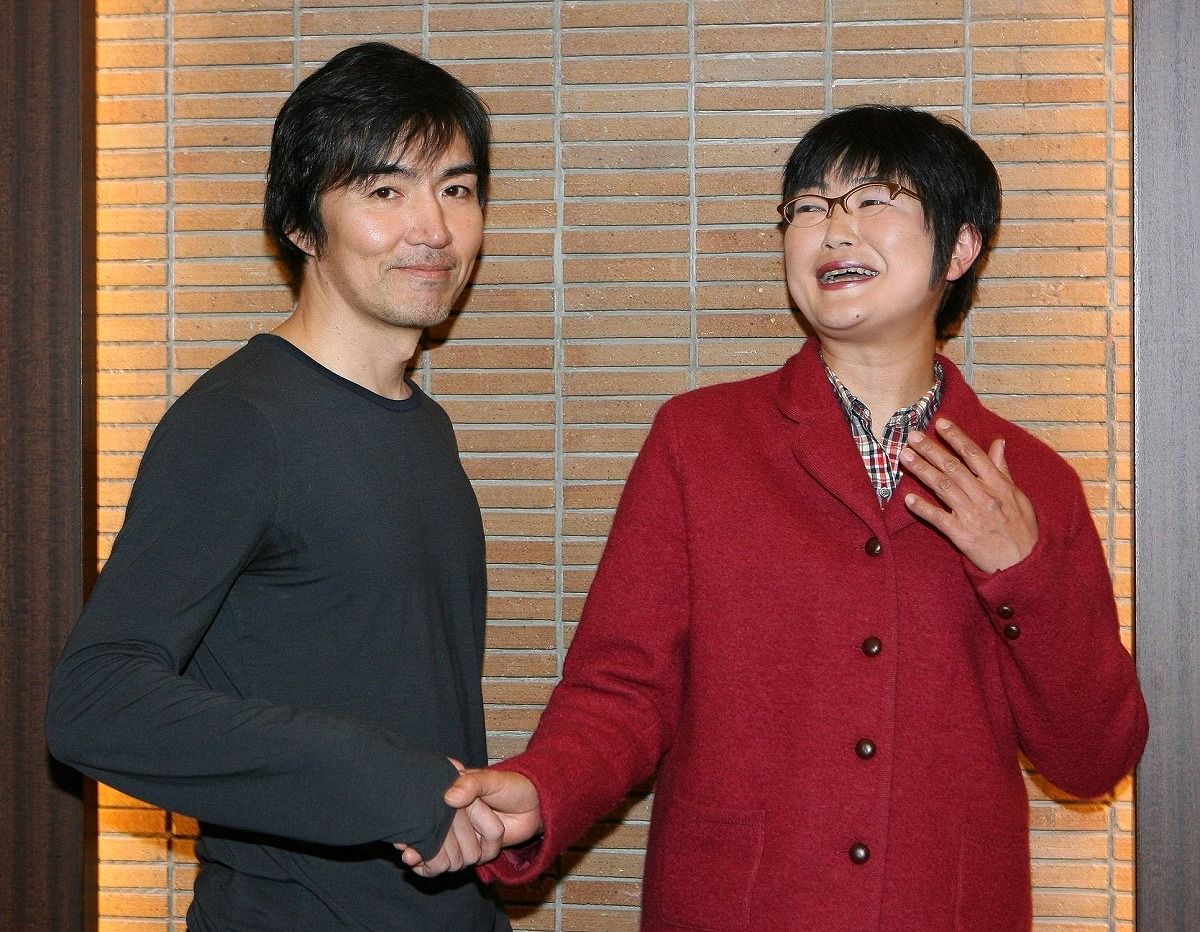
Highashino's impact on Japanese popular culture extended far beyond the written page. His numerous bestselling novels were frequently adapted into films and television series that became cultural phenomena in their own right. The Detective Galileo franchise, perhaps his most celebrated creation, emerged as a particularly successful television and cinematic venture. This series featured a brilliant physicist protagonist navigating intricate criminal mysteries, a concept that allowed Higashino to blend scientific intrigue with human drama in ways that resonated deeply with audiences. The franchise's visibility was significantly elevated through its lead actor Masaharu Fukuyama, whose portrayal of the detective became iconic throughout East Asia, with Ko Shibasaki also featured prominently across various iterations.
Fukuyama's tribute following Higashino's death captured the complex relationship many performers developed with the author's work. The actor expressed his hope to remain enchanted by the stories Higashino had created, acknowledging his dual role as both a character interpreter and devoted reader. This sentiment reflected a broader truth about Higashino's legacy: his narratives possessed sufficient depth and emotional complexity to engage audiences on multiple levels, whether encountered through literary form or adapted media.
Highashino's 106th book, Euen no Kioku, translatable as Eternal Memory, represents a continuation of the Detective Galileo series and was scheduled for publication on August 5, demonstrating the extraordinary pace at which he maintained literary production throughout his career. His colleague Bin Konno, who currently serves as president of Mystery Writers of Japan, inherited leadership of this prestigious organization partly due to Higashino's towering influence within Japanese literary circles. Konno remembered the late author as a personable individual whose warmth and engaging demeanor extended far beyond his professional achievements, characterizing him as possessing an indefinable quality that drew others naturally to his presence.
The regional complexity of Higashino's literary legacy becomes particularly evident when examining his readership patterns across Asia. Beginning in the early 2000s, his novels underwent extensive translation into Mandarin Chinese and other regional languages, establishing particularly robust audiences throughout Chinese-speaking communities. During the subsequent decade, this popularity consolidated further, creating devoted reader bases that would subsequently expand even more aggressively when his works finally penetrated European and North American markets with greater intensity.
China Central Television rapidly disseminated news of Higashino's passing, reflecting the high cultural standing he maintained within mainland China's media landscape. This institutional recognition translated immediately into consumer demand. Beijing bookstores responding to public interest positioned more than 70 Higashino titles for prominent display, while readers moved swiftly to acquire these works following the announcement. On Weibo, China's dominant social media platform, searches referencing "Keigo Higashino death" ascended within hours to the uppermost trending positions, indicating the magnitude of his cultural resonance within Chinese popular consciousness.
Taiwan's publishing sector similarly demonstrated Higashino's significance through market responses. Local publishers had recently released a specially designed commemorative collector's edition of The Miracles of the Namiya General Store, one of his most critically celebrated works. This particular title had achieved exceptional commercial success, surpassing 500,000 copies sold, which validated the decision to create this premium edition precisely as the author's health circumstances were becoming critical.
Within Tokyo itself, institutional recognition manifested through commercial commemoration. The Sanseido Bookstore located in Yurakucho established a dedicated display honoring Higashino's legacy, serving as a physical space where readers could collectively acknowledge their appreciation for an author who had shaped their entertainment and intellectual lives. These bookstore initiatives represented more than mere merchandising strategies; they functioned as cultural memorials reflecting genuine public grief.
Highashino's distinctive narrative approach explained much of his enduring appeal across demographically diverse readerships. A fifty-year-old office professional from Tokyo's Setagaya Ward articulated this appreciation with particular clarity, acknowledging that while Higashino's renowned plot mechanics and unexpected narrative reversals demonstrated exceptional technical craftsmanship, his equally significant strength resided in his capacity to generate profound emotional resonance through character-driven storytelling. The remarkable velocity of his literary production throughout his career frequently astonished observers, generating a somewhat paradoxical situation wherein his prolific output seemed almost superhuman in its scale and consistency.
Highashino's influence on contemporary mystery fiction extends significantly beyond his immediate commercial success and reader popularity. His career trajectory demonstrated that literary works originating from Japan could achieve international cultural penetration without sacrificing artistic integrity or localized cultural specificity. Rather, his narratives functioned as cultural bridges, allowing readers from vastly different geographical contexts and social backgrounds to find meaningful resonance within stories fundamentally rooted in Japanese social frameworks and philosophical perspectives. His death represents a substantial loss not merely to Japanese literary culture but to the broader ecosystem of global mystery fiction, which had benefited substantially from his decades-long commitment to narrative innovation and emotional authenticity.

