For frequent travellers across Southeast Asia, the toll of air travel on skin is an unavoidable reality. Whether flying from Kuala Lumpur to Singapore or embarking on longer regional journeys, the combination of altitude, pressurised cabins, and extended hours away from normal climate conditions creates a perfect storm for skin dehydration. Understanding the science behind this phenomenon, and implementing evidence-based strategies to combat it, can help maintain a healthy complexion regardless of how often you travel.
The dramatic difference in cabin humidity compared to ground-level conditions lies at the heart of in-flight skin problems. Where normal environments maintain humidity levels between 40 and 60 percent, aircraft cabins operate at just 10 to 20 percent humidity, creating an extraordinarily dry atmosphere. This low humidity triggers a physiological response in the skin known as transepidermal water loss, where the skin's outer layer loses moisture far more rapidly than it normally would. The result extends beyond mere dryness: skin becomes tight and uncomfortable, complexion appears dull and flat, and the face loses its natural luminosity.
The severity of these effects depends significantly on flight duration. Short regional hops experience minimal impact, but long-haul flights—the kind Malaysian travellers might take to Europe or Australia—pose genuine challenges that warrant deliberate intervention. Dr Bernard Ho, a consultant dermatologist and spokesperson for the UK's Skin Health Alliance, emphasises that managing in-flight skin concerns requires a three-phase approach encompassing preparation before boarding, treatment during flight, and recovery afterwards. This holistic perspective acknowledges that skin condition on arrival depends not just on what you do at altitude but on the groundwork established beforehand.
Contrary to the elaborate multi-step skincare routines that dominate social media platforms, dermatologists consistently advocate for simplicity. Dr Ho expresses scepticism about the practical value of applying complex facial treatments aboard aircraft, pointing to both hygiene concerns and the questionable efficacy of intensive routines in a pressurised cabin environment. Instead, he recommends focusing on foundational hydration using minimal products. His in-flight approach relies on micellar water applied with a toner pad for gentle cleansing, followed by a straightforward moisturiser. This streamlined method addresses the core problem without introducing unnecessary complications.
Pre-flight skincare adjustment plays a crucial role that many travellers overlook. Rather than intensifying existing routines, dermatologists suggest temporarily eliminating active ingredients that can compromise the skin barrier. Alpha hydroxy acids, beta hydroxy acids, and retinol should ideally be discontinued 24 to 48 hours before flying, as these compounds increase skin sensitivity and water loss. Even individuals with naturally oily skin should prioritise moisture over their usual oil-management strategies during travel periods, since the cabin environment will inevitably overwhelm any residual oiliness with severe dehydration. Building this adjustment into your pre-travel schedule gives skin a fighting chance against the environment it will encounter.
Selecting appropriate in-flight moisturising products requires understanding which ingredients actively support skin hydration under aircraft conditions. Humectants—compounds that attract and bind water to the skin—represent the foundation of effective travel skincare. Glycerin and hyaluronic acid are the most accessible humectants, found in countless skincare products at various price points. Panthenol offers similar benefits as a moisturising ingredient, while ceramides help repair and strengthen the skin barrier. Emerging ingredients like ectoin show promise as anti-inflammatory barrier enhancers. Rather than seeking specific branded products, the principle matters more: any moisturiser containing these ingredients will outperform using nothing at all, making the selection process straightforward even when travelling in unfamiliar locations.
Application strategy significantly influences effectiveness. A proper in-flight routine involves layering a hydrating serum containing hyaluronic acid or glycerin directly onto clean, damp skin, then sealing this moisture with a richer moisturiser. This two-step process addresses the mechanics of transepidermal water loss: the serum delivers moisture while the heavier moisturiser creates an occlusive layer preventing that moisture from escaping. Without this sealing step, the cabin's extreme dryness will rapidly evaporate any hydration applied, rendering the initial serum largely ineffective. The timing and consistency of this layering approach matters more than the specific products selected.
Sunscreen protection during flights deserves particular attention, especially for daytime flights and journeys to tropical destinations. While UV exposure at cruising altitude remains a topic of scientific debate, the real risk emerges upon landing. Passengers disembarking in sunny climates face intense UV exposure precisely when their skin is most compromised from in-flight dehydration. Applying broad-spectrum SPF 30 or higher before deplaning provides crucial protection during this vulnerable period. For those wearing sunscreen throughout the flight, reapplication every four to five hours maintains adequate protection despite the dry cabin conditions.
Beyond topical skincare, internal hydration and dietary choices substantially influence skin condition during air travel. Drinking water consistently throughout the flight represents one of the most effective interventions available, yet remains underutilised by many travellers. Conversely, alcohol consumption and salty snacks actively worsen dehydration by drawing moisture from the skin. Dr Azadeh Manesh, a skincare specialist, emphasises that dietary discipline during flight hours directly affects post-travel skin quality. These behavioural adjustments require no product purchases and remain accessible regardless of your destination or airline.
Makeup application during flights warrants reconsideration of conventional practices. Light makeup presents minimal concern, but heavy foundation, powder, and multiple layers create conditions for congestion and irritation when applied to already-compromised skin. Similarly, makeup wipes—commonly used to freshen appearance during flights—paradoxically increase transepidermal water loss, exacerbating dryness rather than alleviating it. Micellar water applied with a reusable cotton pad provides gentle cleansing without this counterproductive effect, making it the superior choice for mid-flight face refreshing.
The temptation to overload skin with excessive products during travel often backfires. When faced with visible dehydration symptoms, many passengers respond by applying more serums, essences, and treatments in rapid succession. This overloading approach frequently triggers increased sensitivity and can worsen congestion. Dermatologists advise restraint and trust in foundational hydration rather than product multiplication. Simple formulations with proven moisturising ingredients outperform complex routines applied to already-stressed skin. This principle applies whether you're travelling regionally or internationally, and particularly benefits those with sensitive or reactive skin types.
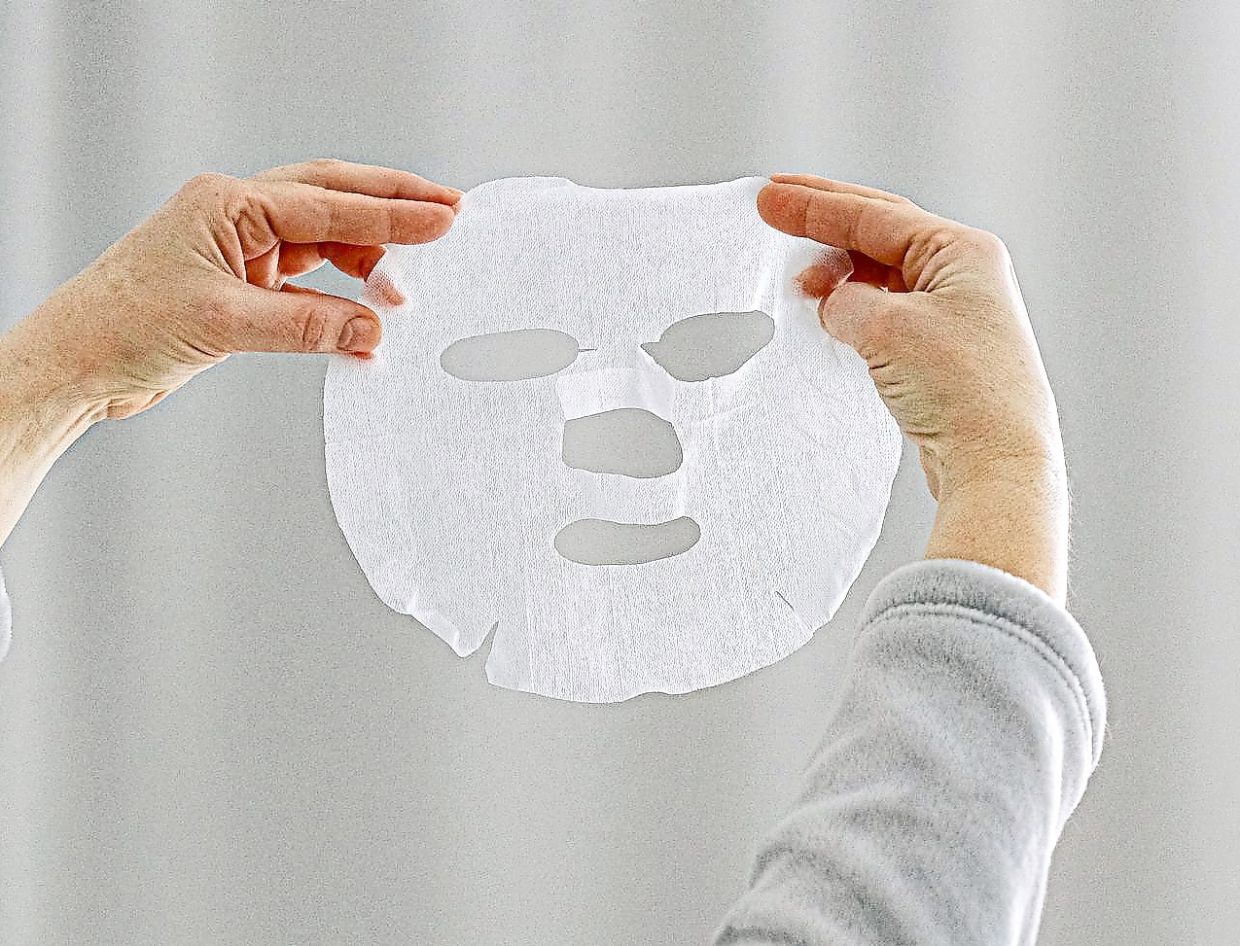
Post-flight skincare deserves as much attention as pre-flight preparation and in-flight maintenance. The period immediately after landing provides an opportunity to reinforce skin barrier function and replenish depleted moisture reserves. Continuing the simple hydrating serum and moisturiser combination, while potentially adding a nourishing face mask, helps recovery. Prioritising sleep on the night of arrival allows natural skin regeneration processes to operate optimally. For those unable to avoid active ingredients entirely, waiting 24 to 48 hours after landing before reintroducing retinol, acids, or other potentially irritating products gives skin time to stabilise.
Ultimately, managing skin during air travel rests on acceptance that aircraft environments create genuine physiological challenges requiring deliberate response. Rather than fighting these conditions with complex regimens, success comes through acknowledging the specific problem—extreme dehydration—and addressing it directly through appropriate humectants and barrier-repair moisturisers. This evidence-based approach requires minimal time, modest expense, and carries no risk of complicating skin further. For Malaysian and Southeast Asian travellers accustomed to humid tropical climates, the cabin's desiccating environment represents a particularly sharp transition, making intentional skincare preparation especially valuable.

