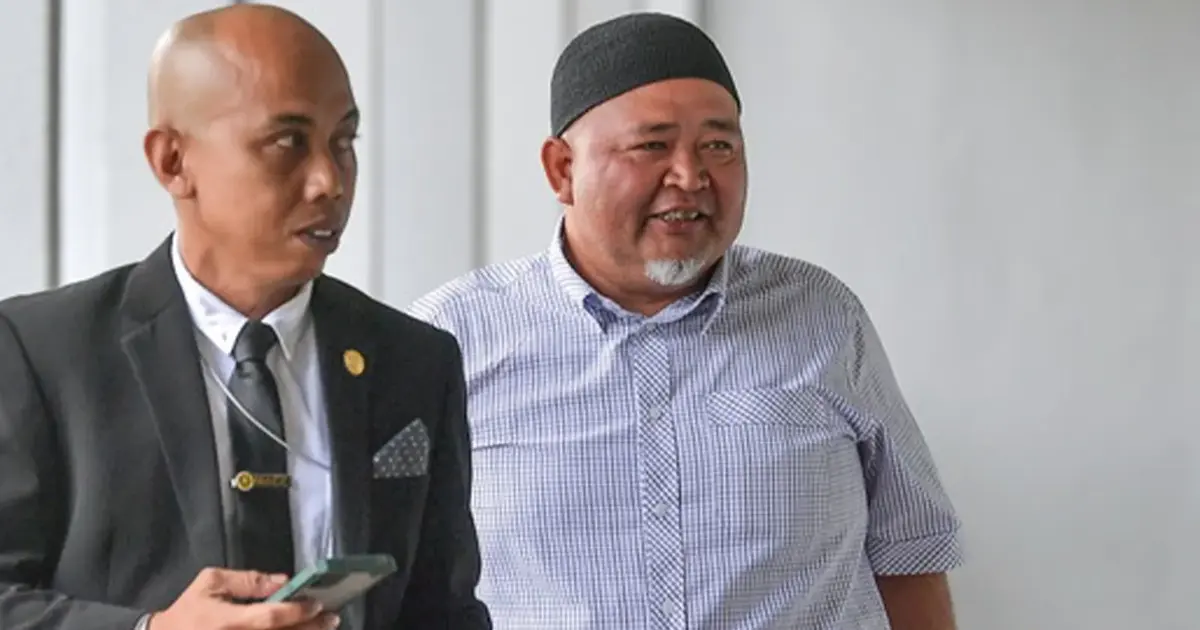
A Kuala Lumpur sessions court has ordered Hilmi Abdul Wahab, a former aide to the Kedah Menteri Besar, to enter his defence after the presiding judge determined that the prosecution had established a prima facie case against him. Kuala Lumpur sessions court judge Suzana Hussin made the ruling following the conclusion of the prosecution's case, marking a significant development in what appears to be a rare instance of alleged corruption involving rare earth mineral operations in Malaysia.
The court's decision to call for a defence comes after the prosecution presented evidence that it argues demonstrates sufficient grounds for believing the accused committed the offence in question. In Malaysian legal procedure, the establishment of a prima facie case means the prosecution has presented enough evidence that, if accepted, would prove the charges beyond reasonable doubt. This threshold must be crossed before an accused person is required to answer the charges and present their own version of events in their defence.
Rare earth metals represent a strategically important resource category in modern economies, essential for manufacturing everything from smartphones and renewable energy equipment to military applications. Malaysia, as a significant holder of rare earth deposits and host to rare earth processing operations, has long been subject to international scrutiny regarding environmental practices and governance standards in this sector. Any allegation involving potential bribery in rare earth operations carries particular sensitivity given the sector's economic importance and the regulatory framework surrounding it.
The case involving Hilmi Abdul Wahab is notable not only for the specific allegations but also for what it reveals about governance challenges in Malaysia's state administrations. Menteri Besars—who function as chief executives of their respective states—hold substantial authority over resource management and project approvals. An allegation of bribery involving a close aide to such an official raises questions about oversight mechanisms and accountability within state-level government structures.
The nature of the alleged offence, centred on rare earth materials rather than more conventional corruption schemes, suggests an evolution in the types of transactions that become subject to criminal investigation. As global demand for rare earth elements grows due to the energy transition and technological advancement, the commercial value of rare earth operations has increased correspondingly, potentially creating stronger incentives for corrupt practices in this domain.
Hilmi Abdul Wahab's previous position as an aide to the Menteri Besar would have given him proximity to decision-making processes affecting major resource projects. Such positions often involve unofficial advisory roles that can blur lines of accountability and create opportunities for improper influence. The prosecution's ability to establish sufficient evidence of a prima facie case indicates that investigators uncovered material demonstrating some connection between the accused and alleged improper payments.
The ruling by judge Suzana Hussin represents a juncture in the legal process where the burden of proof shifts somewhat in nature. The prosecution has discharged its initial obligation to demonstrate reasonable grounds for believing an offence occurred. Now the defence must present its case, which may include evidence challenging the prosecution's narrative, presenting alternative explanations for disputed facts, or demonstrating that the accused was unaware of or uninvolved in the alleged wrongdoing.
For Malaysian readers and observers of Southeast Asian governance, this case serves as an indicator of the country's judicial system functioning to hold individuals accountable for alleged impropriety. The fact that cases against government-connected individuals proceed through the courts reflects the existence of institutional mechanisms designed to check abuse of power, even when such individuals hold positions close to state leadership. However, the significance of any case ultimately depends on the thoroughness of investigation, quality of evidence, and fairness of the judicial process.
The rare earth sector in Malaysia remains commercially and strategically important, with operations in Pahang and Perak contributing to export revenues and domestic manufacturing. Any corruption allegations within this sector warrant public attention not merely for legal reasons but because misappropriation of resources or improper approvals could affect environmental management, worker safety, and the legitimate development of these valuable minerals. The outcome of this case may carry implications beyond the individual accused, potentially influencing how officials across Malaysian states approach governance of resource-intensive industries.
As the case proceeds to the defence phase, the coming months will reveal what arguments and evidence Hilmi Abdul Wahab's legal team can present to contest the prosecution's allegations. The defence phase represents a crucial opportunity for the accused to challenge the evidence presented and provide the court with alternative interpretations of the facts. Judge Suzana Hussin's finding that a prima facie case exists does not determine guilt; it merely indicates that the legal threshold for requiring a defence to be mounted has been satisfied.
The case also highlights ongoing concerns about governance standards in Malaysian public administration and the importance of investigation agencies, prosecutors, and courts functioning with sufficient independence and rigour. Whether rare earth bribery becomes a recurring concern or remains an isolated incident may depend partly on how seriously enforcement agencies and state administrations respond to allegations of improper conduct in resource management. The outcome of this particular case will provide important signals about the effectiveness of Malaysia's anti-corruption mechanisms in contexts involving senior government officials and valuable natural resources.

