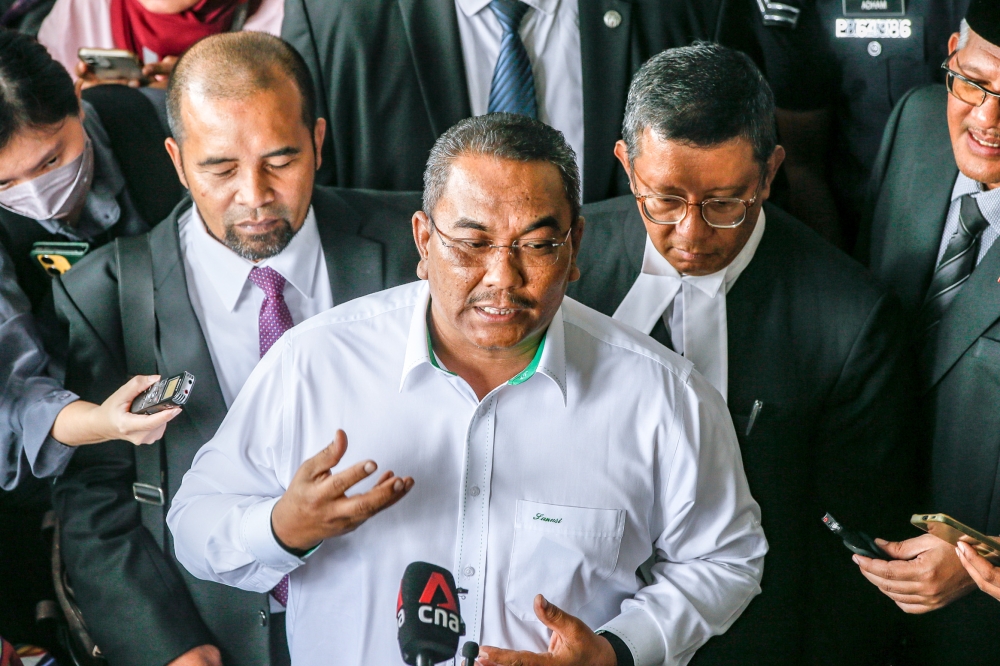
Kedah Menteri Besar Datuk Seri Muhammad Sanusi Md Nor has taken formal legal action against DAP Deputy Secretary-General Nga Kor Ming and two other individuals, dispatching letters of demand that accuse them of deliberately distorting his public statements. The move, announced in Alor Star, marks an escalation in political tensions between the PAS-led Kedah administration and the opposition DAP, signalling a willingness to pursue civil remedies for alleged attacks on his character and credibility.
The letters of demand represent a calculated escalation in the ongoing political discourse surrounding Sanusi's governance and policy positions. Rather than engaging solely through media statements or parliamentary remarks—the traditional weapons of Malaysian political combat—the Kedah leader has chosen to invoke the legal system, a choice that reflects his determination to hold his detractors accountable. This approach differs markedly from the standard practice of trading barbs through press conferences and social media, suggesting Sanusi views the alleged distortions as sufficiently egregious to warrant formal legal intervention.
The inclusion of multiple recipients in the legal action indicates a coordinated pattern of alleged misrepresentation rather than isolated incidents. By targeting Nga Kor Ming alongside two other individuals, Sanusi's legal team appears to be challenging what they characterise as a deliberate campaign to undermine the Menteri Besar's reputation and standing. The strategic choice of multiple defendants could serve to amplify the seriousness of the allegation and demonstrate that the purported distortions represent systematic opposition tactics rather than one-off comments.
Nga Kor Ming's prominence within DAP as Deputy Secretary-General elevates the significance of his inclusion in the legal action. His position places him among the party's senior leadership, making any alleged misconduct by him particularly sensitive to DAP's internal structures and the party's broader political standing. The action against Nga thus carries implications extending beyond a simple dispute between individuals, potentially reflecting deeper fractures in the political relationship between PAS and DAP at both the state and national levels.
The timing of these legal demands occurs within a broader context of fluctuating political alignments across Malaysia. Kedah, governed by PAS as part of its stronghold in the northern states, maintains a complex relationship with opposition parties. The DAP's significant presence in Malaysian politics, particularly in urban and Chinese-majority constituencies, frequently puts the party at odds with PAS on matters of governance philosophy and policy direction. This latest escalation suggests that despite Malaysia's history of coalition-building across political divides, fundamental tensions between these parties remain sharp.
For Malaysian politics more broadly, the resort to legal mechanisms to address allegations of misrepresentation raises important questions about the boundaries between legitimate political criticism and actionable defamation. Letters of demand typically precede either settlement negotiations or formal lawsuits, making this a significant preliminary step. Success in such cases requires demonstrating that the statements in question caused quantifiable damage and were made with clear knowledge of their falsity or reckless disregard for truth—a high bar in most jurisdictions. The outcomes of these legal proceedings, should they proceed to court, could establish important precedents for how Malaysian political figures address attacks on their record and statements.
The alleged distortion of remarks touches on a recurring theme in Malaysian political discourse: the selective quotation and contextual manipulation of public statements for political advantage. Both government and opposition parties have historically engaged in such practices, though they rarely result in formal legal action. Sanusi's willingness to pursue this route suggests either unprecedented severity in the alleged distortions or a strategic calculation that legal action serves his broader political objectives, whether through deterrence of future attacks or demonstrated defence of his reputation.
The response from DAP to these letters of demand will be closely watched. The party could respond through counter-legal moves, through public statements defending its members' actions, or potentially through settlement discussions. DAP's reaction will likely influence how other political parties assess the risks and benefits of direct attacks on government figures' statements and positions. In an environment where political speech remains a contested space, such legal confrontations establish practical boundaries that political actors must consider.
For Kedah specifically, these developments inject additional complexity into state governance dynamics. While Sanusi's administration has established itself relatively firmly in the state, legal disputes with opposition figures can consume political energy and public attention that might otherwise focus on policy implementation and service delivery. The next months will reveal whether this legal action represents a singular response to particularly egregious conduct or the beginning of a broader pattern of legal assertions against opposition figures.

