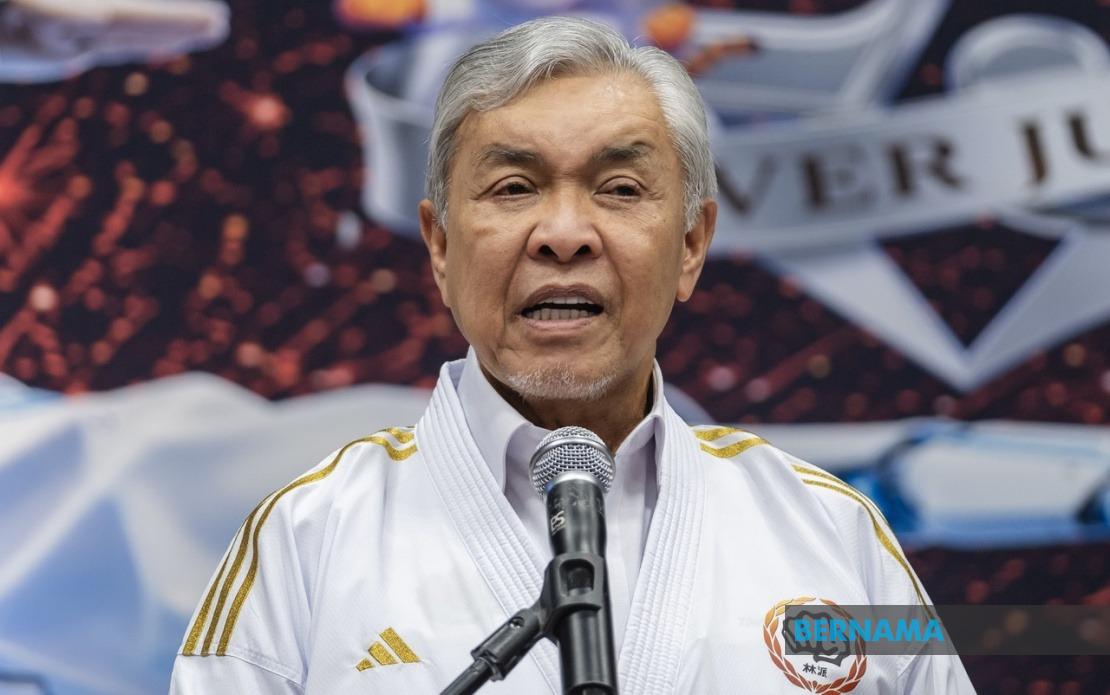
The Malaysian government is moving forward with plans to integrate karate into the national schools sports framework, with Deputy Prime Minister Datuk Seri Dr Ahmad Zahid Hamidi confirming that the matter will reach Cabinet discussion within days. Speaking at the International Open Karate Championship 2026 in Kuala Lumpur, Ahmad Zahid, who chairs the Cabinet Committee on Sports Development, indicated that Education Minister Fadhlina Sidek will be asked to evaluate the proposal for formal inclusion of the sport within the Malaysian Schools Sports Council (MSSM) calendar.
The timing of this announcement comes as karate demonstrates considerable momentum within Malaysia's scholastic athletics landscape. The International Open Karate Championship 2026, now celebrating its quarter-century milestone, drew an impressive roster of more than 1,850 competitors representing 17 nations to Titiwangsa Stadium. This scale of participation underscores the sport's expanding footprint and the international calibre of competition that Malaysia can host on its soil, positioning karate as a potentially significant addition to the broader MSSM portfolio.
Local karate officials have made a compelling case for the sport's inclusion based on grassroots development considerations. Datuk P. Thiagu, president of the Putrajaya Karate Association and organiser of the tournament, emphasised that karate has already gained substantial popularity in Malaysian schools and that formal MSSM recognition would accelerate talent identification and athlete development. By bringing karate under the official MSSM umbrella, administrators believe they can establish standardised competition pathways and ensure consistent coaching standards across participating institutions.
The proposal reflects a broader international trend in which martial arts disciplines are gaining recognition within educational sports frameworks. Karate's inclusion in the Tokyo Olympic Games in 2021 significantly elevated its profile globally and demonstrated its credibility as an elite competitive sport rather than merely a cultural or recreational pursuit. Malaysia's consideration of karate for MSSM status should be understood within this context of international sporting evolution and the nation's desire to maintain competitive relevance in martial arts disciplines.
For Malaysian secondary and primary schools, MSSM integration would fundamentally reshape how karate is recognised and resourced within the education system. Rather than existing as an informal or extra-curricular activity at individual institutions, karate would gain parity with established sports such as badminton, swimming, and football. This administrative elevation would likely trigger increased funding allocation, better access to training facilities, and greater coaching support, particularly in less-developed regions where sports infrastructure remains uneven.
The grassroots development argument carries particular weight given Malaysia's historical challenge in cultivating consistent talent pipelines across dispersed school networks. MSSM championships serve as the primary competitive proving ground where young athletes gain exposure, experience high-level competition, and attract the attention of coaches at universities and national training centres. For karate to reach its developmental potential, participation in this structured annual competition cycle is essential, providing clear incentive structures and competition pathways that currently remain fragmented.
School-based sports programmes in Malaysia have been central to producing elite athletes who subsequently achieve national and international success. The inclusion of karate within this system would benefit from established MSSM infrastructure, including standardised rules interpretation, trained adjudication officials, and organised advancement through state and national levels. These institutional supports, often taken for granted in sports already embedded in the MSSM calendar, have proven instrumental in sustaining athlete progression and maintaining competitive excellence over extended periods.
However, the Cabinet approval stage introduces practical considerations around resource allocation and implementation logistics. Sports integration at the national school level requires coordination across multiple agencies, including state education departments, school administrators, and sporting bodies. The Education Ministry must assess whether sufficient qualified coaches exist to support expanded karate programmes and whether school facilities can accommodate training needs alongside existing sports commitments. These operational questions will likely shape the timeline and scope of any eventual MSSM inclusion.
From a regional sports perspective, Malaysia's moves toward karate formalisation align with Southeast Asian neighbours' sporting priorities. Several regional nations have already integrated karate into school sports systems, and Malaysian inclusion would strengthen the nation's competitive position within regional championships and potentially future Southeast Asian Games iterations. The sport's inclusion could also enhance Malaysia's hosting capabilities for regional and international karate tournaments, positioning the nation as a martial arts destination within Asia.
The announcement also reflects political willingness to diversify Malaysia's sporting portfolio beyond traditional priorities. While football, badminton, and athletics have historically dominated school sports calendars, contemporary sports development recognises that different disciplines appeal to different student demographics and can unlock talent pools previously untapped by conventional offerings. Karate's appeal across both male and female participants and its suitability for varying body types make it a democratising addition to school sports frameworks.
Stakeholder enthusiasm appears substantial, with tournament organisers and karate associations already working toward implementation readiness. The existence of a well-organised national championship attracting international participation suggests that infrastructure and expertise for karate instruction already exist within the country, reducing implementation barriers compared to introducing entirely new sporting disciplines. This preparedness may facilitate relatively smooth Cabinet approval and subsequent rollout.
Looking ahead, the Cabinet meeting represents a critical juncture for Malaysian karate's institutional development. Approval would validate years of grassroots work by local associations and provide formal recognition of the sport's place within national athletic priorities. For Malaysian students, MSSM inclusion would offer genuine opportunity to pursue karate competitively within recognised school frameworks, potentially inspiring broader participation and elevating training standards across institutional networks.

