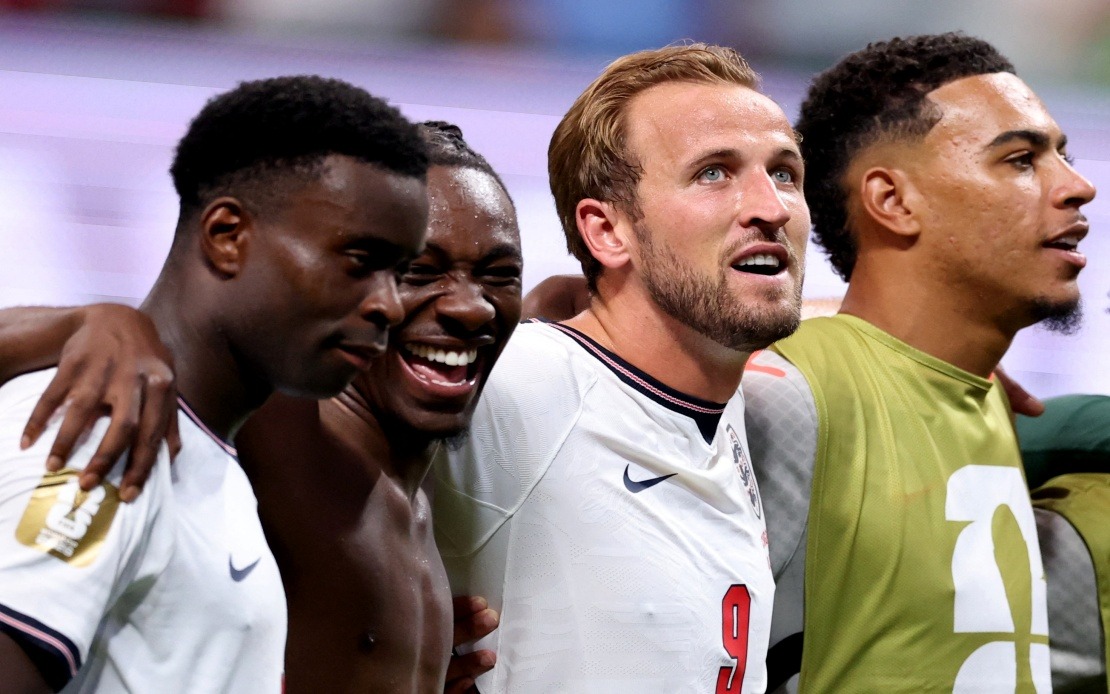
England's World Cup campaign narrowly escaped derailment in Atlanta on Wednesday when captain Harry Kane struck twice in the second half to secure a 2-1 comeback victory over the Democratic Republic of the Congo, setting up a last-16 encounter with Mexico. The Three Lions, under manager Thomas Tuchel, found themselves staring down the barrel of an extraordinary upset after Brian Cipenga's early goal for Congo, a scenario that will send shivers through English football supporters haunted by the infamous 2016 Euros elimination to Iceland.
The match unfolded as a cautionary tale of complacency against determined underdogs making their maiden World Cup knockout appearance. Congo's goalkeeper Lionel Mpasi proved to be the primary architect of England's struggles, producing a series of inspired saves and commanding displays that frustrated the heavily favoured Europeans throughout much of the contest. His performance highlighted a critical vulnerability in England's approach—an inability to convert dominance into early goals and clinical finishing when opportunities presented themselves.
England's defensive frailties were ruthlessly exposed by Congo's attacking movements, with Yoane Wissa's effort striking the woodwork late in the first half and serving as a stark reminder of how easily the narrative could have shifted towards a historic upset. The situation was further complicated when Kane, the tournament's standout performer to that point, appealed unsuccessfully for a penalty that might have altered the momentum decisively. These contested decisions and near-misses accumulated to create mounting pressure and visible frustration within the English camp.
The second half witnessed a transformation in England's intensity and purposefulness, though not before the tension had become almost unbearable for supporters watching from home. Tuchel's tactical adjustments and the introduction of Anthony Gordon as a substitute proved decisive, with the young winger providing the creative spark that had been missing in the opening 45 minutes. Gordon's incisive deliveries unlocked Congo's defensive shape and created the space for Kane to flourish in his favoured attacking role.
Kane's brace represented far more than mere statistics; it signalled England's capacity to recover from adversity and demonstrate the mental resilience required in tournament football. The goal tally also means Kane extended his World Cup scoring record and reinforced his status as the tournament's most dangerous attacking threat. His second goal, in particular, showcased the predatory instinct that has defined his career at the highest level.
Historically, this victory marked England's first World Cup win after falling behind since their legendary 1966 final triumph against West Germany. That statistic alone underscores the rarity and significance of such comebacks in England's tournament history, making Wednesday's recovery all the more impressive and emotionally resonant for the nation's football supporters. The achievement cannot be understated, even if the performance fell well short of the standards expected from a nation with England's attacking resources.
Yet the manner of the display raises serious questions about England's tournament trajectory and their capacity to overcome stronger opposition in subsequent rounds. Mexico, waiting as their next opponent, will have observed plenty to exploit in terms of defensive vulnerabilities and the tendency to start matches sluggishly. The Central American side's experience in knockout football and proven ability to frustrate European opponents suggests England cannot afford another slow beginning.
Tuchel will need to address the defensive organisation that allowed Congo—ranked considerably lower in FIFA's world standings—to create dangerous openings with relative ease. The requirement to see out matches more confidently whilst maintaining attacking threat represents a significant balancing act, particularly if England's opponents do not afford them the time to recover from poor starts. Mexico's attacking prowess and home support at the Azteca will present a sterner examination than Congo's valiant but ultimately unsuccessful efforts.
For Southeast Asian observers, the match illustrated an important principle in football tournaments: preparation, cohesion, and clinical finishing often matter more than raw talent alone. Congo's display deserved respect and demonstrated that smaller football nations can compete effectively against established powers when they execute their gameplan with conviction. Their first-ever knockout appearance showcased growth within African football, even as England's superior experience ultimately prevailed through individual brilliance.

