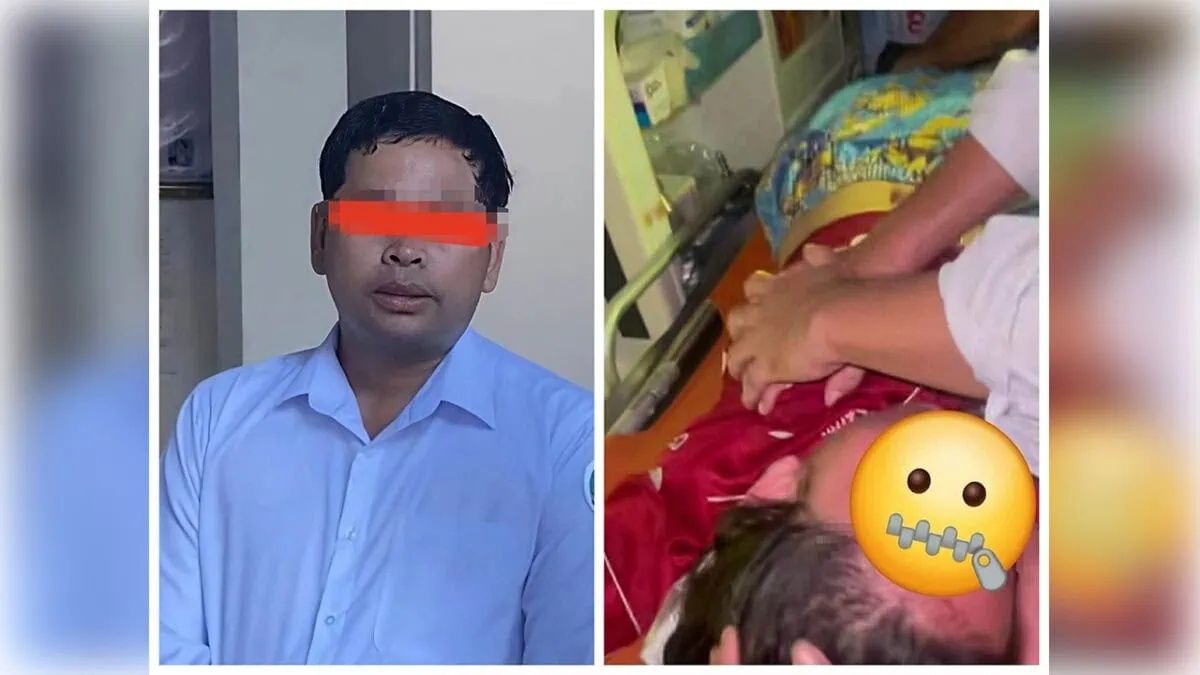
The removal of Chhun Phally from his position as chief of Setbo Health Centre in Cambodia's Kandal province underscores growing tensions between emergency medical response and public expectations of professional conduct in Southeast Asian healthcare settings. Kandal provincial governor Kuoch Chamroeun signed an administrative order on Tuesday (Aug 4) stripping Phally of his leadership responsibilities following intense social media criticism triggered by footage showing him treating a 17-year-old female patient. The reassignment, which took immediate effect, transferred Phally to work as a general health official under provincial administration rather than in a supervisory capacity, effectively sidelining him from the health centre's day-to-day operations.
The incident originated when the teenager was brought to Setbo Health Centre experiencing seizures and severe breathing difficulties. A family member recorded the treatment attempt on mobile video, initially to document the girl's condition for other relatives unable to be present. However, the footage subsequently circulated widely across social media platforms, where it generated substantial public controversy. Users questioned whether the medical procedures followed appropriate protocols and whether the manner of treatment respected the patient's dignity and privacy, with some alleging the handling constituted harassment.
The provincial health department responded swiftly to mounting public pressure by initiating a formal investigation into the circumstances. Acting provincial health director Kiem Piseth outlined the scope of the inquiry, indicating that authorities would examine whether medical procedures aligned with professional standards and whether misconduct had occurred. Piseth stated that findings of sexual harassment or inappropriate conduct would trigger responses extending beyond administrative discipline, potentially including criminal legal proceedings against the health worker involved.
Phally subsequently issued a public statement acknowledging the controversy while defending his medical intentions. He expressed regret if his actions during the emergency response caused misunderstanding among the public or the patient's family, but emphasized that his sole focus was preserving the teenage girl's life during what he characterised as a critical medical situation. His apology specifically denied any intent toward sexual harassment or inappropriate behaviour, framing his intervention as a necessary response to a life-threatening emergency.
The broader significance of this incident extends beyond the individual case to illuminate systemic concerns within Cambodia's healthcare system. The episode has reignited public debate regarding professional ethics standards, patient protection mechanisms, and worker training levels. Healthcare advocates have called for strengthened safeguards designed to preserve patient confidentiality and dignity during medical treatment while simultaneously ensuring that emergency responders receive adequate training in contemporary resuscitation techniques and trauma management protocols.
Cambodia's healthcare infrastructure faces persistent challenges in balancing rapid emergency response with international standards of patient care and protection. Rural health centres like Setbo often operate with limited resources, minimal specialised equipment, and staff working under considerable time pressure during crisis situations. These operational constraints create potential friction between the urgency of saving lives and the careful, methodical procedures that characterise best-practice emergency medicine, particularly regarding informed consent and patient modesty.
The incident reflects broader Southeast Asian healthcare governance issues where public scrutiny of medical practice has intensified alongside social media proliferation. Viral videos of medical incidents have become increasingly common across the region, sometimes amplifying legitimate concerns about professional standards while other instances may misrepresent emergency procedures that appear chaotic or undignified to untrained observers. The challenge for healthcare administrators involves responding appropriately to genuine misconduct while protecting frontline workers attempting difficult interventions during high-stress situations.
For Malaysian observers, the Kandal incident offers relevant lessons regarding the governance of provincial healthcare systems and the mechanisms for investigating complaints against medical professionals. Malaysia's healthcare regulatory framework, overseen by the Medical Council of Malaysia, provides formal channels for patient complaints and professional discipline. However, Cambodia's developing system lacks comparable institutional infrastructure, meaning administrative decisions by provincial governors sometimes substitute for independent professional review bodies.
The investigation's eventual findings may establish important precedent for how Cambodian authorities balance emergency medical necessity against patient protection standards. Should investigators conclude that proper protocols were followed despite the appearance of impropriety, the case would underscore how emergency treatment often appears undignified when recorded without clinical context. Conversely, if substantive misconduct is identified, the case would demonstrate that provincial governments can implement accountability even when institutional mechanisms remain underdeveloped.
Chhun Phally's reassignment represents an interim compromise position, removing him from supervisory responsibilities while preserving his employment pending investigation completion. This approach provides breathing room for the investigation while acknowledging that preliminary assessment may not justify full termination. Many observers view the administrative order as a proportionate response given the investigation's ongoing status, though patient advocacy groups have called for transparent disclosure of investigation findings once completed.
The incident also highlights challenges specific to rural healthcare delivery across Cambodia and comparable Southeast Asian contexts. Health workers in provincial centres often receive limited professional development opportunities, minimal exposure to standardised protocols, and inadequate supervision from senior medical authorities. Training in emergency procedures frequently emphasises life-saving techniques without corresponding instruction in patient communication, dignity preservation, and informed consent protocols that are integral to contemporary medical practice.
Moving forward, healthcare authorities in Cambodia may consider implementing video recording policies in emergency departments to facilitate investigation while simultaneously establishing clear guidelines regarding when recording is permissible and how footage may be shared. Similarly, strengthened training programmes emphasising both technical competence and professional conduct could reduce future controversies while improving overall care quality. These institutional responses would address underlying system weaknesses that the Setbo Health Centre incident has exposed.
The case ultimately demonstrates that even emergency medicine requires careful attention to patient protection mechanisms and professional standards. As Southeast Asian healthcare systems modernise and public expectations rise, the challenge for provincial health administrations involves creating frameworks where emergency responders can act decisively during critical situations while respecting patient dignity and maintaining public confidence in healthcare institutions.

