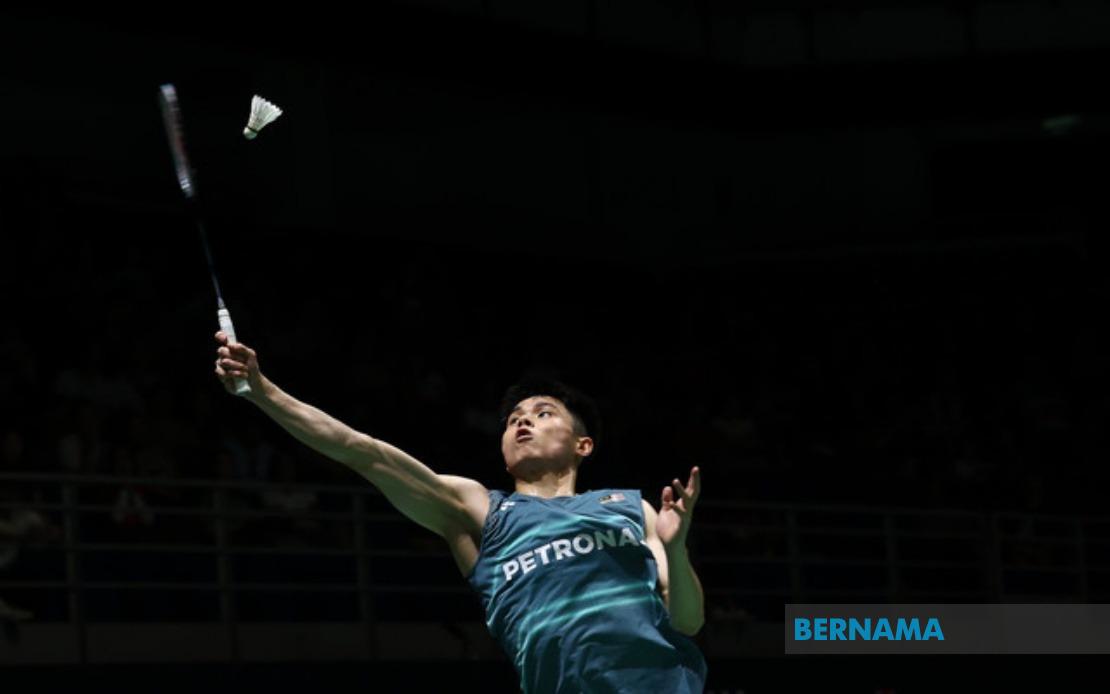
Malaysian badminton's rising talent Justin Hoh is bracing himself for the unique challenges that await at his inaugural appearance at the 2026 BWF World Championships, scheduled to take place in New Delhi from August 17 to 23. The 22-year-old Kuala Lumpur shuttler has adopted a pragmatic approach to the tournament, focusing his energy on thorough preparation rather than worrying about factors beyond his control, particularly the venue conditions that have occasionally drawn criticism in the past.
At a training session at the Academy Badminton Malaysia here, Justin outlined his strategy for the prestigious tournament, emphasizing the importance of being prepared for any scenario. His measured perspective reflects the maturity expected of a player stepping onto the world stage for the first time, though it also hints at the real concerns that competitive athletes harbour when preparing for tournaments in certain Asian venues. The young shuttler's willingness to acknowledge potential difficulties while maintaining focus demonstrates the mental resilience required to compete at the highest levels of international badminton.
Justin's previous encounters with tournaments in India have equipped him with practical knowledge about what players must do to mitigate potential problems. He has learned that competitors cannot rely solely on organisers to provide ideal conditions and must instead take personal responsibility for their wellbeing throughout the championship. This includes bringing adequate food supplies from Malaysia to ensure dietary consistency and avoid any gastrointestinal issues that could compromise performance during crucial matches. Such precautions, while perhaps sobering for international sports fans, reflect the reality of competing in certain venues where infrastructure and oversight may fall short of international standards.
The India Open badminton tournament earlier this year became a focal point for concerns about venue management when severe sanitation issues came to light. Photographs and reports circulated widely showing bird droppings present on practice courts at the Indira Gandhi Sports Complex, while monkeys roaming freely through the facility added another layer of concern for competing athletes. These incidents generated significant commentary within the badminton community and prompted questions about India's readiness to host major international sporting events, though they also underscored the resilience required from players willing to compete under such circumstances.
Despite these historical concerns, Justin expressed cautious optimism that the World Championships organisers would implement improvements before the tournament commences. He acknowledged that conditions at certain Indian venues have previously fallen below acceptable standards but maintained faith that the higher profile of a World Championships might prompt the hosts to elevate their preparations. This balance between realistic scepticism and constructive hope reflects the position many Malaysian athletes find themselves in when preparing for tournaments abroad—maintaining competitive focus while advocating for better standards.
Regarding the competitive draw itself, Justin demonstrated the confidence of a young player unburdened by excessive pressure or inflated expectations. He indicated that he would not allow concerns about potentially facing higher-ranked opponents in early rounds to derail his preparation or mindset. This philosophical approach to seeding and matchups represents a healthy perspective for a player competing at the World Championships for the first time, where the field encompasses the planet's elite badminton talent across multiple categories.
The Malaysian men's singles contingent operates under considerable scrutiny from both media and the badminton-loving public at home, a dynamic that has occasionally created tension within the sporting community. Justin candidly acknowledged this constant pressure, noting that commentary from observers ranges from supportive to critical, reflecting the high expectations placed on Malaysia's representatives in this historically important discipline. Rather than viewing this scrutiny as burdensome, the young shuttler has reframed it as motivation to demonstrate capability and justify the faith invested in him by the Badminton Association of Malaysia and Malaysian supporters generally.
When discussing his personal objectives for the tournament, Justin struck a realistic balance between ambition and pragmatism. While not ruling out the possibility of winning a medal—an achievement that would represent a remarkable debut—he framed this maiden World Championships appearance primarily as a learning opportunity. This measured approach allows him to maximize his potential while avoiding the psychological pitfall of setting targets so lofty that inevitable early pressure becomes overwhelming. Many established international competitors recognize that first appearances at world championships often yield valuable experience that proves invaluable in future campaigns.
For Malaysian badminton observers, Justin's emergence represents a potential bright spot in men's singles, a category where Malaysia has traditionally wielded considerable strength and where current representation has attracted scrutiny. His age and talent suggest he may develop into a consistent world-ranking contender over the coming years, making his performance in New Delhi significant not merely for immediate results but for what it might indicate about the trajectory of Malaysian men's badminton. The coaching infrastructure at the Academy Badminton Malaysia continues to invest in players like Justin, recognizing that building depth in elite singles competition requires nurturing promising young talent through increasingly challenging international stages.
The August timing of the World Championships in New Delhi will present environmental challenges typical of monsoon season in northern India, where heat and humidity typically peak during mid-summer months. Beyond the physical demands posed by such conditions, players must also manage the logistical complexities of competing in an unfamiliar city while maintaining peak physical form. Justin's acknowledgment that preparation extends beyond technical and tactical elements to encompass accommodation, nutrition, and health management reflects the holistic approach required of modern international badminton competitors. His readiness to adapt to whatever conditions materialise suggests Malaysian badminton has invested appropriately in developing athletes capable of competing successfully across diverse global venues and circumstances.

