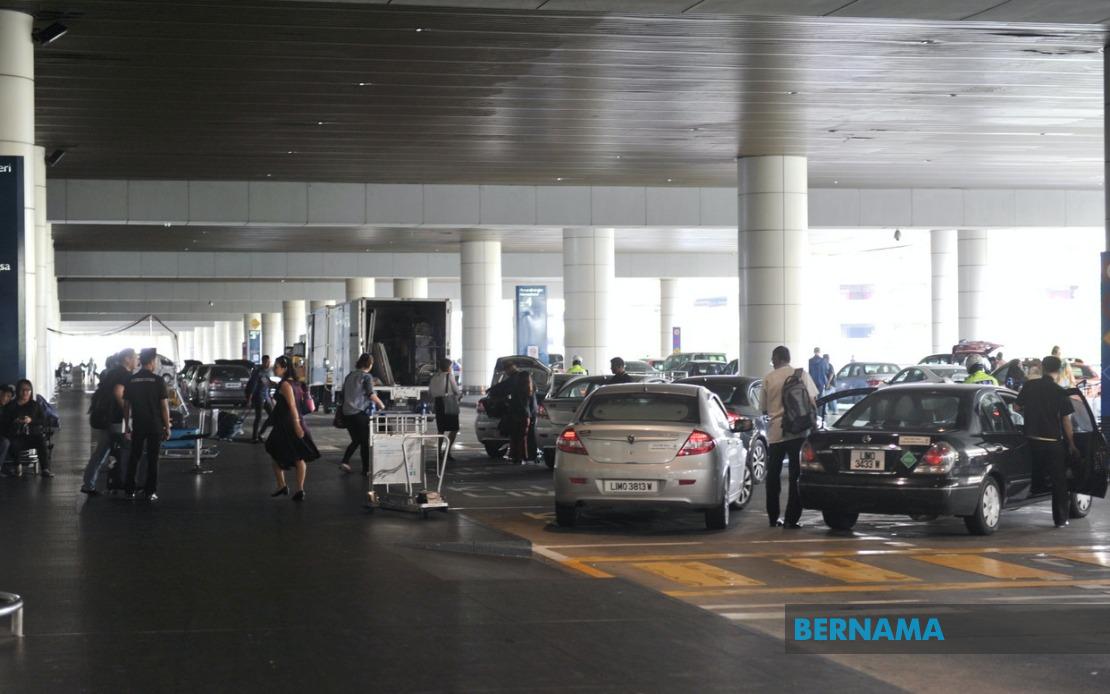
Malaysia's Road Transport Department is mounting a substantial escalation in its anti-touting operation at Kuala Lumpur International Airport, announcing plans to deploy significantly more personnel across both terminals beginning the following week. The enforcement drive responds to mounting concerns over 'ulat' activities—the colloquial term for illegal taxi touts who solicit rides from arriving passengers—which continue to tarnish the nation's reputation at one of its busiest international gateways. Datuk Aedy Fadly Ramli, the department's director-general, revealed the initiative during a press conference at KLIA, emphasising that the move follows explicit instructions from the Ministry of Transport to tackle the problem with greater urgency and effectiveness.
The current staffing situation at Malaysia's premier airport has proven inadequate to manage the scale of illegal transportation services. Only 17 Road Transport Department personnel are presently based at KLIA Terminal 1, operating under a limited schedule that runs from 7 am to midnight. Terminal 2, which handles a significant volume of international traffic, lacks dedicated officers assigned specifically to monitor and prevent touting activities. This operational gap has allowed illegal operators to exploit periods outside standard working hours, with Aedy Fadly noting that the problem intensifies during early morning hours when international flights begin arriving, sometimes as early as 4 am.
The enhanced enforcement strategy involves transitioning to a three-shift operational model that will provide comprehensive 24-hour coverage at both terminals. Under the new arrangement, duty officers will maintain a permanent presence at KLIA T1 and T2, enabling continuous patrols and real-time monitoring of passenger interactions in arrival areas and ground transportation zones. This shift from limited daytime coverage to round-the-clock supervision represents a fundamental restructuring of how the department approaches airport security. The timing of this expansion is particularly significant, as it acknowledges that touting occurs throughout all hours of operation rather than concentrating during peak travel periods.
Beyond simply increasing headcount, the Road Transport Department is also elevating the seniority and command structure of its airport operations. Senior-ranking officers will be deployed to lead enforcement units at both terminals, a move designed to strengthen the operational effectiveness and decision-making capacity of frontline teams. These more experienced officials will oversee coordination between enforcement personnel and provide improved situational management during complex enforcement scenarios. The inclusion of higher-grade officers signals a recognition that tackling organised illegal transportation networks requires not merely numerical reinforcement but also enhanced administrative oversight and tactical sophistication.
The initiative reflects broader concerns about how illegal taxi operations undermine Malaysia's image as a modern, well-governed destination. Passengers arriving at KLIA often encounter aggressive solicitation from unauthorised drivers offering unlicensed transportation services, an experience that frequently becomes their first impression of the country. These interactions create perceptions of disorder and lack of official control, contradicting the professional standards Malaysia seeks to project to international visitors and business travellers. By prioritising enforcement at the airport's entry points, authorities signal commitment to maintaining standards consistent with KLIA's status as a sophisticated international facility.
The Road Transport Department is also implementing a collaborative communications strategy alongside its enforcement expansion. Working in partnership with Malaysia Airports Holdings Bhd, the department will enhance passenger information systems through increased signage and announcements across terminal facilities. These measures will emphasise the importance of utilising only licensed and legitimate transportation services, helping passengers make informed decisions while simultaneously creating an environment where unlicensed operators face reduced demand. This dual approach—combining enforcement pressure with passenger education—targets both the supply of illegal services and the demand that sustains such operations.
The intensification of airport enforcement aligns with longstanding challenges that have plagued KLIA and other Southeast Asian airports where passenger vulnerability and high transaction volumes create opportunities for organised touting networks. Arriving travellers, often fatigued and unfamiliar with local transportation options, represent ideal targets for illegal operators who exploit information asymmetries and confusion. The 'ulat' phenomenon is not merely an inconvenience but reflects systemic vulnerabilities in airport security and passenger protection mechanisms that have accumulated over years of insufficient resources.
For Malaysia's tourism and business sectors, the strengthened enforcement carries important implications. Negative word-of-mouth from international visitors who encounter illegal touts at KLIA can significantly damage the nation's hospitality reputation, particularly among business travellers who influence foreign investment decisions and corporate travel patterns. By containing these activities more rigorously, Malaysia improves the travel experience for arriving passengers and reinforces perceptions of professionalism and safety. This investment in airport security ultimately supports the broader economic interests of tourism-dependent regions and sectors that rely on positive international visitor experiences.
Datuk Aedy Fadly's assurance that the Road Transport Department will pursue enforcement without compromise indicates institutional resolve to eliminate institutional tolerance for illegal activities. This framing positions the expanded operation not merely as a resource allocation decision but as a matter of departmental principle and professional integrity. The commitment to intensified action at both KLIA terminals demonstrates willingness to sustain enforcement pressure over time rather than viewing the initiative as a temporary response. The department's collaborative stance with Malaysia Airports Holdings Bhd also suggests a commitment to systemic approaches that integrate enforcement, facility management, and passenger communication into a comprehensive strategy.

