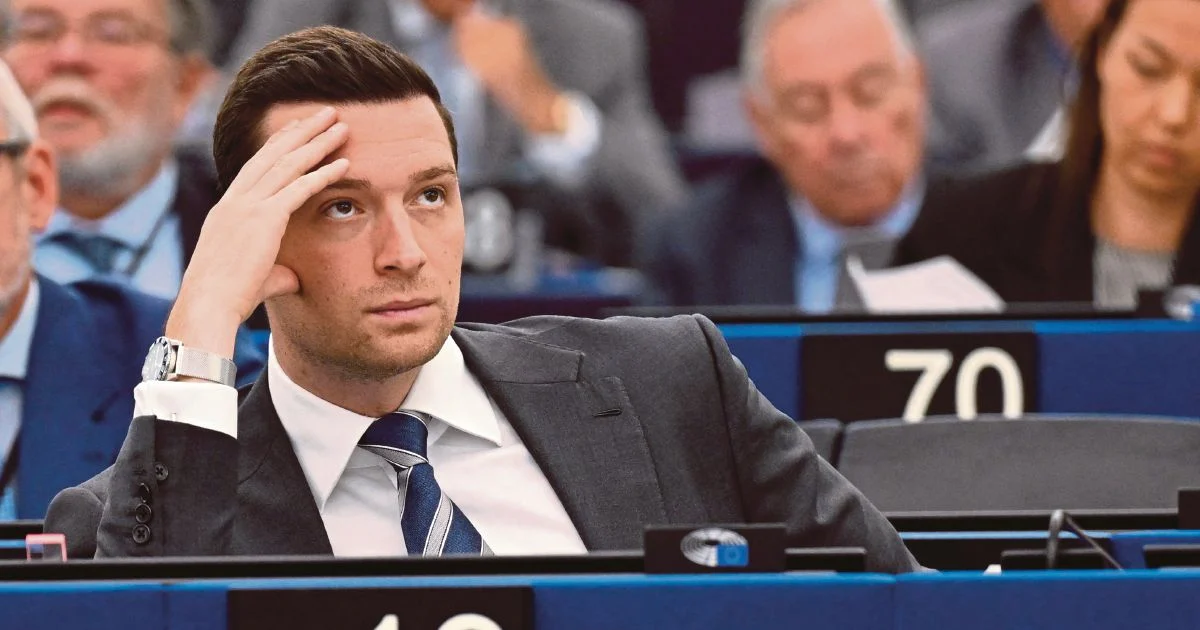
An anti-corruption body in France has moved to launch an official investigation into whether Jordan Bardella, a leading figure in the far-right National Rally party and a potential future presidential contender, fabricated his employment history during a stint in the European Parliament. The watchdog's decision to pursue the matter, announced on Tuesday, comes amid mounting scrutiny of the 28-year-old politician's background and qualifications for high office.
Accusations that Bardella held a non-existent assistantship in the European Parliament have become a focal point in French political discourse, with critics suggesting the position may have been created without legitimate parliamentary functions. Such allegations carry particular weight in France and across Europe, where standards of governmental transparency and ethical conduct remain subject to intense public and media inspection. The investigation represents a significant development in ongoing debates about the integrity of far-right politicians and their organisations across the continent.
Bardella's National Rally party has firmly rejected all allegations, characterizing them as politically motivated attacks designed to undermine the party's electoral prospects. The party's response underscores the deeply polarized nature of French politics, where accusations against prominent figures often become flashpoints for broader ideological conflict between established political forces and insurgent movements. Officials close to Bardella have stated unequivocally that the parliamentary position was genuine and involved substantive work on behalf of the party.
The European Parliament has emerged as an unexpected arena for examining these claims, as the institution maintains detailed employment records and staffing protocols that govern how member parties allocate assistant positions. These arrangements typically allow individual members of parliament to hire support staff, though regulations exist to ensure such positions represent genuine employment arrangements rather than mechanisms for generating supplementary income. Investigators will need to examine documentary evidence, payment records, and testimonies from colleagues regarding the nature and scope of work purportedly undertaken by Bardella.
For Malaysian readers and observers across Southeast Asia, this controversy highlights how populist and nationalist movements in Western democracies face increasing institutional and legal pressures, though with varying degrees of effectiveness. The situation also illustrates how European frameworks for accountability, though imperfect, can activate investigative mechanisms when credible concerns emerge about political misconduct. These contrasts offer useful points of comparison as Asia's democracies continue developing their own systems for monitoring governmental propriety and political transparency.
The timing of the investigation carries political implications, as Bardella represents a potential pathway for the National Rally to secure executive power in France. The party has undergone significant repositioning in recent years, attempting to rebrand itself as a mainstream conservative force capable of governing responsibly. Allegations of fraudulent employment arrangements threaten this narrative by suggesting a pattern of deception at odds with claims of institutional respectability and competent administration.
Europe's experience with far-right movements offers cautionary lessons about the importance of robust institutional oversight and the consequences of allowing gaps in accountability mechanisms to persist. When individuals associated with anti-establishment movements face credible allegations of rule-breaking, the manner in which those charges are investigated and adjudicated can substantially influence public confidence in democratic institutions. The transparency and procedural fairness of this French investigation may therefore resonate beyond its immediate political context.
The broader challenge facing French and European authorities involves balancing aggressive investigation of alleged misconduct with avoiding perceptions of political persecution. Critics of far-right movements face persistent accusations of weaponizing investigative processes, while supporters of stronger institutional accountability contend that equal application of ethical standards requires examining all politicians regardless of ideological affiliation. This tension will likely shape how the forthcoming investigation proceeds and how the public interprets its eventual conclusions.
Bardella's emergence as a significant political force reflects wider European trends toward nationalist and anti-immigration movements that have gained electoral traction across the continent. Understanding these movements' internal operations, the integrity of their leadership, and their relationship with democratic norms becomes increasingly important as they transition from fringe actors to serious contenders for governmental power. Evidence of fraudulent employment practices, should it materialise, would constitute a substantive challenge to the National Rally's efforts to present itself as a responsible alternative government.
The investigation also raises questions about parliamentary oversight and the adequacy of existing mechanisms for monitoring how European Parliament resources are allocated and utilised. Strengthening these safeguards while maintaining the independence of elected representatives represents an ongoing institutional challenge. For democracies worldwide, including those in Southeast Asia navigating similar tensions between executive efficiency and legislative oversight, the European Parliament's handling of this matter provides relevant precedent and procedural examples worth examining.

