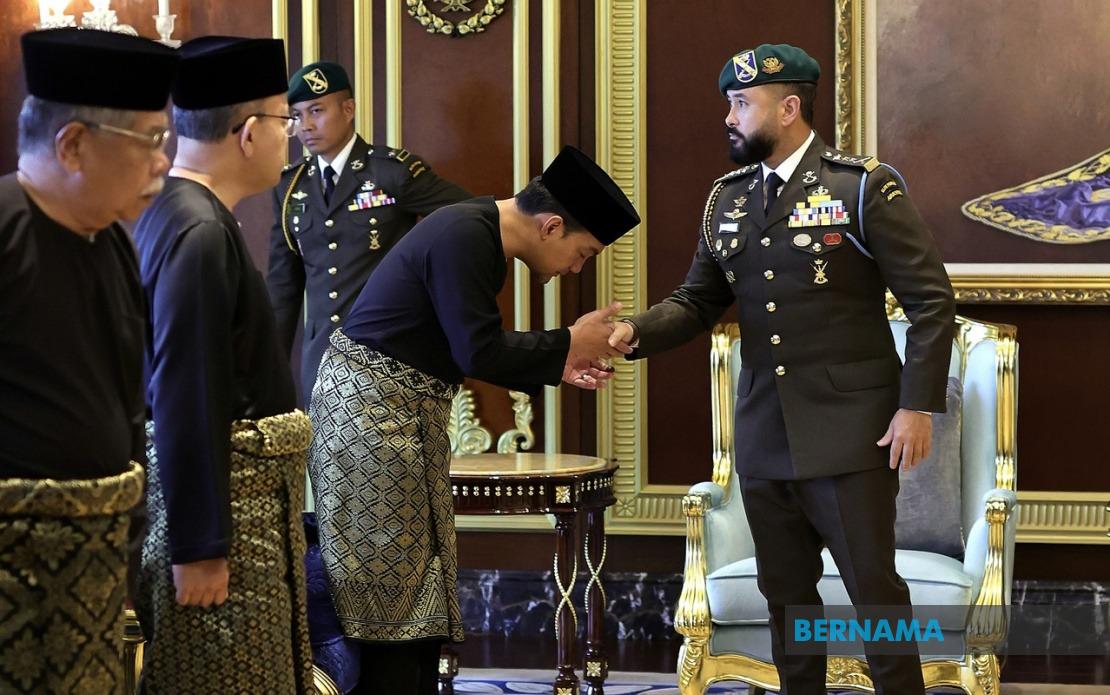
Johor's freshly constituted State Executive Council will formally assume office tomorrow at the historic Istana Bukit Serene, marking the beginning of the administration's new term following last week's decisive electoral mandate. The solemnity of the occasion will be underscored by the presence of Tunku Mahkota Ismail, the Regent of Johor, who will preside over the swearing-in proceedings and administer the oaths to the cabinet members.
The ceremony represents a significant constitutional milestone for the southern state, as it formally transitions political control under the newly elected government. This formal investiture, scheduled for tomorrow, comes just four days after Menteri Besar Datuk Onn Hafiz Ghazi personally took the oath of office on July 12, establishing the leadership framework upon which the broader cabinet structure now rests. The timing of tomorrow's proceedings will complete the institutional arrangements necessary for the full cabinet to commence its collective governance responsibilities.
Barisan Nasional's commanding performance in the Johor State Election has created a substantial political foundation for the incoming administration. The coalition's capture of 48 of the 56 available seats represents a decisive popular endorsement, providing the government with comfortable legislative strength to pursue its policy agenda without dependency on opposition support or independent legislators. This robust majority reflects voter confidence in the BN-led administration's previous performance and future vision for the state.
The palace has extended formal invitations to key institutional figures whose presence underscores the constitutional nature of the proceedings. Beyond the Regent's participation, attendees will include the Johor Council of Royal Court president, Datuk Dr Abdul Rahim Ramli, and the state secretary, Datuk Mohammed Ridha Abd Kadir, representing the senior bureaucratic establishment that will work alongside the political executive. These layered institutional presences reflect Malaysia's constitutional monarchy framework, where state governance operates within carefully structured relationships between the royal institution, elected representatives, and the civil service.
Media organisations have been granted access to document the proceedings, with arrangements providing coverage opportunities from both principal entrances to the palace beginning at 9.30 am. This transparency in the formal processes of government reflects contemporary standards for accountability and public information, allowing citizens to remain informed about the composition and timing of their state's leadership transition. The openness of the ceremony to journalistic scrutiny demonstrates confidence in the legitimacy of the electoral outcome and the orderly transfer of governance responsibilities.
For Malaysian observers and particularly those in Johor, the cabinet's composition will be closely examined as an indicator of how the government intends to balance regional interests, ethnic representation, and political reward structures within its coalition framework. The selection of specific individuals for executive council portfolios often signals policy priorities and the relative influence of different party components within the BN alliance. The cabinet architecture typically reflects negotiations between UMNO, which dominates in Johor, and its coalition partners, each securing positions commensurate with their electoral contribution and historical bargaining power.
The swearing-in ceremony concludes the formal institutional requirements for the new government's establishment, following the typical constitutional sequence observed in Malaysian states. Once the cabinet members take their oaths, they will be vested with executive authority to initiate policy implementation, approve administrative decisions, and set the strategic direction for state agencies and public services. This moment of formal investiture thereby transforms electoral victory into concrete governing power.
The comfortable majority secured by Barisan Nasional provides the incoming Menteri Besar with considerable flexibility in cabinet formation and policy direction. With 48 seats out of 56, the government commands approximately 86 percent of the legislative chamber, a proportion that historically permits administrations to pursue ambitious agendas without prolonged parliamentary obstruction. This legislative strength becomes particularly significant for states seeking to implement major infrastructure projects, fiscal adjustments, or institutional reforms that require sustained legislative cooperation.
Johor's electoral outcome carries implications beyond the state itself, signalling voter sentiment across the broader peninsular political landscape. As Malaysia's third-largest state by population and a crucial economic contributor, Johor's governance performance and policy choices frequently influence national political calculations and coalition dynamics. The BN's strong showing thus provides momentum for the coalition heading into broader national considerations and may influence perceptions of electoral trends across different regions.

