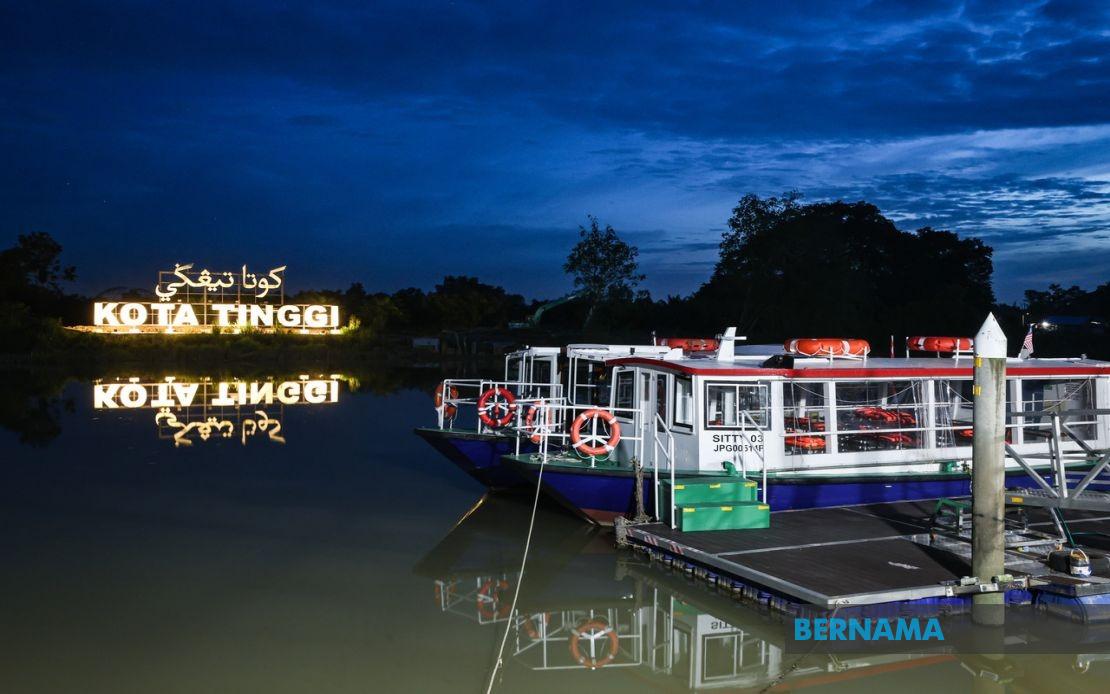
Kota Tinggi is gaining traction as a heritage and nature tourism destination, with the recently launched Kota Tinggi River Cruise establishing itself as one of Johor's most compelling ecotourism experiences. Operated along a 6.7-kilometre stretch of Sungai Johor, the venture takes advantage of the waterway's dual appeal: its natural beauty and its significance as the cradle of Johor-Riau Sultanate civilization following Malacca's collapse in the 16th century. The initiative comes as the state government pushes Visit Johor 2026, a comprehensive tourism campaign designed to elevate the region's profile and diversify its economic base beyond petrochemicals and port operations.
The river's historical significance runs deep, having served as the lifeblood of ancient settlements such as Johor Lama and Kampung Makam, where multiple former sultans were interred. According to Aiman Haikal Mohd Azmi, the cruise operations manager, this royal heritage forms the cornerstone of the attraction's appeal to both regional and international visitors. The venture has already demonstrated remarkable commercial viability, attracting over 10,000 passengers during its first seven months of operation—a figure that suggests strong latent demand for culturally anchored tourism products in Malaysia.
The daytime offerings combine educational narration with visual highlights along the river corridor. Visitors encounter landmarks such as Titian Laksamana, an eye-catching suspension pedestrian bridge, and the Johor River Barrage, both serving as photography hotspots. Onboard commentary or guided narratives introduce passengers to legendary figures including Sultan Mahmud Mangkat Dijulang and Laksamana Bentan, transforming what might otherwise be a simple sightseeing expedition into an immersive historical experience. This layering of entertainment, education, and scenic enjoyment reflects a sophisticated approach to destination marketing that has proven effective in attracting visitors from neighboring Singapore, Indonesia, and Brunei—indicating potential for deeper regional positioning.
As evening arrives, the river experience undergoes a remarkable transformation through KTRC's Mesmerising Fireflies package. This offering capitalizes on the natural phenomenon of firefly congregations along the river, allowing visitors to witness thousands of bioluminescent insects illuminating the darkness. Such nature-based experiences hold particular appeal in Southeast Asia, where demand for authentic natural encounters remains strong among travelers seeking alternatives to urban attractions. The firefly cruises represent the intersection of conservation awareness and tourism monetization, providing economic incentive to maintain the river ecosystem's health.
For those preferring a more indulgent experience, the Dining Cruise package enables passengers to consume meals while absorbing panoramic views of Kota Tinggi from the water. This premium offering diversifies revenue streams and appeals to higher-spending demographics, including family celebrations and corporate groups. The combination of gastronomic experience with natural scenery reflects global trends in experiential tourism, where visitors increasingly seek memorable moments that blend comfort with authenticity.
Operational logistics reflect a tourist-friendly approach. KTRC maintains extended hours, operating daily from 9 am to 7 pm on weekdays and extending to 10 pm on weekends, with departures scheduled hourly. This frequency reduces waiting times and maximizes capacity utilization. Pricing architecture is thoughtfully stratified: daytime cruises cost RM20 for adults, RM15 for children, and RM10 for seniors and persons with disabilities. Evening cruises command modest premiums at RM23, RM17, and RM13 respectively, suggesting accessibility remains a priority despite premium experiences being available.
The venture's rapid uptake reflects broader Southeast Asian tourism trends favoring heritage-based and nature-immersed experiences over conventional resort stays. Malaysia's riverine attractions remain underutilized compared to regional competitors, particularly Thailand's river cruises and Indonesia's jungle experiences. Kota Tinggi's positioning addresses this gap by packaging sultanate history with ecological tourism, creating differentiated value propositions difficult for competitors to replicate.
From a regional perspective, this initiative demonstrates how secondary cities can leverage underexploited natural and cultural assets to generate sustainable tourism revenue. Unlike heavy-infrastructure megaprojects, river-based tourism requires minimal environmental disruption while creating employment for boat operators, guides, and service providers. Aiman Haikal's emphasis on ecosystem protection alongside economic generation reflects growing sophistication in how Malaysian tourism operators balance conservation imperatives with commercial viability—a balance essential for long-term destination sustainability.
The Visit Johor 2026 campaign appears positioned to capitalize on this momentum. By promoting integrated heritage-nature tourism products across the state, the initiative could establish Johor as more than a transit destination between Kuala Lumpur and Singapore. Kota Tinggi's successful execution demonstrates proof of concept that paying visitors will engage with sultanate history and natural experiences when packaged professionally. Should this model scale to other Johor riverine and historical sites—such as Kota Iskandar or Teluk Ramunia—the cumulative effect could substantially enhance the state's tourism competitiveness.
Looking forward, the venture's success creates opportunities for complementary infrastructure development. Accommodation upgrades in Kota Tinggi town, improved dining facilities reflecting local cuisine, and cultural museums interpreting Johor-Riau history could form an integrated ecosystem attracting extended stays rather than day-tripping. The international visitor composition—particularly from Singapore and Brunei—indicates price sensitivity differs by origin; tiered marketing strategies targeting different source markets could optimize revenue capture.
The river cruise exemplifies how Malaysian destinations can compete effectively in regional tourism without massive capital expenditure or architectural transformation. By recognizing that visitors increasingly value authenticity, natural beauty, and cultural narratives, Kota Tinggi has positioned itself as an alternative to overdeveloped beach resorts and shopping-centric city destinations. Success here could influence how other Malaysian towns approach tourism development, prioritizing cultural storytelling and ecosystem preservation alongside commercial returns.

