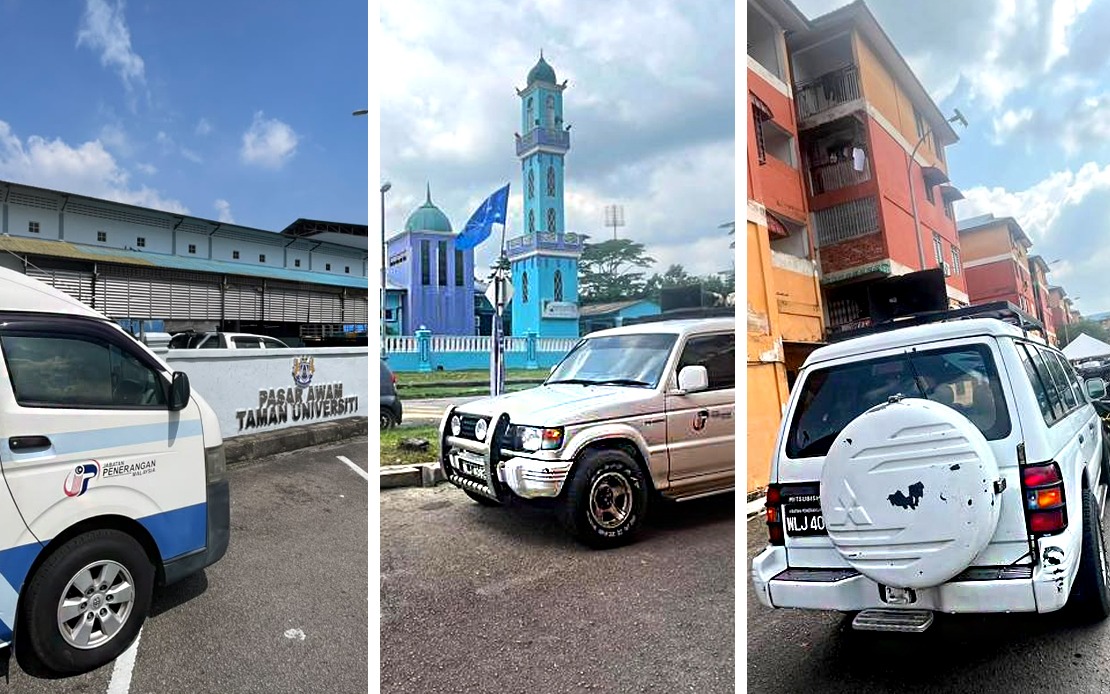
The Johor Department of Information (JAPEN) has fully activated 26 Info On Wheels mobile units in a comprehensive effort to promote voter awareness and participation ahead of Saturday's 16th Johor state election. The deployment represents a strategic shift in how authorities engage with the electorate, moving beyond traditional information dissemination to active field engagement across all corners of the state.
According to Johor JAPEN director Mohd Rizal Hashim, the mobile units have been systematically positioned throughout Johor's 10 districts and 56 state constituencies to ensure that critical election-related information reaches voters directly at their communities. This geographical spread underscores the department's commitment to eliminating information gaps that might otherwise disadvantage voters in less accessible areas, particularly in rural regions where internet penetration and access to traditional media channels may be limited.
The timing of the campaign intensity carries strategic significance. Mohd Rizal indicated that announcements will be amplified substantially during the three days immediately preceding polling day, with particular focus during morning and evening periods when residents are most likely to be receptive to public announcements. This concentrated push aims to serve as a final reminder to voters to verify their registration status and arrange their travel logistics—practical considerations that can significantly influence turnout, especially among voters who may face mobility challenges or work commitments on election day.
The operational philosophy underpinning JAPEN's approach reflects a proactive rather than reactive information strategy. Rather than waiting for voters to actively seek out election details, the department has chosen to saturate communities with verified information, ensuring that official messaging from the Election Commission regarding polling dates, voter rolls, and voting procedures reaches the public through multiple touchpoints. This approach recognises that information accessibility, particularly for elderly voters and those with lower digital literacy, remains a critical determinant of electoral participation.
JAPEN's coverage strategy explicitly encompasses diverse geographical and demographic segments. Urban centres with high population density receive targeted attention, but the department has equally prioritised residential neighbourhoods in suburban areas, rural communities where information infrastructure may be sparse, Federal Land Development Authority (Felda) settlements, and Orang Asli villages. This inclusive approach acknowledges that voter engagement challenges vary significantly across different communities and that no single communication channel can effectively reach all segments of Johor's electorate.
Beyond logistical information about voting procedures, JAPEN personnel are simultaneously engaging in face-to-face advocacy programmes designed to counter misinformation and defamatory content. The proliferation of unverified claims and false narratives during election periods has become a persistent challenge across Southeast Asia, and Johor's information department is tackling this threat through direct community dialogue rather than solely through broadcast messaging. This combination of providing accurate information while simultaneously debunking falsehoods represents a two-pronged approach to information integrity.
Mohd Rizal emphasised the broader civic significance of the election, framing voting as both a constitutional right and a fundamental responsibility. The state election's outcomes will determine not merely which representatives occupy legislative seats, but the direction of Johor's development trajectory, economic priorities, and public welfare policies over the subsequent five-year term. By recontextualising voting as a mechanism through which citizens directly shape their government's agenda and resource allocation decisions, JAPEN seeks to elevate public perception of electoral participation beyond viewing it as a bureaucratic obligation.
The campaign also carries implications for electoral integrity and social cohesion. By emphasising the importance of decisions being made based on verified facts rather than rumour or propaganda, Johor's information department is attempting to foster an electoral environment characterised by rational deliberation and peaceful democratic participation. This messaging becomes particularly crucial given the intensely contested nature of Malaysian electoral politics and the historical tendency for elections to occasionally generate social tension along communal or regional lines.
The practical advisory that voters plan their journeys in advance and take action on polling day represents recognition of logistical barriers to participation. Transportation challenges, work schedules, and unfamiliarity with polling station locations can suppress turnout, particularly among younger voters, first-time voters, and those in areas where public transportation is limited. By emphasising advance planning, JAPEN removes or mitigates practical obstacles that might otherwise discourage otherwise willing voters from participating.
The department's explicit warning to the public regarding social media misinformation reflects the contemporary reality that digital platforms have become primary vectors for election-related falsehoods and coordinated disinformation campaigns. Unlike traditional media, which operates under regulatory frameworks and professional editorial standards, social media enables rapid spread of unverified claims without institutional gatekeeping. JAPEN's call for public vigilance acknowledges this dynamic while placing responsibility on individual citizens to critically evaluate information sources and verify claims before sharing or acting upon them.
For Malaysian and Southeast Asian observers, Johor's information campaign illustrates broader trends in electoral administration and voter engagement. As democracies across the region contend with misinformation challenges and variable voter turnout, state and national electoral authorities are experimenting with more resource-intensive, ground-based engagement strategies. The deployment of 26 mobile units represents a significant resource commitment that reflects institutional recognition that passive information provision is insufficient in contemporary electoral contexts.
The success of JAPEN's initiative will ultimately be measured by polling day turnout figures and the extent to which the election proceeds without significant misinformation-related disruptions or confusion about voting procedures. However, the initiative's broader significance lies in demonstrating that electoral authorities are willing to move beyond conventional channels and invest in direct community engagement. As Malaysian electoral politics continue to evolve and voter demographics shift, such adaptive approaches to voter information and engagement may become increasingly necessary across the country's various state and federal electoral cycles.

