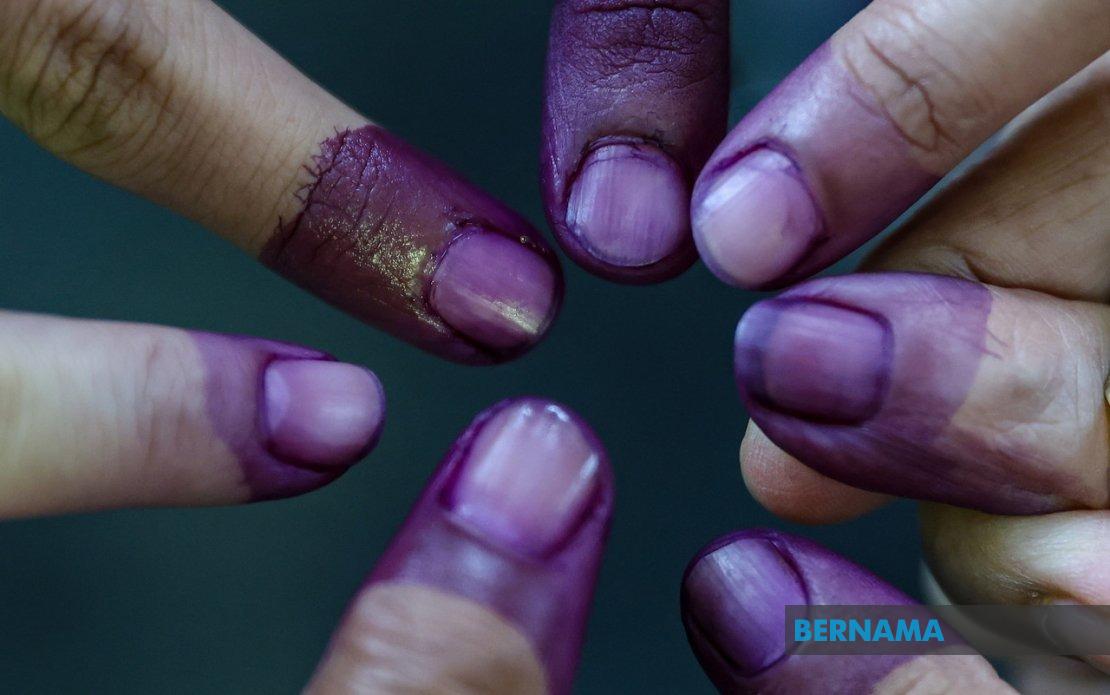
On polling day for Johor's 16th state election, thousands of voters discovered that the purple stain marking their participation in democracy came with an unexpected bonus: discounts at popular restaurants and cafés across the state. The indelible ink, traditionally used as an anti-fraud measure in Malaysian elections, transformed into what vendors termed a "reward pass," recognising and celebrating the civic engagement of those who had cast their ballots.
The promotional campaign saw participation from some of Malaysia's most recognisable food and beverage brands, each offering distinct incentives to verify voter participation. The Coffee Bean & Tea Leaf extended a 20 per cent discount on selected items for the day only, while Krispy Kreme sold its Original Glazed doughnuts at RM2 to those presenting their marked fingers, subject to stock availability. Burger King went further, complementing any set meal purchase with a complimentary Soft Serve Cone ice cream, extending the promotion through the following day. Marrybrown, the local fried chicken chain, added a free piece of their signature fried chicken to any MB Combo purchase upon presentation of the electoral mark.
What began as a practical measure has evolved into a symbol of democratic participation that extends far beyond the polling booth. The indelible ink itself carries significant historical weight in Malaysia's electoral system. The Election Commission first introduced the marking system in 2013 during the Kuala Besut by-election, implementing it as a safeguard against multiple voting and a mechanism to enhance the integrity and transparency of the electoral process. Over the past decade, the practice has become embedded in Malaysian electoral culture, and Tuesday's Johor election demonstrated how commercial enterprises have recognised both the symbolic importance and the practical visibility of this mark.
The social media response to these promotions proved substantial throughout polling day, with voters eagerly sharing photographs of their post-ballot "reward stops" across platforms. The sentiment captured online reflected more than mere appreciation for discounts; voters appeared genuinely pleased that their democratic participation was being acknowledged and celebrated by the broader community. This grassroots commercial recognition, albeit modest in individual value, contributed to an overall festive and community-oriented atmosphere on election day, transforming what might otherwise be routine civic participation into a shared celebratory experience.
Johor's election attracted intense scrutiny from across Malaysia, with more than 2.6 million eligible voters participating in the contest for 56 State Legislative Assembly seats. The electoral competition itself proved multifaceted, with 172 candidates representing diverse political interests. Pakatan Harapan and Barisan Nasional each fielded 56 candidates, demonstrating their status as the primary contenders. Perikatan Nasional presented 33 candidates, while Parti Bersama Malaysia contributed 15 contenders. Smaller players included MUDA with four candidates, Parti Orang Asli Malaysia and Parti Sosialis Malaysia each fielding one candidate, and six independent candidates running without party affiliation.
The commercial initiatives surrounding the indelible ink marks represent a creative engagement strategy by private enterprises, reflecting an understanding that electoral participation warrants recognition and encouragement. For Malaysia's younger voters particularly, the combination of civic responsibility and consumer reward created an incentive framework that legitimises voting as an activity worthy of community celebration. The promotional campaign subtly reinforces the message that electoral engagement carries value extending beyond individual political preference.
These initiatives also carry implications for how Malaysian society conceptualises democratic participation. By converting the technical anti-fraud mechanism into a badge of honour worthy of commercial reward, restaurants and cafés effectively reframed voting from obligation to achievement. This psychological reorientation proves particularly significant in maintaining voter enthusiasm and engagement, especially among demographics historically less inclined toward electoral participation.
The scale of Johor's electoral exercise underscores why such awareness campaigns prove worthwhile for commercial entities. With millions of voters concentrated in a single state over one election day, the opportunity to reach and appeal to such a large engaged audience justifies the promotional expenditure. The strategy also generates substantial organic marketing through social media sharing, as voters naturally documented and publicised their experiences.
Looking forward, the model established in Johor during this election may influence future electoral campaigns and commercial engagement strategies across other Malaysian states. The success of linking consumer benefits to electoral participation demonstrates a viable approach for businesses seeking meaningful engagement with their customer base while simultaneously supporting democratic processes. The indelible ink, originally conceived as an anti-fraud tool, has proven adaptable to multiple social and commercial contexts, each reinforcing its significance within Malaysian electoral culture.

