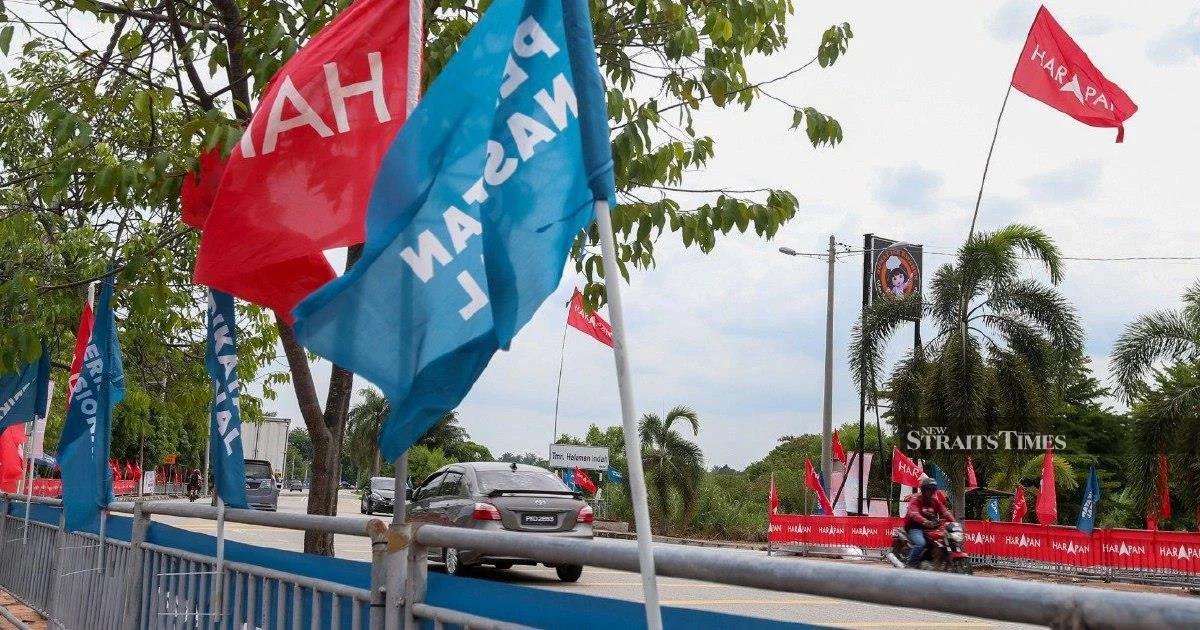
The political machinery in Johor shifted into high gear today as nomination day for the state's 16th general election commenced across its 56 state constituencies. This procedural milestone represents far more than a bureaucratic formality—it signals the official opening of one of Malaysia's most closely watched electoral contests, where competing coalitions will battle for control of a state that has long served as a bellwether for broader political trends within the country.
The simultaneous filing of nominations across all 56 seats underscores the scale and logistical complexity of Johor's electoral process. This morning's activities in Johor Baru and constituencies throughout the state—from the industrial heartlands of the north to the cosmopolitan constituencies of the south—saw candidates formally register their candidacies before returning officers. The process, though routine in technical terms, carries immense political weight given Johor's significance as the second-largest state by voter population and its historical importance as a stronghold for various political movements.
For Malaysian observers, the Johor election carries implications that extend well beyond state-level governance. The state's political composition has shifted dramatically over the past decade, reflecting the broader realignment that has characterized Malaysian politics since 2018. The manner in which voters respond to competing visions presented during this campaign will provide valuable intelligence about sentiment among the peninsula's southern electorate, particularly in constituencies where demographic and economic transitions have reshaped voter priorities.
The nomination process itself involves careful scrutiny of candidates' eligibility and the verification of signatures from proposers and seconders. Each candidate must meet constitutional requirements and demonstrate genuine community backing before being formally registered. This gatekeeping function, while seemingly procedural, occasionally produces drama when candidates are rejected or face last-minute withdrawals—developments that can reshape the competitive landscape within individual constituencies and sometimes trigger broader coalition adjustments.
Johor's 56 constituencies present a diverse electoral terrain that mirrors the state's geographical and demographic complexity. Peninsular Malaysia's southernmost state encompasses urban centres with sophisticated, information-saturated electorates alongside semi-rural and agricultural zones where traditional patronage networks and community ties retain considerable influence. This heterogeneity means that campaign messages and strategies must adapt significantly across different constituencies, requiring parties to maintain sophisticated ground operations capable of addressing localized concerns while maintaining coherent state-level narratives.
The timing of Johor's election carries particular significance within Malaysia's broader electoral calendar. State elections have become increasingly important focal points for testing new campaign strategies, evaluating voter sentiment on specific policy initiatives, and gauging the effectiveness of coalition arrangements. The Johor contest will inevitably serve as a dress rehearsal for various political formations, offering insights into which messaging resonates most effectively and which demographic groups remain persuadable.
Behind today's formal nomination procedures lies months of intensive preparation by political parties. Candidate selection processes have generated internal party dynamics and occasionally public controversy as different factions within coalitions competed for nomination slots. The candidates now officially registered represent not just individual ambitions but also broader factional interests within their respective parties, making the composition of this electoral field consequential for post-election coalition dynamics even before votes are cast.
The election commission's coordination of simultaneous nomination activities across such a large geographical area demonstrates the institutional capacity required to manage Malaysian elections at scale. Returning officers stationed in each constituency must process nominations with precision while maintaining transparency and fairness—a challenging task given the volume of filings and the potential for procedural complications. The success of today's proceedings sets the tone for the administration of the entire electoral process.
As candidates now embark on their official campaign periods, the policy terrain they will traverse encompasses education, healthcare delivery, infrastructure development, and the state's economic direction during a period of significant global uncertainty. Johor's role as an economic engine for Malaysia means that state-level decisions regarding land use, industrial zones, and trade facilitation carry implications for employment and investment patterns across a wider region. Voters will assess not merely partisan loyalty but the demonstrated competence and vision of competing coalitions in managing these complex governance responsibilities.
The race now formally underway will determine which political forces shape Johor's trajectory over the coming term. Media outlets will intensify their coverage of campaign developments, policy announcements, and electoral forecasts. For Malaysian politics observers, the months ahead offer a detailed window into contemporary voter behaviour, coalition effectiveness, and the evolving salience of different political issues across the country's most politically significant states.

