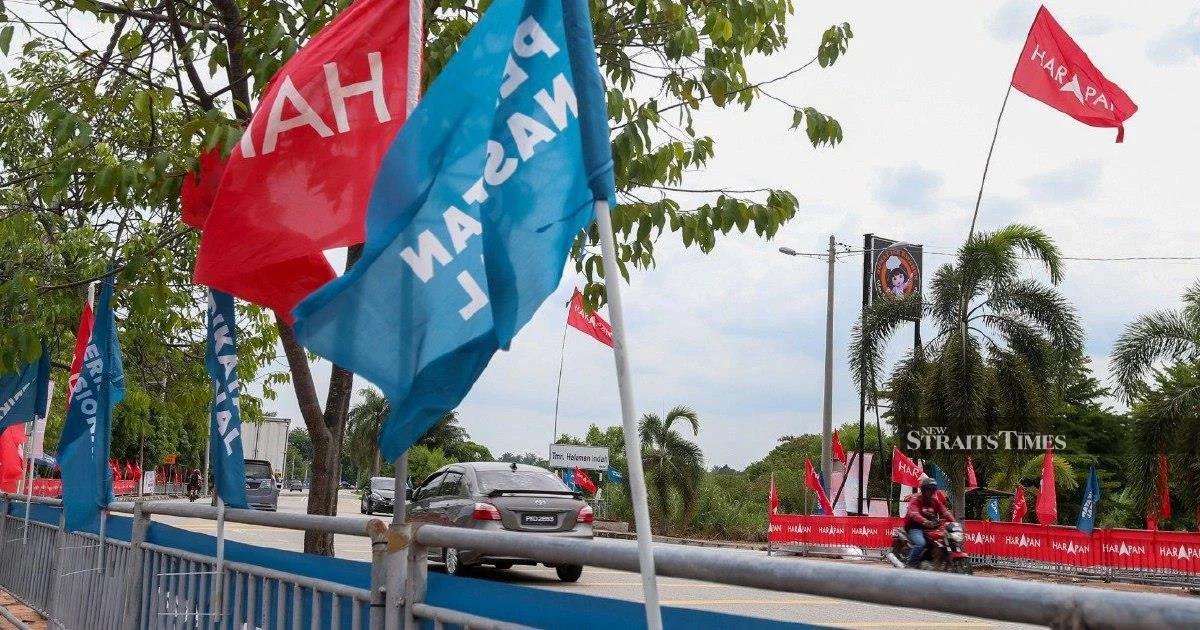
The 16th Johor state election formally commenced today as candidates began filing their nominations across all 56 constituencies in the state. This milestone event signals the start of the formal campaign period and sets the stage for what is expected to be a closely watched electoral contest in one of Malaysia's most politically significant states. The nomination process, which takes place simultaneously across the entire state, represents the official entry point for all aspirants seeking to represent their respective constituencies in the Johor State Assembly.
Johor holds particular importance within Malaysia's political landscape due to its status as the country's most economically developed state outside the federal capital region. With a population exceeding four million people and a diverse economy spanning manufacturing, agriculture, tourism, and services, the state election results could have ripple effects across the broader political landscape. The 56 constituencies encompass both urban areas such as Johor Baru and Kuala Lumpur's southern suburbs, as well as rural and semi-urban districts that represent different demographic and socioeconomic profiles. This diversity means that campaign messaging and political priorities will need to resonate across vastly different voter bases and concerns.
The nomination process, while procedural in nature, carries strategic significance for all participating parties and independent candidates. The formal filing of candidacy papers establishes each contestant's official standing in the election and provides the first concrete indication of party strength and candidate selection strategies. Political analysts will scrutinize the nominations to assess which parties have opted for fresh faces versus incumbent representatives, and how parties have balanced representation across urban and rural areas. These decisions often reflect internal party dynamics and assessments about which constituencies are winnable or require defensive strategies.
For the ruling coalition and opposition blocs, nomination day represents a culmination of weeks or months of internal deliberations regarding candidate selection. The choices made during this period reveal much about party hierarchies, factional alignments, and strategic priorities. In Johor's case, the state has experienced significant political shifts over recent years, with control of the state government changing hands and ongoing competition between Barisan Nasional, Pakatan Harapan, and other political forces. The candidates nominated today will be competing not merely for individual seats but for the mandate to shape Johor's development agenda over the next five years.
The timing and logistics of conducting nomination day simultaneously across 56 constituencies requires substantial coordination among electoral authorities, returning officers, and party machinery. Each constituency must process nominations within prescribed timeframes, verify candidate eligibility, and ensure compliance with electoral regulations. This parallel process across the state underscores the scale and complexity of Johor's electoral exercise, which ranks among the largest state-level elections in Malaysia. The efficient execution of nomination procedures sets the tone for the subsequent campaign period and polling day operations.
For Malaysian voters and observers, nomination day provides the first clear picture of the electoral landscape and the range of choices available. The number of candidates contesting each seat, the quality and profile of nominees, and whether contests are straight fights or multi-cornered battles will shape campaign dynamics. Seats facing intense competition between multiple strong candidates will likely witness more vigorous campaigning and higher voter engagement, while unopposed or relatively one-sided contests may see different dynamics. The nomination results effectively determine the actual choices presented to voters on polling day.
From a broader Southeast Asian perspective, Johor's election holds significance beyond Malaysia's borders. As a major economic hub with substantial cross-border trade and investment ties with Singapore and other regional partners, political stability and continuity in governance matter for the wider region. The election outcome will determine which political forces will guide Johor's future economic policies, infrastructure development, and cross-border cooperation initiatives. International observers and foreign governments often monitor major Malaysian state elections as indicators of domestic political trends and stability.
The campaign period following nomination day will likely witness intense competition across contested constituencies. Political parties will deploy considerable resources to mobilize their voter bases, articulate policy platforms, and distinguish themselves from rivals. Issues such as economic development, education, healthcare, infrastructure, and cost of living are expected to feature prominently in campaign messaging. Each party and candidate will need to address how they plan to address Johor's specific challenges while maintaining the state's position as an economic powerhouse.
The nomination process also highlights the democratic foundations of Malaysia's electoral system. Despite the competitive nature of politics and occasional contentious moments, the formal nomination procedures operate within established legal frameworks and institutional processes. This regularity and orderliness in conducting elections, even amid political rivalry, reflects Malaysia's commitment to democratic governance. Candidates who are nominated today will have equal opportunity to present their cases to voters and compete for public support through lawful and peaceful means.
Looking ahead, the period between nomination day and polling day will be critical for assessing shifting political fortunes and voter sentiment. The campaign will reveal whether existing political alignments remain stable or whether new coalitions and voter movements emerge. For Johor residents, the next phase offers opportunities to engage directly with candidates, understand their visions for the state, and make informed electoral choices. The 56 constituencies will each tell their own stories about local concerns, community aspirations, and the type of representation voters desire.

