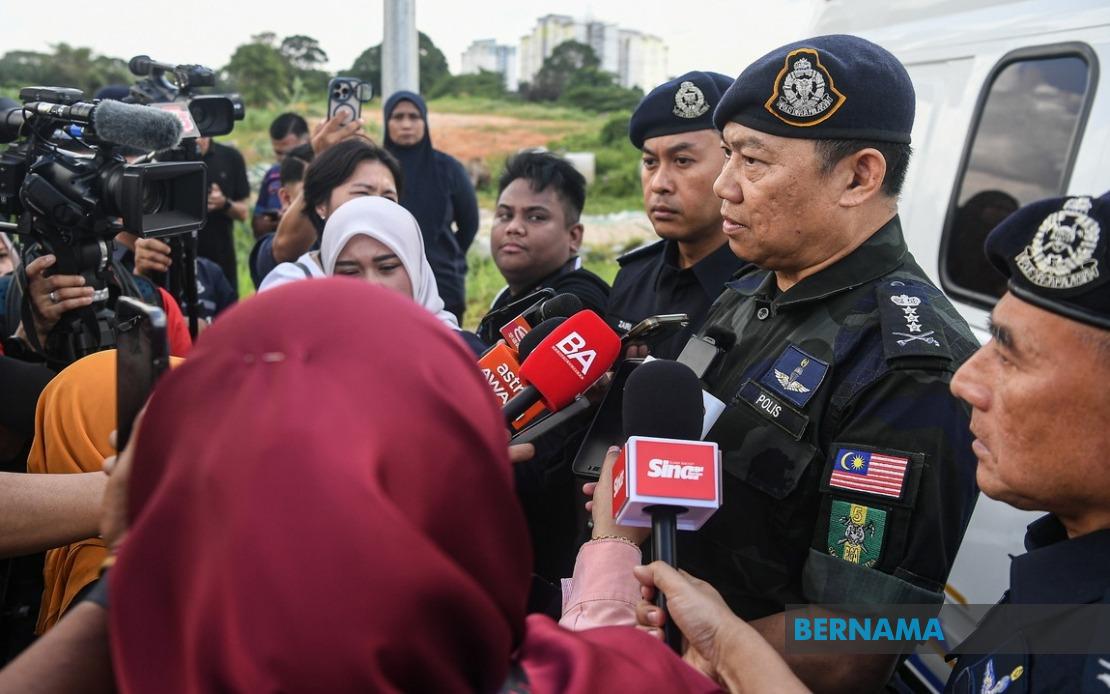
The nomination phase for Johor's 16th state election concluded smoothly on June 27, with all 56 nomination centres operating without disruption or reported incidents. The orderly progression through the day marked a positive start to the electoral process in Malaysia's southern state, reflecting coordination among election authorities, security forces, and participating political organisations.
Johor's police chief Datuk Ab Rahaman Arsad confirmed that no complaints or disturbances had been lodged with law enforcement during the nomination proceedings. This clean record underscored the effectiveness of pre-election security planning and the general willingness of political actors to observe proper conduct during the critical early stages of campaigning. The absence of friction was particularly noteworthy given the intensity of electoral competition and the stakes involved in controlling Malaysia's most economically significant state.
To guarantee an orderly process, authorities deployed 4,832 police officers and personnel across nomination centres statewide. This substantial security presence reflected the seriousness with which law enforcement approached election management, ensuring that candidates and their supporters could participate without fear of intimidation or violence. The deployment also sent a clear signal that breaches of electoral conduct would not be tolerated, potentially discouraging disruptive behaviour before it could materialise.
Within days of the nomination period's conclusion, police had already processed and approved 26 campaign permits, with officials indicating that additional authorisations would be issued throughout the formal campaign phase. These permits regulate the conduct of electoral activities, including rallies, motorcades, and public gatherings. By managing the permitting system, authorities maintain oversight of campaign activities while allowing political parties legitimate channels for voter engagement and messaging.
Datuk Ab Rahaman took the opportunity to remind all contesting parties and candidates of their obligations to conduct campaigns responsibly and in compliance with electoral legislation and regulatory requirements. This directive carried particular weight given police authority to enforce election laws, including provisions against sedition, incitement, and breaches of conduct codes. The reminder served both as guidance and implicit warning that enforcement mechanisms remained active throughout the campaign period.
The police chief further cautioned political actors against any conduct that might compromise public order and safety. Such warnings typically address concerns including vehicular obstruction, amplified noise in residential areas during unauthorised hours, and confrontational interactions between rival campaign teams. By establishing clear expectations early, authorities aimed to prevent escalation of tensions that could spill into violence or broader public disruption.
Johor has witnessed intense electoral competition in recent state elections, reflecting its crucial role in Malaysian politics and the economic importance of controlling the state administration. The state's manufacturing base, port infrastructure, and position as a major population centre make it strategically significant for national political coalitions. Competition for control translates into substantial campaign intensity, which necessitates robust security frameworks to prevent disorder.
The Election Commission subsequently confirmed the electoral timeline, scheduling early voting for July 7 and election day for July 11. This compressed schedule meant that the formal campaign period between nomination and polling day would span approximately two weeks, requiring sustained police vigilance and coordination with electoral officials. The relatively brief campaign window intensifies pressure on political organisations to mobilise supporters efficiently while maintaining orderly conduct.
For Malaysian voters and observers, the smooth nomination process offered encouraging signs of electoral institutional functionality. Election management in emerging democracies frequently confronts challenges ranging from inadequate resources to political interference, yet Johor's nomination proceedings demonstrated organisational capacity and commitment to procedural integrity. This operational success, however, represented merely the opening chapter of the electoral exercise, with campaign conduct and polling day operations still requiring careful management.
The police deployment and official conduct also reflected evolved understanding of election security in the Malaysian context. Rather than viewing security primarily through a lens of controlling opposition or suppressing participation, authorities framed the police presence as facilitating orderly democratic processes accessible to all participants. This approach, while not eliminating concerns about potential bias, suggested professionalisation of election management across security and administrative institutions.
Looking ahead, the extended campaign period would test whether the cooperative atmosphere of nomination day could be sustained. Political passion typically intensifies as polling approaches, potentially testing both the discipline of campaign organisations and the patience of voters. The early success in managing nomination activities provided authorities with baseline confidence but not certainty regarding campaign and polling phases. Sustained attention to maintaining conduct standards would remain essential throughout the remaining electoral schedule.

