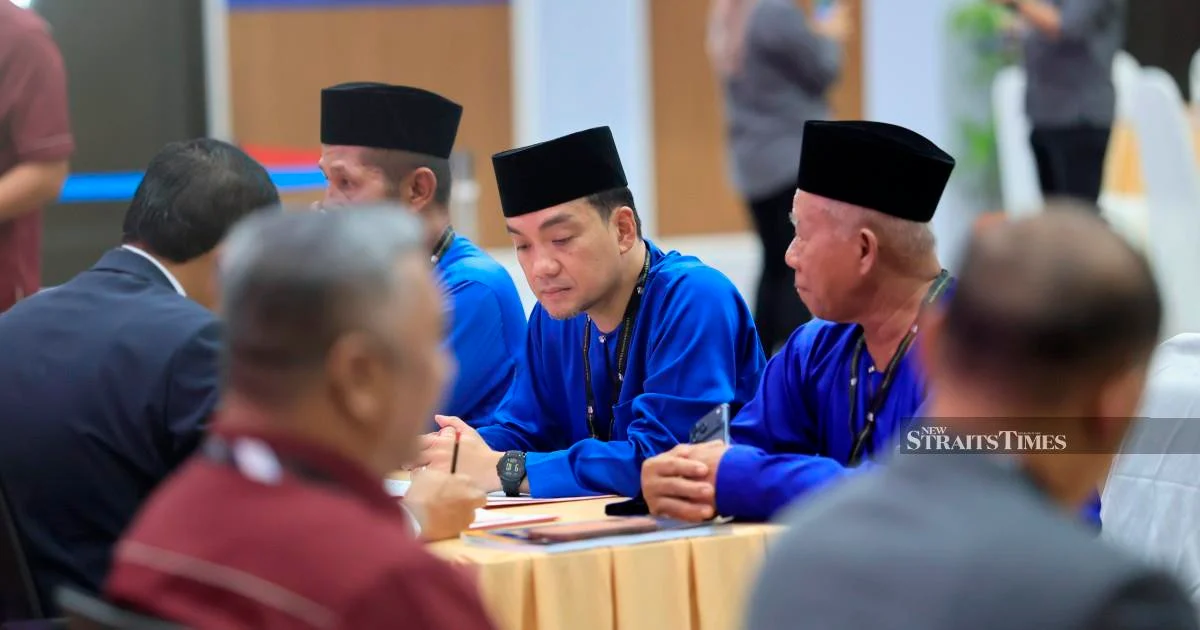
The window for candidates to formally register for the 16th Johor state election has definitively closed, with all 56 nomination centres across the state bringing their operations to an end simultaneously at 10am. The simultaneous shutdown across the dispersed centres represents a critical juncture in the electoral process, marking the transition from the candidate registration phase into the next stages of electoral preparation and campaign activity ahead of polling day.
This coordinated closure reflects the strict administrative requirements governing state elections in Malaysia, where nomination deadlines are firmly fixed to ensure clarity and fairness in the electoral framework. The sequential nature of nomination periods—beginning at a designated opening time and concluding at a predetermined closing moment—is fundamental to the electoral commission's ability to verify candidate eligibility, process nominations uniformly, and prevent last-minute irregularities that could undermine the integrity of the process.
The distribution of 56 nomination centres throughout Johor's diverse constituencies demonstrates the logistical sophistication required to facilitate statewide elections. By establishing numerous collection points rather than a single central venue, electoral authorities ensure that candidates from all regions of the state can access registration facilities without unreasonable travel burdens, thereby promoting democratic participation and accessibility. This geographical spread is particularly significant in Johor given the state's considerable size and the dispersal of its population across urban centres and rural areas.
The conclusion of nominations represents a crucial moment for multiple stakeholders within the political ecosystem. For political parties, the deadline marks the end of their candidate selection processes and the beginning of the formal campaign period. For the electoral commission, the closure provides certainty regarding the number and identities of candidates across all constituencies, information essential for producing official ballot papers and organising the logistics of polling day. For voters, nomination closure signals the crystallisation of their electoral choices and the emergence of the definitive slate of candidates they will evaluate.
Johor's electoral landscape has been a focal point of Malaysian political activity in recent years, with the state representing a significant prize given its economic importance and substantial voter population. The 16th state election follows established patterns of competitive politics in the state, where multiple coalitions and independent candidates typically contest for legislative representation. The completion of the nomination phase now enables political parties and independent candidates to transition into intensive campaigning, mobilising supporters and articulating their policy positions to the electorate.
The precise timing of the 10am closure across all centres underscores the rigorous adherence to electoral procedures that characterises Malaysian elections at both federal and state levels. Election commissions in Malaysia maintain strict protocols regarding nomination periods, recognising that any deviation from announced schedules could create legal disputes, accusations of favouritism, or constitutional challenges. The simultaneous closure prevents scenarios where candidates in disadvantaged locations might claim they lacked adequate opportunity to complete their registrations, thereby protecting the electoral process from procedural controversies.
The nomination period itself typically encompasses several days, providing candidates with a reasonable window to complete administrative requirements, submit prescribed documents, and obtain the necessary sponsorships required by electoral law. During this window, candidates must satisfy specific criteria established by state electoral law, submit nomination papers with appropriate signatures and endorsements, and pay requisite nomination deposits. The consolidation of all these varied applications and verifications across numerous centres requires coordinated effort from electoral officials stationed at each location.
Moving forward from the closure of nominations, the electoral commission will undertake the critical task of verifying all submitted nominations, a process involving examination of candidate eligibility, validation of sponsorship documentation, and confirmation that all regulatory requirements have been satisfied. Any nominations found to be defective may be rejected, potentially resulting in constituencies with fewer candidates than anticipated. This verification phase typically consumes several days and culminates in an official declaration of validated candidates eligible to contest.
The conclusion of nominations also has practical implications for campaign financing and political advertising in Johor. Many jurisdictions impose restrictions on campaign expenditure that become operative once candidate nominations are formalised, requiring political organisations to account for spending with greater scrutiny. Campaign advertisements and activities conducted before nomination closure may be treated differently under electoral law than those undertaken afterward, creating natural divisions in the campaign timeline. The 10am closure therefore represents not merely an administrative milestone but a legally significant demarcation point in the electoral calendar.
For Malaysian voters in Johor, the nomination closure brings the election into sharper focus, transitioning the political discussion from internal party deliberations about candidate selection to public debate about the competing visions and policy proposals advanced by the candidates and coalitions now formally entered into the contest. The state election will provide an important indicator of political sentiment and serve as a barometer of public opinion regarding both state governance and broader national political trends, particularly given the interconnections between state and federal politics in Malaysia's federal system.
The successful completion of the nomination process across all 56 centres demonstrates the administrative capacity of Johor's electoral machinery to coordinate large-scale operations efficiently. This technical competence is essential for the overall success of the electoral exercise, which ultimately depends not only on the political parties and candidates participating but equally on the institutional capacity of the electoral commission to execute complex administrative tasks with precision, impartiality, and adherence to legal requirements.

