The submission window for candidates contesting the 16th Johor State Election has closed following the shutdown of nomination centres statewide at 10am on June 27. The one-hour nomination period, which opened at 9am, saw returning officers announce the conclusion of the filing process at their respective centres across all 56 locations. This procedural completion marks a significant milestone in the electoral calendar, clearing the path for subsequent phases of the election administration.
With nominations now sealed, the Election Commission has shifted focus to compiling and releasing the official roster of eligible candidates. This announcement will prove crucial for political analysts, party strategists, and voters seeking clarity on the competitive landscape across Johor's state assembly seats. The disclosure will also shed light on the intensity of contests in each constituency, revealing whether certain seats face uncontested races or multi-cornered battles that could fragment opposition votes.
The campaign period, spanning 14 days as determined by the Election Commission, commenced immediately after nominations closed and will extend until 11.59pm on July 10. This timeframe provides candidates and political parties a defined opportunity to conduct grassroots outreach, hold rallies, and present their manifestos to the electorate. The campaign duration mirrors standard practice in Malaysian state elections, balancing the need for adequate public engagement with electoral efficiency.
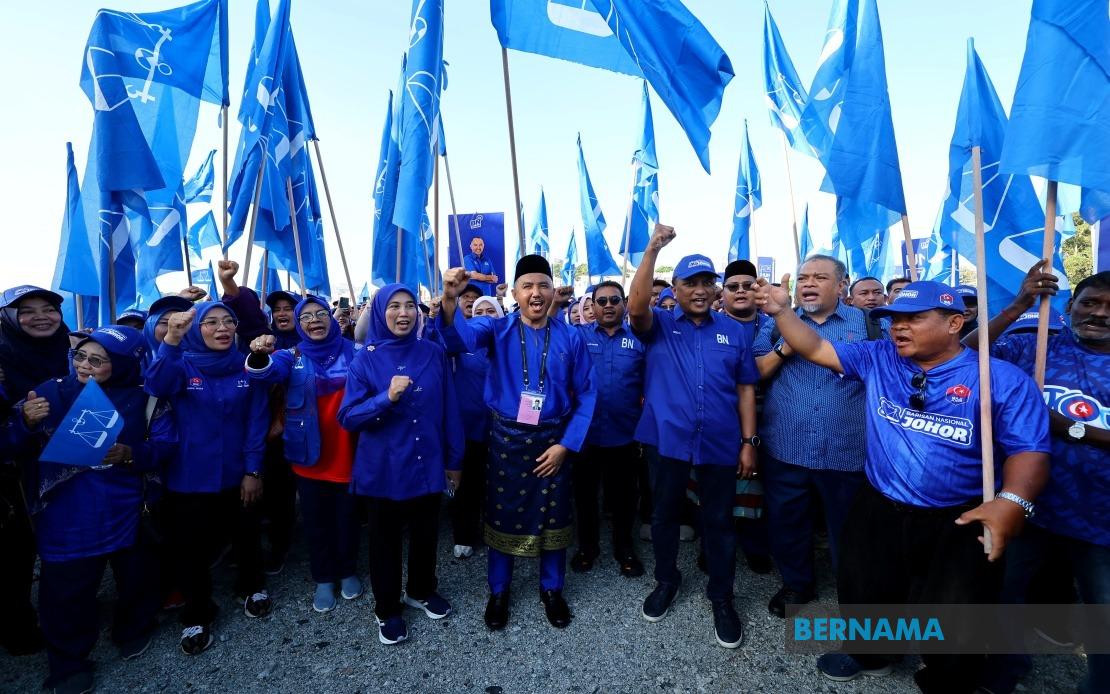
The nomination process itself unfolded without incident at the 56 centres distributed throughout Johor. Party supporters assembled at various venues to accompany their candidates through the formal filing process, generating visible momentum within each political camp. The orderly atmosphere reflected both the professional conduct of electoral officials and the general civility maintained by participating parties, despite the competitive nature of electoral contests.
Security arrangements remained comprehensive throughout the nomination phase, with the Royal Malaysian Police providing oversight while the People's Volunteer Corps offered supplementary support. This multi-layered security presence underscored the Election Commission's commitment to safeguarding the integrity of the nomination process. No incidents of provocation or disorder were reported, indicating that the procedural phase concluded smoothly and without disruption to the democratic exercise.
The Election Commission has designated July 7 for early voting, enabling designated categories of voters such as military and police personnel to cast ballots ahead of the main polling day. The primary polling day itself is scheduled for July 11, providing a compressed but manageable election calendar. These dates were strategically set to maintain momentum in the electoral process while accommodating administrative and security requirements.
The voter rolls for this election encompass a substantial electorate across Johor. A total of 2,727,926 eligible voters are registered to participate, comprising 2,703,175 ordinary voters, 12,041 military personnel and their spouses, and 12,710 police personnel and their spouses. This diverse composition reflects the demographic and occupational spread across Malaysia's second-largest state by population, ensuring that the electoral outcome carries weight representative of Johor's varied communities and interests.
For Malaysian political observers, the Johor state election holds particular significance given the state's economic importance and political influence within the broader national context. As a manufacturing and tourism hub with considerable trading activity via its ports and strategic location adjacent to Singapore, Johor's governance trajectory can influence investor confidence and regional economic performance. The election results may therefore reverberate beyond state-level politics into considerations affecting federal coalition dynamics and policy directions.
The transition from the nomination phase to the campaign period represents a natural inflection point where the contest becomes increasingly visible to the general public. Media coverage typically intensifies during campaign weeks, party advertisements proliferate across digital and traditional platforms, and voter interest peaks as polling day approaches. The 14-day window provides sufficient time for key issues to surface in public discourse, enabling voters to develop informed preferences before marking their ballots on July 11.
Political analysts will scrutinise the candidate lists once released to assess factors including incumbent performance, new entrants, and demographic representation. The distribution of candidates across constituencies will also indicate where parties perceive the strongest opportunities for gains or where defensive efforts are concentrated. Understanding these strategic deployments offers insight into party assessments of electoral viability in various regions within Johor.
As the election machinery progresses into its high-visibility phase, attention will centre on campaign messaging, candidate performance during public forums and debates, and shifting voter sentiment as documented through opinion research. The compressed campaign timeline means that parties must efficiently communicate their policy positions and differentiate themselves from competitors. For voters, the coming weeks provide the opportunity to evaluate candidates' credentials, vision for state development, and alignment with their own priorities regarding education, healthcare, infrastructure, and economic opportunities.

