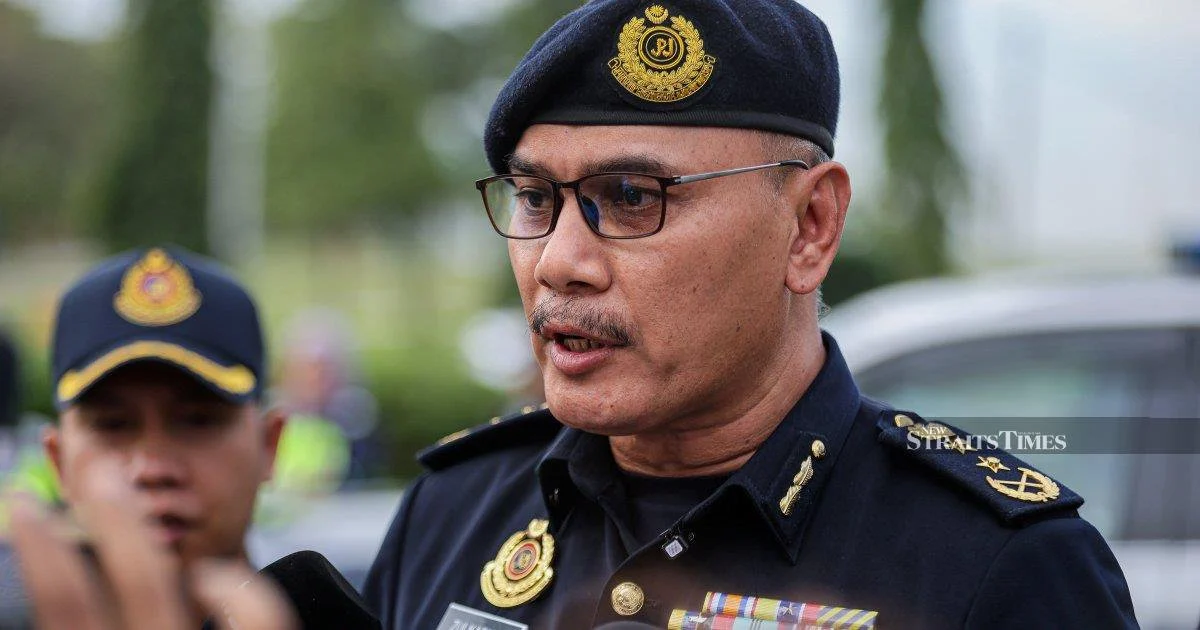
The Johor Road Transport Department has initiated enforcement action against motorcycle riders discovered operating without helmets during the recent state election campaign. Officials issued investigation notices to offenders caught flouting mandatory safety requirements, reflecting the department's commitment to maintaining road safety standards even during politically active periods.
The campaign period, typically marked by increased public gatherings and processions, often witnesses a rise in traffic violations as supporters travel between campaign venues. Riding without a helmet remains one of the most frequently breached traffic regulations in Malaysia, despite decades of public awareness campaigns highlighting the life-saving importance of this simple protective measure. The RTD's decision to pursue investigation notices during the Johor campaign demonstrates that enforcement does not pause for electoral activity.
Helmet usage represents a fundamental safety requirement under Malaysian traffic law, with non-compliance carrying penalties ranging from fines to license points. The regulation exists because helmets reduce the risk of serious head injuries and fatalities by approximately 70 percent in motorcycle accidents. During election campaigns, when roads experience heavier traffic flows and riders may prioritize speed or convenience over safety, the risk of accidents often escalates. The RTD's proactive stance during this period serves as a timely reminder that road safety obligations remain immutable regardless of political circumstances.
Johor, as Malaysia's third-largest state by population, faces persistent challenges in motorcycle safety compliance. The two-wheeled vehicle represents the primary mode of transport for many residents, making safety enforcement particularly critical from a public health perspective. Investigation notices issued during the campaign period indicate the RTD employed standard surveillance and enforcement protocols, potentially using fixed camera systems or mobile patrols at high-traffic areas where campaign activities concentrated.
The investigation notice process typically requires riders to report to RTD offices and provide documentation or statements regarding the violation. This administrative approach aims to establish the facts surrounding each incident before determining appropriate penalties. For first-time offenders, the process may result in warnings or counselling sessions. Repeat violators or those with aggravating circumstances face harsher consequences, including monetary fines and demerit points affecting license status.
Campaign-period enforcement sends an important message to the riding community that safety standards apply universally and continuously. Election campaigns often attract participants from diverse backgrounds and skill levels, including younger riders who may underestimate accident risks or older riders whose safety habits have deteriorated over time. The RTD's intervention during this high-profile period ensures that increased visibility and congestion do not create a compliance vacuum.
From a regional perspective, Malaysia's approach to campaign-period traffic enforcement aligns with best practices observed in other Southeast Asian democracies. Indonesia and Thailand similarly maintain road safety initiatives throughout electoral cycles, recognizing that campaigns represent heightened-risk periods for traffic violations. The Johor RTD's actions reflect this regional norm of treating road safety as non-negotiable, separate from other considerations.
The investigation notices represent one component of a broader enforcement strategy encompassing speed violations, dangerous riding, and vehicle documentation issues. During campaign periods, authorities typically observe increases across multiple violation categories as attention to personal safety temporarily takes secondary importance to participation in electoral activity. By systematically processing helmet violations, the RTD prevents normalization of this breach and maintains the legal and cultural framework supporting helmet usage.
Public response to campaign-period enforcement varies considerably. Some riders express frustration that enforcement continues during politically sensitive times, viewing it as excessive regulation. Others recognize that concentrated enforcement during campaigns addresses genuine public safety concerns emerging from altered traffic patterns and increased rider populations. The RTD's approach essentially states that whatever the political climate, the physics of motorcycle accidents and the protective value of helmets remain unchanged.
Looking forward, the investigation notices issued during the Johor campaign will feed into the RTD's broader traffic safety data and enforcement metrics. Analysis of violation patterns during electoral periods contributes to understanding how temporary demographic shifts and behavioral changes affect road safety outcomes. This information informs future campaign-period planning and helps authorities anticipate enforcement needs during subsequent elections or major public events.
For motorcycle riders across Malaysia, particularly in Johor, the RTD's action serves as a practical reinforcement that helmet compliance represents a non-negotiable safety requirement rather than optional practice. The visibility of enforcement during high-profile events like election campaigns increases awareness and encourages compliance among populations who might otherwise discount safety regulations. While investigation notices impose administrative burdens on violators, they ultimately protect riders' capacity to return home safely to their families, representing a worthwhile intervention in the ongoing effort to reduce preventable motorcycle accident injuries and deaths.

