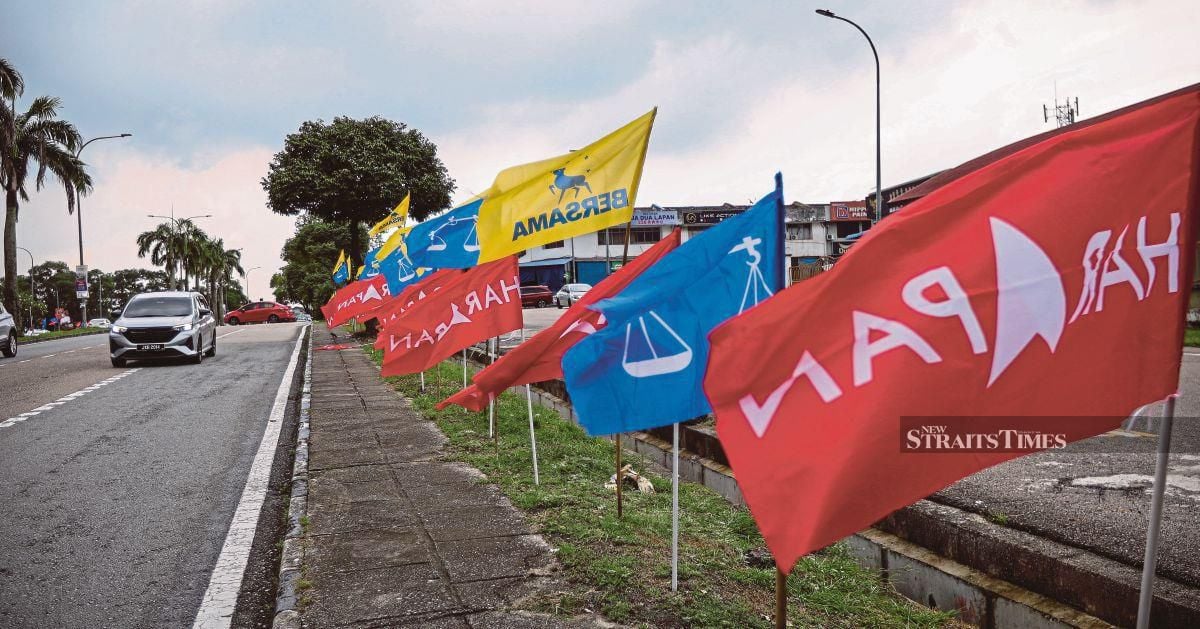
Law enforcement in Johor has initiated formal investigations into 18 separate cases of suspected electoral violations, proceeding from a substantial volume of public complaints lodged throughout the most recent state election campaign period. The investigations stem from 56 reports submitted to police, with allegations spanning the entire campaign duration that commenced on July 27 and concluded recently.
The opening of these investigation papers represents a standard response to complaints during an election cycle, though the specific nature of the alleged offences remains a significant concern for electoral administrators. Malaysia's election framework relies heavily on public vigilance and police responsiveness to maintain the integrity of the democratic process, and the relatively high number of complaints suggests voters and observers remained alert to potential irregularities during the Johor campaign.
Election offences in Malaysia can encompass a wide range of violations, from breaches of campaign financing regulations and improper campaigning methods to intimidation of voters or manipulation of electoral procedures. The distinction between the 56 reports received and the 18 papers opened for investigation suggests that police conducted preliminary assessments to distinguish between substantive allegations requiring formal investigation and complaints lacking sufficient evidence or falling outside police jurisdiction.
The Johor state election represents a significant electoral event within Malaysia's constitutional framework, as state-level contests serve as important barometers of political sentiment and govern the allocation of resources and policy direction at the regional level. The state's electoral dynamics carry implications beyond Johor itself, influencing calculations at the federal level and demonstrating how voter preferences evolve across different regions and demographic groups.
The police response to election-related complaints reflects broader institutional commitment to upholding electoral standards, though critics have sometimes questioned whether enforcement remains sufficiently robust and impartial across all political parties and candidates. The opening of investigation papers does not indicate guilt or wrongdoing on any party's part; rather, it signals that authorities have determined sufficient grounds exist to warrant formal inquiry into the alleged violations.
Malaysian election law prohibits various conduct during campaign periods, including unlawful campaign financing, improper use of government resources for political purposes, and coercive or threatening behaviour directed at voters. The specific offences under investigation in Johor would likely fall into these established categories, though police have not publicly detailed the nature of individual cases or the political affiliations of those potentially implicated.
The election campaign period represents a particularly sensitive phase of Malaysia's electoral cycle, as candidates and political parties intensify their outreach efforts and public messaging escalates. During these periods, the potential for violations increases, creating additional demand on law enforcement resources and heightening public scrutiny of police neutrality and effectiveness.
For Malaysian voters and observers, the existence of investigation procedures provides some assurance that electoral misconduct will not occur with complete impunity. However, the ultimate impact of these investigations depends significantly on whether police investigations proceed swiftly and fairly, whether evidence meets evidentiary standards for prosecution, and whether the outcome of any resulting cases receives public confidence. The timeliness and transparency of the investigative process matter considerably for maintaining faith in electoral institutions.
The 18 papers opened for investigation in Johor occur within a broader Southeast Asian context where electoral integrity concerns have prompted countries across the region to strengthen oversight mechanisms and enforcement procedures. Malaysia's approach to investigating election-related complaints reflects both the importance the country places on democratic processes and the challenges inherent in investigating allegations that frequently involve political actors with significant resources and influence.
Moving forward, the resolution of these 18 investigation papers will likely inform discussions about election administration in future electoral cycles. Outcomes that convincingly demonstrate fair investigation and appropriate enforcement, regardless of which political parties or candidates face scrutiny, will strengthen public confidence in Malaysia's electoral system. Conversely, inconsistent or perceived politically motivated handling of investigations could undermine confidence in the impartiality of the electoral process.
For Johor specifically, the investigation outcomes may also shape public discourse around governance quality and institutional accountability heading into subsequent electoral contests. The state's electoral machinery will face continued demands to demonstrate that it can manage campaign periods in ways that protect democratic principles while allowing robust political competition and free expression of voter preferences.

