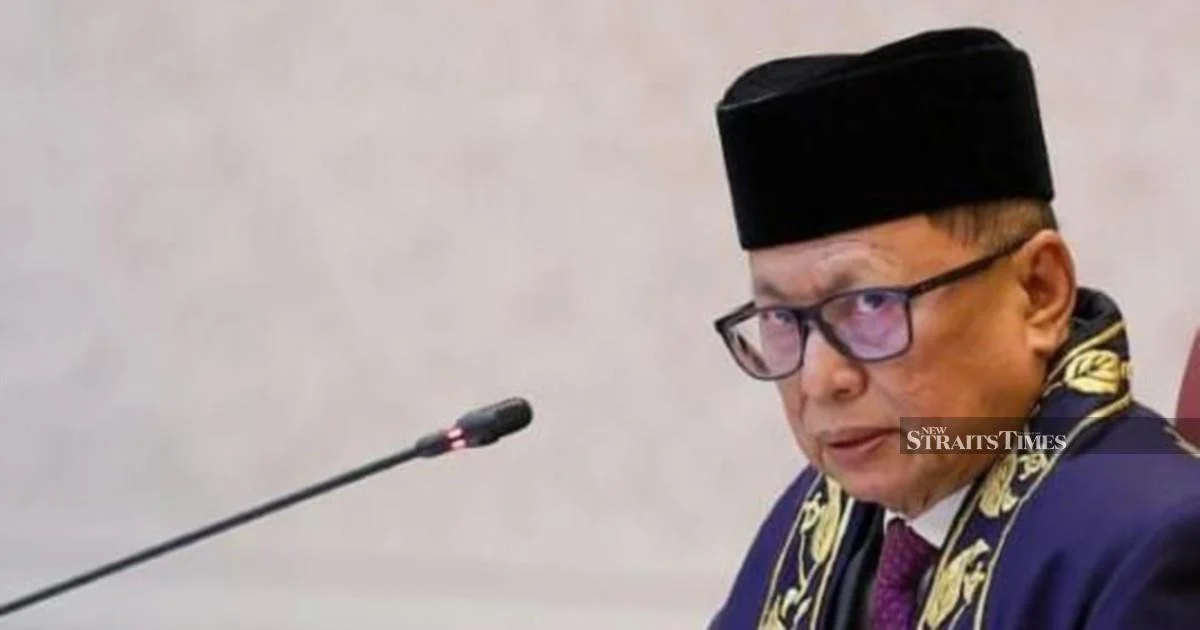
The opposition's Johor chapter has thrown down a gauntlet to a prominent former Umno insider, demanding he substantiate claims he has made regarding royal meddling in the state's political affairs. Speaking from Pontian, representatives of PKR have cast doubt on the allegations aired by Datuk Dr Mohd Puad Zarkashi, a former member of Umno's supreme council, insisting he produce verifiable proof before making such sensitive accusations in public discourse.
This escalation reflects the combustible nature of claims touching on the monarchy's role in governance, a topic that typically invokes strong reactions across Malaysia's political spectrum. The palace holds significant symbolic and constitutional authority in Johor, where the Sultan serves as both ceremonial head of state and custodian of Islamic matters. Any suggestion of inappropriate intervention in day-to-day politics risks inflaming sensitivities and raising questions about the proper boundaries between monarchy and elected governance.
Puad's assertions appear to have surfaced amid broader tensions within Johor's ruling coalition and opposition camps. The state has experienced considerable political turbulence in recent years, with shifting alliances and competing power bases creating an environment where figures can readily invoke institutional grievances as explanatory frames for political outcomes. By challenging Puad to produce documentation or witnesses, PKR is attempting to shift the burden of proof onto the accuser and potentially discredit the broader narrative he is constructing.
The timing of this public confrontation is significant. Johor remains a battleground state where no single political force commands undisputed dominance, making control of the narrative particularly valuable. When influential former officials speak about palace involvement in politics, they carry credibility that can shape perception even without hard evidence. PKR's response suggests the party recognises this threat to its political positioning and is keen to neutralise it early rather than allow such claims to accumulate unchallenged.
Datuk Dr Mohd Puad's standing as a former supreme council member gives his comments weight within certain circles, particularly among Umno loyalists and traditionalist voices. His departure from formal party structures may also explain his willingness to articulate criticisms that active politicians might avoid. However, his outsider status also means he lacks the institutional protections and amplification mechanisms that serving leaders enjoy, making him vulnerable to counter-attacks from multiple quarters.
For Malaysian politics more broadly, this episode highlights an uncomfortable reality: allegations involving the monarchy often go unchallenged in conventional forums because raising them publicly is considered risky. Palace matters typically remain within closed-door conversations among elites rather than becoming subjects of direct public debate. By explicitly challenging Puad, PKR is testing whether the boundaries around such discourse are shifting, or whether institutional sensitivities still constrain open discussion.
The state's history provides relevant context. Johor has seen numerous instances where political actors have invoked royal preferences to explain electoral outcomes or policy decisions, though rarely with transparent evidence. The sultanate has generally maintained official neutrality in party politics while individual sultans and their immediate circles have occasionally displayed private sympathies. Separating genuine palace interference from politician-attributed claims has consistently proven difficult.
PKR's assertiveness may also reflect confidence in its own political standing or frustration at narratives it sees as undermining its legitimacy. The party has experienced growth in Johor in recent years and likely views unsubstantiated claims of palace involvement as threats to its narrative of having won support through genuine ground-level mobilisation and policy positioning. By forcing Puad into a defensive posture, PKR reclaims some control over how the political landscape is perceived.
The broader implications extend beyond immediate party competition. Malaysia's constitutional framework requires delicate navigation of royal prerogatives and democratic accountability. When serious claims about palace involvement in partisan politics circulate without verification, they risk eroding public confidence in either the monarchy's propriety or democratic institutions' independence, depending on which version citizens believe. Clarity serves all stakeholders better than rumour.
Whether Puad responds directly to PKR's challenge remains to be seen. Former officials sometimes choose dignified silence over prolonged public disputes, particularly when the subject touches sensitive institutional matters. Alternatively, he might leverage sympathetic media outlets or close allies to amplify his position without direct engagement. The trajectory of this exchange will likely influence whether similar claims surface more openly in future political debates or whether a cautionary message discourages further public ventilation.
Ultimately, this confrontation reflects the extent to which Johor's political elite remain locked in competition for advantage using whatever narrative tools available. The demand for evidence is entirely reasonable, yet the response—or lack thereof—will speak volumes about whether Johor politics is moving toward greater transparency or remaining bound by traditional conventions that privilege discretion over disclosure.

