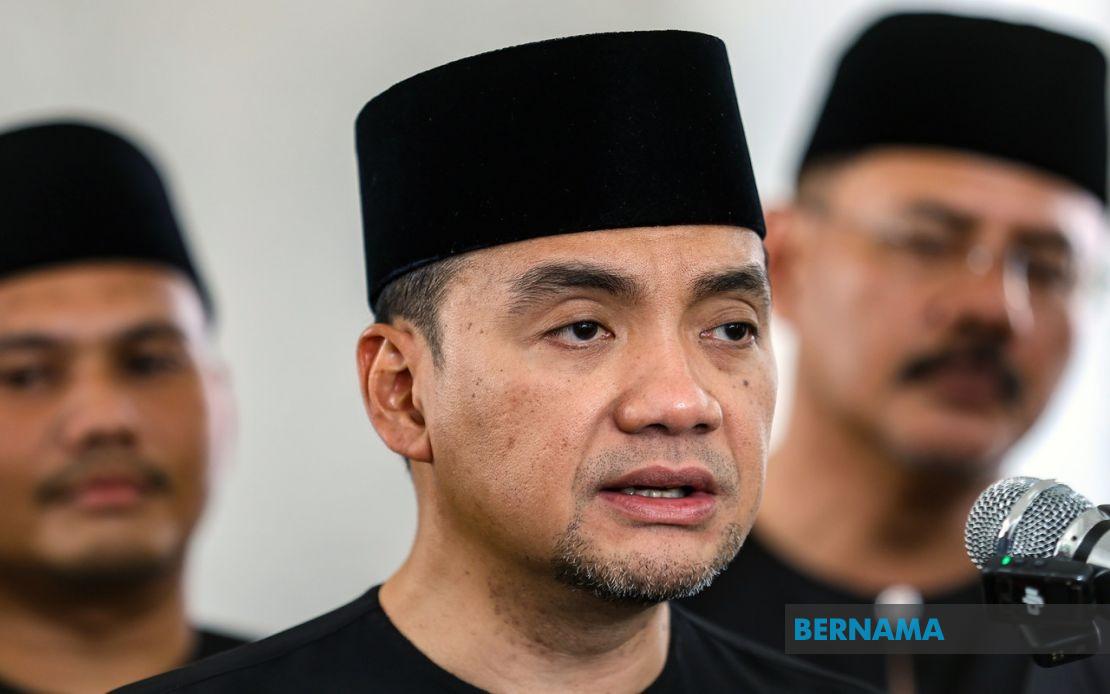
Johor has unveiled a fresh effort to reinvigorate religious observance across its mosques through the introduction of the Semarak Maghrib and Isyak programme, a state-wide initiative designed to nurture greater participation in evening congregational prayers. Announced by Johor Menteri Besar Datuk Onn Hafiz Ghazi, the scheme represents an extension of earlier efforts to promote dawn prayer attendance and signals the state administration's commitment to positioning mosques as vibrant hubs of worship, education, and community cohesion.
The programme aligns with a campaign promise made during the 16th Johor state election and reflects the government's mandate to deepen Islamic practice among residents. By deliberately targeting the Maghrib and Isyak prayer times—the sunset and night prayers respectively—authorities aim to sustain momentum in mosque engagement beyond the early morning Subuh prayers that had previously been the focus of state promotion drives. This strategic sequencing indicates a coordinated approach to building consistent habits of congregational worship throughout the day.
Onn Hafiz framed the initiative within a broader vision of enhancing syiar Islam, the public expression and propagation of Islamic values and teachings, as a pathway toward building what he characterised as a progressive Johor grounded in Quranic and Prophetic traditions. The phasing from Subuh to evening prayers suggests recognition that sustainable religious participation requires multiple entry points and reinforcement throughout the daily prayer cycle, rather than reliance on a single prayer time to anchor community observance.
The inaugural event took place at Masjid Jamek As-Syakirin in Bukit Saujana, establishing a template for how the programme will function in practice. The ceremony incorporated a religious lecture exploring the concept of intention in Islamic jurisprudence, delivered by the Johor Bahru district kadi Mohd Zaini Mohd Salleh, alongside recitation of Surah Al-Mulk. This structure—combining prayer with educational components—appears designed to add substantive religious value beyond mere attendance encouragement, potentially appealing to worshippers seeking deeper spiritual engagement.
For Malaysian readers, this development carries implications beyond Johor's borders. The state has long served as a testing ground for religious policy innovations, particularly under administrations focused on integrating Islamic governance with development narratives. The Semarak programme echoes similar initiatives elsewhere in the Muslim-majority nation and reflects a broader regional trend of governments instrumentalising mosque infrastructure to address concerns about weakening religious observance, particularly among younger generations increasingly drawn to secular lifestyles and digital engagement.
The menteri besar's public appeal for residents to support the initiative through active mosque participation underscores an implicit acknowledgement that government programmes alone cannot sustain religious practice—sustained community ownership remains essential. His invocation of blessings and mercy in connection with mosque attendance illustrates how religious messaging is woven into governance rhetoric, a characteristic feature of Malaysian political discourse that seeks to legitimise state action through Islamic framing.
The Semarak Maghrib and Isyak scheme also reflects demographic and social realities in urban Malaysian communities. Evening prayers, traditionally attended by older congregants or those with flexibility in work schedules, have faced declining participation as modern employment patterns and urban lifestyles create barriers to consistent attendance. By making evening congregational prayers a focus of state support, authorities are attempting to reimagine the mosque's relevance in contemporary life, positioning it not as a peripheral institution but as central to social cohesion and personal fulfilment.
Comparison with similar programmes in other Malaysian states and Singapore reveals divergent approaches to religious institution strengthening. While some jurisdictions emphasise youth outreach and digital integration, Johor's emphasis on congregational prayer density suggests a more traditional, attendance-focused strategy. Whether this approach proves effective in generating sustained participation—particularly among working professionals and younger adults—remains to be seen, as such programmes often experience initial enthusiasm followed by normalisation of attendance levels.
The incorporation of Hadith study and Quranic recitation into the programme structure indicates attempts to address the holistic religious development of participants, moving beyond bare attendance toward knowledge acquisition and spiritual deepening. This layered approach may be more likely to retain participants than initiatives offering purely logistical support for prayer attendance, though effectiveness depends on the quality and consistency of educational components across participating mosques.
Looking forward, the Semarak Maghrib and Isyak programme will likely serve as a bellwether for how well government initiatives can reshape religious practice in an era of competing demands on citizens' time and attention. Its success or challenges may inform similar efforts in other states seeking to strengthen mosque-centred religiosity. For the Johor government, the programme represents a tangible manifestation of election pledges, allowing officials to demonstrate responsiveness to voter expectations regarding Islamic governance and community strengthening. Whether Malaysian voters and residents perceive such initiatives as meaningful contributions to social cohesion or as performative religious engagement will significantly influence their political implications in future electoral cycles.

