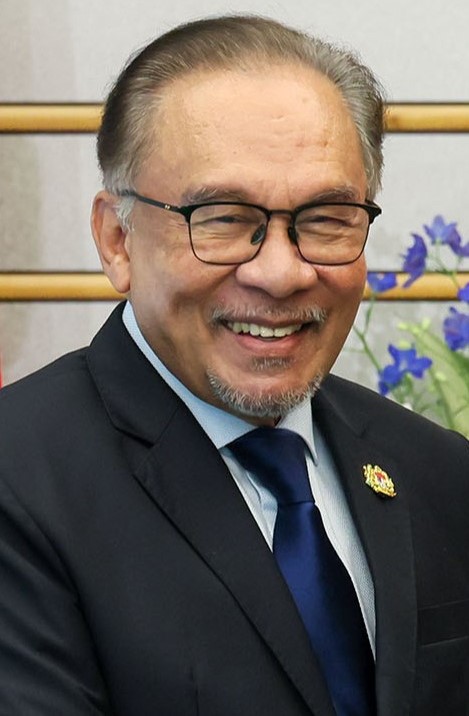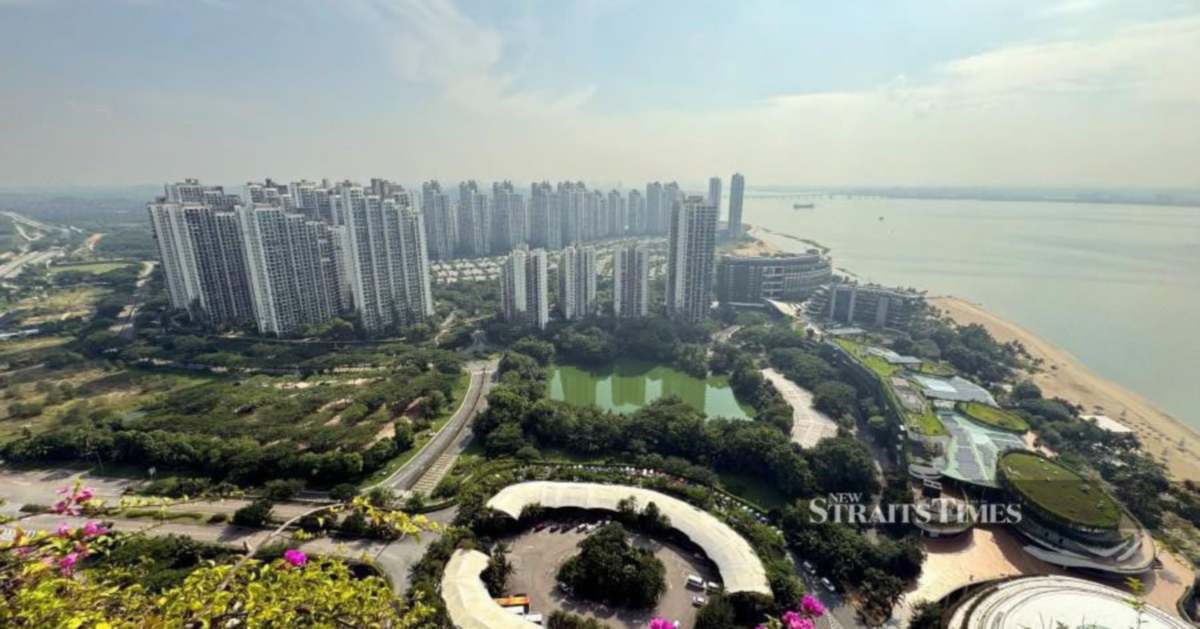
Pakatan Harapan (PH) has firmly rejected assertions that Johor languishes under inadequate federal investment, countering with evidence that the state has enjoyed elevated development spending under Prime Minister Datuk Seri Anwar Ibrahim's government. The coalition's rebuttal marks an attempt to address growing criticism from opposition quarters and sceptical residents questioning whether Johor, historically significant as the seat of the Sultanate and an economic powerhouse, receives equitable treatment from Kuala Lumpur's decision-makers.
The RM14.6 billion figure referenced by PH officials represents the cumulative allocation directed toward Johor across multiple federal programmes and infrastructure projects during the current administration's tenure. This quantum of investment encompasses diverse sectors ranging from transportation networks and urban development to education and health infrastructure. The breadth of these allocations underscores an approach designed to address multiple dimensions of state development simultaneously rather than concentrating resources in narrow areas.
For Malaysian observers and policymakers, the Johor funding question carries broader significance beyond state-level politics. The state functions as a critical economic hub, hosting the Port of Tanjung Pelepas, major manufacturing clusters, and serving as a crucial gateway to Singapore. Any perception of federal resource disparity could undermine business confidence and investment flows, particularly among foreign investors scrutinising governmental consistency and fairness across regions. The PH coalition appears acutely aware that dismissing such concerns carries reputational costs.
The controversy surrounding Johor's allocation reflects deeper anxieties within Malaysian political discourse. Opposition parties and state-level critics have occasionally weaponised claims of regional favouritism or neglect, suggesting that ruling coalitions direct disproportionate resources toward politically sympathetic areas while shortchanging opposition-held territories. This narrative, whether substantiated or otherwise, resonates powerfully with constituents feeling left behind by development initiatives. The PH response directly challenges this framing by presenting concrete figures.
Understanding the composition of these allocations proves essential for evaluating whether the spending addresses priority sectors identified by Johor's state government and residents. Infrastructure projects targeting congestion, affordable housing initiatives addressing urbanisation pressures, and skills development programmes supporting workforce transitions into higher-value industries would demonstrate investment aligned with state needs. Conversely, allocations concentrated in politically symbolic projects without tangible livelihood improvements might validate complaints of inadequate federal commitment.
The timing of PH's clarification also matters contextually. Federal-state relations in Malaysia have historically featured tension between ruling coalitions and opposition-administered territories, with allocation decisions occasionally reflecting partisan considerations. Johor, currently governed by a coalition including Umno, presents a complicated political landscape where state and federal governments belong to different blocs. Within this framework, PH's public commitment to substantial Johor funding carries signals about its willingness to transcend partisan boundaries in resource distribution—or alternatively, about its confidence that current allocation levels prove politically defensible.
Regional analysts tracking Malaysian political developments note that state-level grievances increasingly influence electoral outcomes and government legitimacy. Peninsular Malaysia's smaller states and constituencies have demonstrated growing willingness to punish federal administrations perceived as indifferent to local concerns. Johor's substantial population and strategic importance amplify the political consequences of any sustained narrative portraying it as neglected. The PH coalition's explicit defence of its spending record suggests awareness of these electoral dynamics.
Transparency regarding how these allocations translate into completed projects remains crucial. Residents and observers distinguished between committed funds and actual disbursements, between announced projects and those reaching implementation stages. If significant portions of allocated resources remain unspent or projects stall at preliminary phases, the headline figure of RM14.6 billion loses persuasive power regardless of its technical accuracy. Public accountability mechanisms and regular progress reporting would strengthen claims of genuine commitment to state development.
The broader Southeast Asian context adds another interpretive layer. Neighbouring Thailand and Indonesia grapple with analogous regional equity questions, with provincial populations questioning whether capital-city governments fairly distribute development resources. Malaysia's relatively sophisticated federal structure and democratic institutions suggest capacity for more equitable arrangements than some regional counterparts. However, sustained perceptions of unfairness could gradually erode institutional legitimacy, particularly if opposition voices successfully frame allocations as insufficient.
Moving forward, Johor's development trajectory will likely depend less on aggregate spending figures and more on whether citizens observe tangible improvements in infrastructure quality, employment opportunities, and public services. Federal allocations transformed into functioning schools, efficiently-operated transport systems, and competitive industrial zones resonate more powerfully with electorates than budgetary announcements. PH's investment claims invite scrutiny through this practical lens. The administration's credibility on Johor development will hinge upon demonstrated outcomes rather than budgetary commitments alone, establishing a benchmark against which future electoral assessments will be measured.